Accountability and Ownership: The Cornerstones of Business Success

Key Takeaways
- Accountability and ownership create a culture where employees take responsibility for outcomes, not just tasks.
- Organizations that encourage ownership see stronger collaboration, faster decision making, and better overall performance.
- A lack of accountability often leads to blame shifting, delays, and reduced trust within teams.
- Clear expectations, communication, and leadership example are key to building a culture of ownership.
- When employees feel responsible for results, they are more proactive, engaged, and aligned with business goals.
Accountability and ownership are more than just workplace buzzwords. They are the backbone of sustainable business success. This article is the final instalment in our productivity series, where we’ve explored topics such as redefining performance and eliminating fauxductivity. If you missed any of the earlier articles, you can find the full series here.
In today’s competitive landscape, where companies must be agile and efficient, fostering accountability and ownership is no longer optional. A business without these values risks falling into a blame culture where mistakes are hidden, responsibilities are unclear, and growth is stifled. Similarly, without ownership, employees are less likely to take initiative, innovate, or drive results.
This article explores why accountability and ownership matter, how they transform businesses, and the mindset shifts needed to embed these values into your organisation.

Why Accountability and Ownership Matter in Business
Accountability ensures that individuals are answerable for their actions and results, while ownership reflects a proactive commitment to tasks and outcomes. Together, these values have a profound impact on an organisation’s performance:
- Improved Decision-Making: Employees who take ownership approach decisions thoughtfully, weighing risks and benefits. Accountability ensures these decisions are aligned with company goals.
- Greater Team Collaboration: When everyone is accountable, finger-pointing decreases, and teams focus on solving problems together.
- Boosted Productivity: Ownership drives proactive behaviour, with employees anticipating challenges and addressing them early.
- Risk Mitigation: Employees who take ownership naturally work to minimise risks. By identifying potential problems early, they ensure smoother operations and reduce the time and resources spent on damage control.
- Customer Satisfaction: Employees who own their roles take pride in delivering quality, whether it’s a product, service, or interaction. This directly impacts customer loyalty and brand reputation.
“Individual commitment to a group effort is what makes a team work, a company work, a society work.”
The Human Impact of Accountability and Ownership
An employee who is accountable and takes ownership doesn’t just focus on completing tasks to earn their pay cheque. They look beyond the immediate job at hand and consider the ripple effects of their actions.
For instance, they think about how their work impacts their team’s ability to meet deadlines, how it contributes to the company’s goals, and how it enhances the customer experience. They also work to minimise risks, knowing that fewer mistakes mean smoother workflows and less time spent fixing avoidable issues. Such employees proactively seek ways to make processes more efficient, improve outcomes, and drive innovation.
This mindset creates a culture where every individual feels connected to the organisation’s bigger picture, making accountability and ownership not just personal values, but organisational strengths.
Beyond business metrics, accountability and ownership deeply affect employees on a personal level:
- Increased Engagement: Employees feel empowered and trusted when they have ownership over their work. They’re more motivated to excel when they know their efforts are recognised.
- Career Growth: Accountability drives self-awareness, encouraging employees to develop their skills and prepare for leadership roles.
- Better Workplace Relationships: Transparency and responsibility reduce conflict, foster trust, and create a more collaborative environment.
- Efficient Use of Resources: By minimising risks, employees reduce the chances of costly mistakes, freeing up time and resources for more meaningful work.
Employees thrive when they are both empowered to take initiative and held accountable for their contributions.
A Tale of Two Payroll Professionals in HR
Imagine two payroll professionals in the HR department, both responsible for ensuring employees are paid accurately and on time every month.
Employee A: The Accountable, Ownership-Driven Professional
This employee doesn’t just process payroll; they take ownership of the entire payroll cycle. If discrepancies arise, they promptly communicate with managers to clarify information. They follow up with finance to ensure payments are processed on time, making it their mission to meet deadlines and maintain employee trust. Anticipating potential issues, they double-check calculations and address errors proactively, knowing that a smooth payroll process impacts the entire organisation’s morale.
Employee B: The Minimalist Professional
This employee focuses narrowly on completing their part of the payroll process, avoiding anything they deem "outside their scope." When employees complain about calculation errors, they blame the managers for providing incorrect information, washing their hands of any responsibility. If payroll is delayed, they point fingers at finance, failing to follow up or assist in resolving the issue. Instead of taking ownership, they shift blame whenever problems arise, leaving gaps that cause frustration and inefficiency.
The Difference?
Employee A’s approach ensures risks are minimised, deadlines are consistently met, and employees feel valued and respected. They see their role as integral to the organisation’s success. Employee B, while completing tasks, contributes to a blame culture, allowing preventable issues to fester and damage the organisation’s efficiency and trust.
Ultimately, being accountable and taking ownership isn’t about the job title or level. It’s a mindset, driven by a sense of responsibility and commitment to doing what’s right.

Breaking Down Blame Culture
Blame culture is the antithesis of accountability and ownership. It shifts focus from solving problems to deflecting responsibility, creating a toxic work environment. In such cultures:
- Employees fear repercussions, so they hide mistakes rather than address them.
- Innovation stagnates, as people avoid risks that might lead to failure.
- Valuable time is wasted identifying who’s at fault rather than resolving the issue.
Leaders play a critical role in dismantling blame culture. By modelling accountability, owning their decisions, admitting mistakes, and taking corrective actions, they set the tone for the organisation. This shift creates an environment where employees feel safe to take ownership without fear of undue blame.
Make performance management effortless
Streamline goals, reviews, and feedback in one flow—so managers can focus on real performance conversations.

Making Accountability and Ownership Measurable
Accountability and ownership must be more than abstract values. They need to be measurable and actionable to create meaningful impact. Here’s how businesses can achieve this:
- Clear Objectives: Define individual and team responsibilities with specific, measurable goals. Ensure every employee understands their role, how their work impacts others, and what they’re working toward. This clarity fosters a sense of ownership and accountability.
- Aligned KPIs: Set performance indicators that reflect both team and individual contributions. Ensure metrics account for quality, efficiency, and risk management, avoiding vague or purely numerical goals that may encourage cutting corners.
- Fair Recognition: Distribute credit based on actual contributions, not just overall outcomes. For example, imagine a sales team of 10 tasked with hitting a collective target. The target is met because two standout performers exceeded expectations. Meanwhile, the other eight didn’t even achieve half of their individual goals. In this case, the credit should go to those two individuals.
The manager cannot justifiably claim credit for the team’s success unless they actively contributed to improving overall performance. For instance, if the remaining eight team members were within a whisker of meeting their targets due to the manager’s training and guidance, then recognition would be deserved. Fairly recognising efforts not only motivates high performers but also reinforces accountability across the board.
“The key to success is to take complete responsibility for your life.”
The Role of HRMS: A Guide, Not a Controller
Embedding accountability and ownership across an organisation requires more than mindset changes. It needs the right tools. However, HRMS (Human Resource Management Systems) should not be seen as a controller. Instead, it should function as a reminder and a guide, ensuring that everyone stays on track and aligned with company goals.
Here’s how HRMS supports this cultural shift:
- Goal Setting and Tracking: HRMS tools allow organisations to set clear objectives for employees and monitor progress in real time. This ensures individual efforts align with larger business priorities, keeping everyone on the same page.
- Feedback Mechanisms: With tools like 360-degree feedback, employees and managers gain a well-rounded view of performance, fostering mutual accountability and collaboration.
- Transparency Through Data: HRMS platforms provide data-driven insights that eliminate ambiguity, ensuring decisions are fair, informed, and based on measurable outcomes.
- Customisation for Relevance: Tailor performance management processes to reflect evolving business needs, ensuring goals and feedback remain aligned over time. With HRMS, re-alignment doesn’t have to wait for a formal review period. Adjustments can be made whenever needed, integrating seamlessly into day-to-day workflows. This flexibility fosters a culture where alignment becomes routine rather than a rigid, infrequent task.
By embedding re-alignment into normal routines, HRMS tools eliminate the misconception that performance tracking equals micromanagement. Instead, they act as a guide, helping teams stay focused and aligned with organisational objectives.
Strategies for Building a Culture of Accountability and Ownership
Accountability and ownership don’t happen overnight. They require intentional effort and strategic implementation. To transform these values into everyday behaviours, organisations can adopt the following strategies:
- Lead by Example: Leadership must model the behaviour they expect, demonstrating accountability and proactive ownership. When managers own their decisions and results, it sets the tone for the entire organisation.
- Encourage Open Communication: Foster a culture where employees feel safe discussing challenges and taking responsibility for their actions without fear of blame. Open dialogue builds trust and empowers teams.
- Recognise and Reward: Celebrate employees and managers who exemplify ownership and accountability, reinforcing these values across the organisation. For example, recognise team members who proactively solve problems or consistently align their work with organisational goals.
- Focus on Solutions, Not Blame: Shift the narrative from "Who’s at fault?" to "How do we fix this and prevent it in the future?" This mindset encourages problem-solving and continuous improvement while discouraging finger-pointing.
- Leverage Technology Thoughtfully: Use HRMS tools to support, not dictate, accountability and ownership. Tools should act as guides, enhancing clarity, facilitating communication, and ensuring fairness while leaving room for human judgement and autonomy.

Building a Legacy of Accountability and Ownership
Accountability and ownership are transformative forces that define the success of modern businesses. These values go beyond checking off tasks; they create an environment where every action has purpose, every decision has impact, and every team member feels connected to the bigger picture. By fostering innovation, building trust, and driving collaboration, accountability and ownership become the bedrock of an organisation’s resilience and growth.
Throughout this series, we’ve explored the critical elements of real productivity, from eliminating fauxductivity to redefining performance management with tools like 360-degree feedback. At the heart of it all lies one undeniable truth: sustainable success is built on transparency, alignment, and continuous improvement.
Breaking free from blame culture and embracing a culture of accountability and ownership doesn’t just improve processes. It transforms organisations. It ensures that every effort is intentional, every decision is thoughtful, and every goal aligns with a bigger picture. In a world where “looking busy” often overshadows true results, these values are what separate thriving companies from those that merely survive.
This isn’t about micromanagement or rigid systems. It’s about empowering people. It’s also about making realignment a routine part of team operations. This ensures everyone stays focused on shared objectives without unnecessary formality. With the right strategies and tools, such as BrioHR’s all-in-one HRMS suite, organisations can create an environment where accountability and ownership flourish. Every action drives progress, and every team member feels part of a shared vision.
As we conclude this productivity series, the message is clear: businesses that cultivate these values will unlock their full potential, fostering teams that are not only efficient but also engaged, innovative, and prepared to face the challenges of tomorrow.
Everything HR.
One login
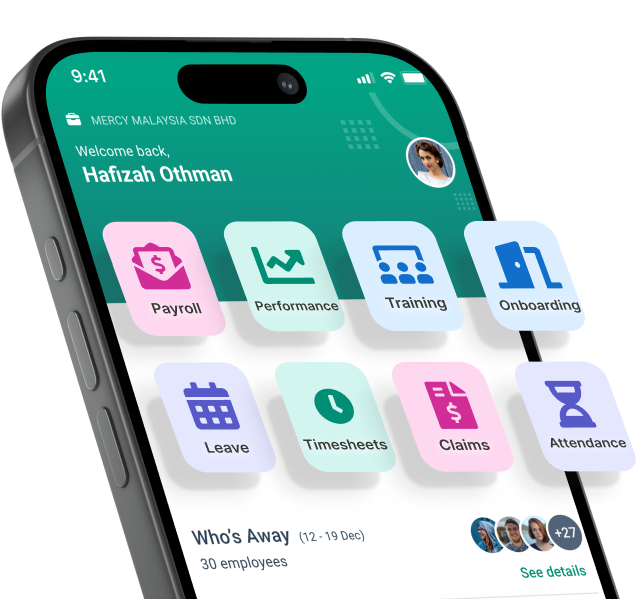
From payroll to onboarding, brioHR gives you everything you need in one place. Built for busy teams. Backed by people who care.
Conclusion
- Building a culture of accountability and ownership helps teams move with greater clarity, trust, and purpose.
- When employees take responsibility for outcomes, businesses are better equipped to solve problems and adapt quickly.
- Strong leadership plays a key role by setting expectations and modeling the behavior they want to see.
- Encouraging ownership across the organization leads to better collaboration, stronger performance, and lasting growth.
- With the right culture in place, accountability becomes more than a value. It becomes a driver of business success.
To learn more about how brioHR can transform your HR processes, check out BrioHR’s website or request a demo.
Related articles:
What is Productivity? Common Misconceptions and the True Meaning
Fauxductivity: The Illusion of Productivity and How It Hurts Your Business
Harnessing HRMS Tools to Transform Productivity Measurement
The Pivotal Role of Middle Managers in Achieving Real Productivity
How 360-Degree Feedback is Redefining Performance in Modern Workplaces