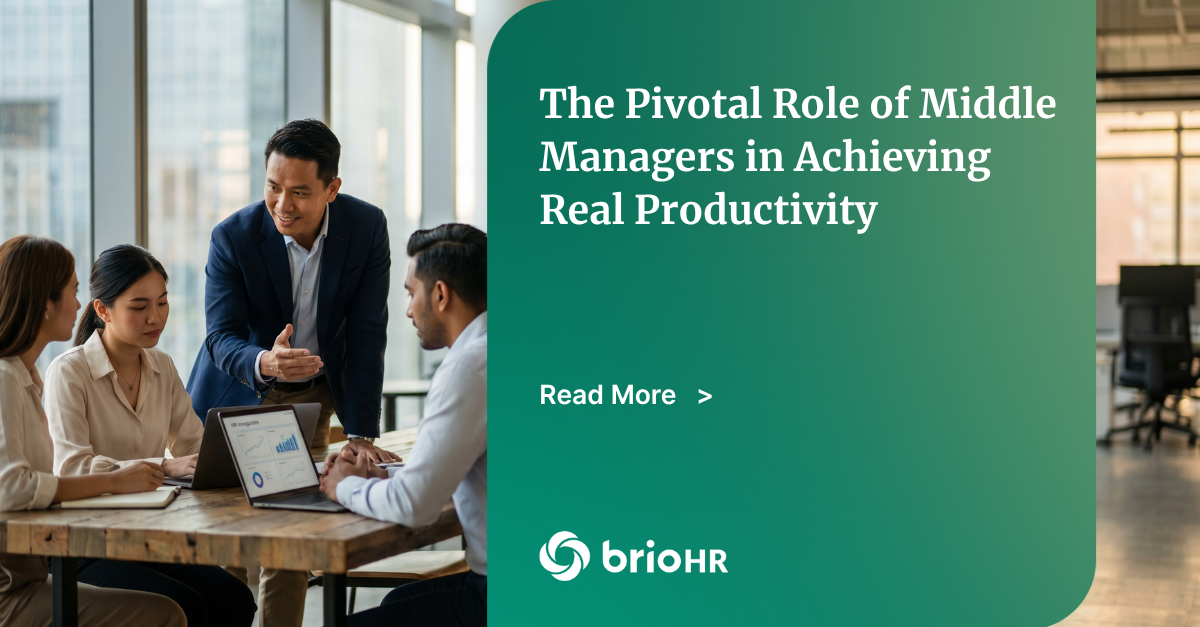
The Pivotal Role of Middle Managers in Achieving Real Productivity
Key Takeaways
- Middle managers play a critical role in translating company strategies into daily actions that drive team performance and business results.
- Without proper support, middle managers often face conflicting expectations, high accountability, and pressure to deliver results with limited authority.
- HRMS tools help middle managers improve productivity through structured goal setting, performance tracking, and regular feedback processes.
- Data driven insights from HRMS platforms enable managers to make better decisions, improve communication, and reduce issues like fauxductivity.
- Empowering middle managers with the right tools and support creates stronger teams, higher employee engagement, and more sustainable organisational growth.
When it comes to productivity, middle managers hold a unique position. They bridge the gap between top management and frontline employees, translating high-level strategies into actionable plans. Yet, they are often a key reason why initiatives succeed—or fail. Holding middle managers accountable and equipping them with the right tools to drive meaningful productivity is essential.
This article is part of our productivity series. Be sure to check out the earlier articles to explore the true meaning of productivity, uncover the dangers of fauxductivity, and learn how HRMS tools can transform performance measurement.
In this article, we’ll explore how HRMS tools can help companies maximise the potential of middle managers, fostering a culture of genuine productivity.

Why Middle Managers Are Essential to Company Performance
Middle managers play a pivotal role in ensuring organisational success. They act as the bridge between leadership and employees, driving the execution of strategic goals and maintaining team dynamics. Here’s why they are so crucial:
- Alignment with Strategic Goals: Middle managers ensure that the company’s strategic objectives are broken down into practical actions for their teams. They connect high-level goals with day-to-day operations, ensuring alignment across the organisation.
- Employee Engagement and Morale: Middle managers are often the direct point of contact for employees. Their leadership style, communication, and support significantly impact team morale, engagement, and productivity.
- Performance Oversight: They are responsible for monitoring individual and team performance, identifying issues early, and ensuring that work aligns with business goals.
- Facing the Music: Middle managers often bear the brunt of issues from all sides. Whether it’s addressing customer complaints, handling underperforming employees, or responding to declining business performance, they are the ones held accountable.
- Problem Solvers and Mediators: Acting as intermediaries, middle managers resolve conflicts between employees, reconcile differing expectations from upper management, and find solutions to operational challenges.
- Change Implementation: When companies introduce changes—whether new strategies, tools, or processes—middle managers are responsible for driving adoption within their teams. Their ability to manage this transition often determines the success of the initiative.
- Shaping Work Culture: Middle managers have a direct influence on workplace culture. Their behaviour, priorities, and interactions often set the tone for their teams, creating a ripple effect throughout the organisation.
Middle managers are the backbone of any organisation. Their ability to inspire teams, execute plans, and ensure alignment is unmatched.
Yet, despite their importance, middle managers are often overlooked and undervalued. This leaves them vulnerable to becoming scapegoats when challenges arise, whether due to systemic issues or external pressures.
“Before you are a leader, success is all about growing yourself. When you become a leader, success is all about growing others.”
Middle Managers: The First to Face the Axe
Despite their critical role, middle managers are often undervalued and the first to face consequences when things go wrong. Whether it’s addressing customer dissatisfaction, handling underperformance, or missing business targets, they are often blamed for failures.
This tendency to scapegoat middle managers reflects their challenging position. They are expected to manage teams effectively with limited authority and resources. Layoff trends underscore this vulnerability. A Korn Ferry insight reveals that middle managers accounted for 31.5% of all layoffs in 2023, a sharp increase from 22% in prior years.
These pressures highlight the importance of supporting middle managers with tools like HRMS to empower them and ensure accountability based on data, not assumptions.
These pressures highlight the importance of supporting middle managers with tools like HRMS to empower them and ensure accountability based on data, not assumptions.
Challenges Faced by Middle Managers
Middle managers often find themselves caught in a unique and difficult position, navigating demands from all sides while trying to perform their roles effectively. Here are some of the key challenges they face:
-
Conflicting Expectations
Middle managers are tasked with balancing the expectations of upper management with the needs of their team. They must translate high-level strategies into practical actions. At the same time, they need to advocate for their team’s needs. This dual role often creates tension and conflicting priorities. -
Limited Authority, High Accountability
While middle managers are held accountable for their team’s performance, they often lack the authority to make key decisions or access the resources needed to drive success. This lack of control can make it difficult to meet expectations. -
Pressure to Deliver Results
Middle managers are constantly under pressure to achieve targets. When teams underperform, they are usually the first to face scrutiny, even if the root causes—like systemic issues or inadequate support—are beyond their control. -
Time Management Struggles
With responsibilities that include managing people, overseeing operations, and meeting their own deliverables, middle managers often feel stretched thin. This leaves little time for strategic thinking or professional development. -
Emotional Labour
Middle managers frequently deal with interpersonal conflicts, team morale issues, and employee grievances. They must navigate these situations with sensitivity while maintaining team productivity. The emotional toll can lead to stress and burnout. -
Resistance to Change
When companies introduce new tools or processes, middle managers are expected to champion adoption. However, they may encounter resistance from their teams while also dealing with their own doubts or lack of familiarity with the changes. -
Inconsistent Communication
Middle managers are often left out of strategic discussions or receive incomplete information, making it difficult to provide clear guidance to their teams. This disconnect can lead to misunderstandings and misaligned efforts. -
Lack of Training and Development
Many middle managers are promoted for their technical skills rather than their leadership abilities. Transitioning from managing their own work to leading a team is a significant shift, and without proper guidance, many are left clueless about how to succeed. Key areas like conflict resolution, goal setting, and performance management often go unaddressed, leaving them ill-prepared for the demands of leadership.
This lack of training affects not only middle managers but also their teams. Poorly led teams can become disengaged, leading to issues like fauxductivity, high turnover, and low morale. Over time, these problems snowball, and middle managers often bear the blame for failing to maintain their teams, even when the root cause lies in insufficient support and development.
-
Blame Culture
Middle managers are often held responsible for failures that stem from larger organisational issues. Without the right tools, their efforts to align teams and meet targets can go unnoticed. HRMS tools provide transparency by tracking performance metrics and offering insights. These tools help ensure accountability is shared fairly, based on real data rather than perceptions.
Addressing these challenges requires not only holding middle managers accountable but also providing them with clear goals, regular feedback, and the data-driven insights necessary for success.

How HRMS Tools Can Help Middle Managers Succeed
Most companies don’t invest heavily in formal programs to teach managers how to manage. Instead, they often promote employees for their technical skills, assuming they’ll figure out leadership on the job. This leaves many middle managers struggling to navigate the complexities of leading a team.
HRMS tools, particularly those with robust performance management modules, can fill this gap. By embedding structured processes and providing actionable insights, HRMS tools act as an on-the-job guide, equipping middle managers with the skills they need to succeed. Here’s how they help:
- Clear Framework for Goal Setting HRMS tools provide managers with a structured approach to set and align team goals with organisational objectives. This teaches managers to prioritise and focus their teams effectively.
- Guided Feedback Mechanisms Through built-in templates, HRMS platforms encourage regular feedback, helping managers develop communication and coaching skills.
- 360-Degree Feedback for Self-Improvement Managers gain valuable insights from peers, subordinates, and upper management. This feedback highlights their strengths and areas for improvement, fostering self-awareness and growth.
- Data-Driven Insights on Team Performance Performance data allows managers to identify team challenges and trends early, helping them take proactive steps to improve engagement and productivity.
- Promotes Coaching Over Commanding HRMS tools encourage a coaching mindset, showing managers how to guide their teams toward achieving goals, rather than simply issuing directives.
- Customisable Training Recommendations Integrated development tools can recommend targeted training resources, helping managers build skills like conflict resolution or delegation.
- Ongoing Support and Check-Ins Regular check-ins facilitated by HRMS create opportunities for mentoring and guidance, ensuring middle managers stay aligned and supported.
Imagine a middle manager tasked with implementing a major organisational change. With HRMS tools, they set clear goals for their team, track progress in real time, and use data to provide targeted feedback. As a result, the team stays aligned, morale improves, and the change is implemented smoothly.
When middle managers have the tools to lead effectively, these benefits ripple through the organisation: stronger performance, better communication, reduced turnover, and more agility in adapting to change.

Make performance management effortless
Streamline goals, reviews, and feedback in one flow—so managers can focus on real performance conversations.

The Organisational Impact of Empowered Middle Managers
Equipped with the right tools, middle managers can make a broad, positive impact beyond their immediate teams. Empowering middle managers with HRMS tools creates benefits that ripple across the organisation, driving stronger performance and a healthier work culture. Here’s how:
- Stronger Team Performance Empowered middle managers lead engaged, high-performing teams. With clear goals and regular feedback supported by HRMS tools, employees stay focused on meaningful tasks. This alignment ensures that teams consistently meet or exceed performance expectations.
- Better Communication Across Levels Middle managers are the bridge between upper management and frontline employees. HRMS tools enhance this connection by ensuring clear communication of company strategies and expectations. As a result, teams stay aligned, and misunderstandings are minimised.
- Reduced Turnover and Higher Morale Managers who receive support and guidance foster positive, trusting relationships with their teams. This creates a work environment where employees feel valued and supported. Lower stress levels and higher engagement lead to reduced turnover and increased morale across the organisation.
- Minimised Fauxductivity Fauxductivity—appearing busy without delivering results—can derail company progress. By using HRMS tools to focus on measurable outcomes, middle managers encourage their teams to prioritise quality over appearances. This shift reduces wasted time and resources.
- Enhanced Organisational Agility In fast-changing markets, adaptability is critical. Middle managers equipped with HRMS tools can quickly implement new strategies and adjust to shifting priorities. Their ability to effectively lead through change ensures smoother transitions and stronger organisational resilience.
Everything HR.
One login
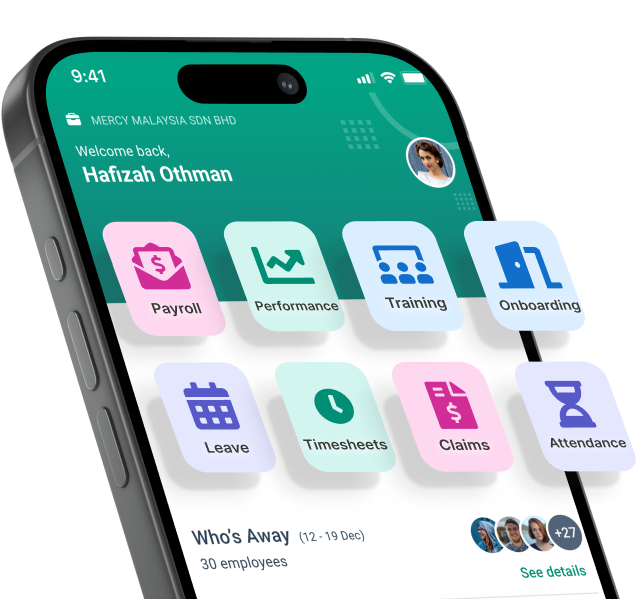
From payroll to onboarding, brioHR gives you everything you need in one place. Built for busy teams. Backed by people who care.
Why HRMS Is the Key to Sustainable Growth
Middle managers are the backbone of any organisation, and their performance directly impacts company success. By addressing the challenges they face and providing the tools they need, businesses create an environment where these leaders thrive. HRMS tools don’t just support middle managers—they empower them to drive lasting change and real productivity.
Investing in HRMS tools is a strategic step toward securing your organisation's future. With empowered, accountable middle managers, companies can create a culture of excellence and prepare for the challenges of tomorrow. To truly unlock their potential, however, organisations must foster a culture of transparency and collaboration. In our next article, we’ll explore how 360-degree feedback can play a transformative role in driving accountability and aligning performance with business goals.
Take the Next Step
Don’t wait to empower your middle managers. See how BrioHR’s HRMS suite can transform performance management. Request a demo today!
Conclusion
- Middle managers are essential to organisational success because they connect leadership goals with everyday team execution.
- Despite their importance, many middle managers face ongoing challenges such as limited authority, high accountability, and increasing workplace pressures.
- HRMS tools provide middle managers with the structure, visibility, and support needed to lead teams more effectively and confidently.
- By improving communication, performance management, and accountability, HRMS platforms help organisations build stronger and more productive teams.
- Investing in the growth and empowerment of middle managers creates long term benefits for employee engagement, operational efficiency, and sustainable business success.
To learn more about how brioHR can transform your HR processes, check out BrioHR’s website or request a demo.