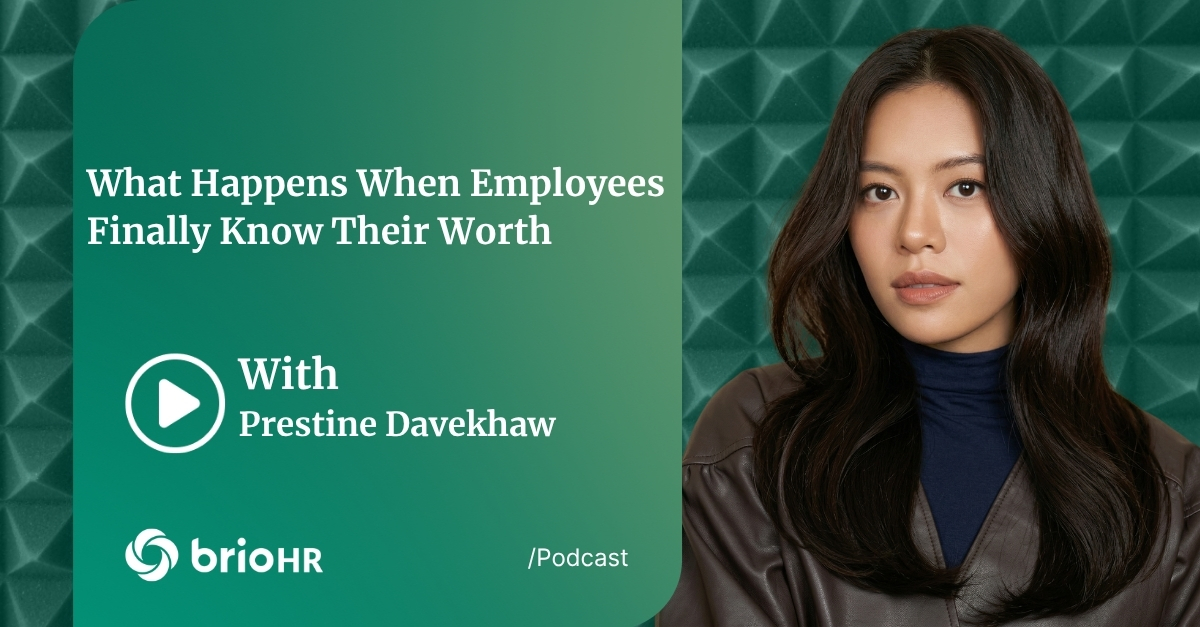
Prestine Davekhaw – What Happens When Employees Finally Know Their Worth
Key Takeaways
- Pay transparency is transitioning from a sensitive internal choice to a structural market requirement. As salary data moves into the public square via platforms like MalaysianPAYGAP, corporate silence is increasingly viewed by the workforce as a deliberate strategy of avoidance rather than neutrality.
- Authentic transparency is built on systems, not just culture. Organizations must establish clear salary bands, role leveling, and promotion logic before opening their books to avoid creating resentment and confusion among the existing headcount.
- A data-driven approach to compensation eliminates "inherited anxieties" regarding employee jealousy. By replacing management folklore with actual salary diagnostics, HR leaders can transform pay from a point of friction into a visible roadmap for career growth and retention.
The era of keeping compensation strategy parked in a dark corner is over. In this episode of withBrio, Prestine Davekhaw, Founder of MalaysianPAYGAP, makes a sharp point: the conversation has already moved into the public square. For HR leaders in Southeast Asia, the move toward openness is no longer a peripheral trend, it is a core trust issue and a long-term systems strategy. When employees begin comparing notes and finding discrepancies, the traditional "black box" approach to payroll becomes a significant liability to organizational health.

Only by addressing the mismatch between effort and power can companies build a sustainable culture. The shift toward transparency, fueled by platforms that have normalized the sharing of 30,000+ data points in sectors like banking and tech, has turned anonymous rates into a massive public resource.
The structural requirements for sustainable openness
Moving toward transparency without the proper underlying machinery is a high-risk move. While individual mindsets are important, true transparency requires deep organizational buy-in and rigorous policy support. If pay data is released before a company can explain the "why" behind a specific salary, the result is often a breakdown in trust.
Solving the friction of internal progression
A critical failure in many compensation models is the "Internal Progress" trap. Organizations frequently offer aggressive increments to attract external talent while allowing the pay of existing employees to stagnate. This pattern is a primary driver of churn.
* Market misalignment: Internal salary growth often fails to keep pace with the "hiring lures" used for new recruits, creating a pay gap that penalizes loyalty.
* Visibility gaps: When employees cannot see how their compensation will evolve over a two-year horizon, they are more likely to seek that clarity with a competitor.
* Retention through clarity: Transparency serves a functional business purpose by showing high performers a clear, documented path to increased earnings based on contribution.
A lack of transparency results in distrust and a deep sense of insecurity
Transitioning from opinion to diagnosis
Resistance to transparent pay often stems from a localized fear of team jealousy. However, too many compensation strategies are treated as objective facts when they are actually based on legacy anxieties inherited by management. To move forward, leadership must shift the conversation from subjective opinion to objective diagnosis. Instead of allowing fear to block policy, HR teams should gather real data to test whether "jealousy" is a legitimate risk or a management myth. Where pay systems are clear and meritocratic, clarity actually reduces confusion. It replaces speculation with evidence, ensuring that the process behind the numbers is as trusted as the numbers themselves.
Humanizing the employer brand
Modern employer branding often functions as a digital brochure, visually energetic but providing little substance regarding the actual lived experience of work. The future of work in Southeast Asia demands a story-led approach that connects individual roles to the broader company mission. As technology enables leaner, higher-performing operations, the expectations for individual performance will rise. In this environment, branding must be grounded in authenticity. By showing the person, the role, and the specific values that drive compensation, companies can move away from staged content and toward a trust-based relationship with their workforce.
Make performance management effortless
Streamline goals, reviews, and feedback in one flow—so managers can focus on real performance conversations.

Conclusion
- The future of leadership lies in trading the perceived safety of ambiguity for the strategic power of radical clarity. For HR and business leaders, this means dismantling the "legacy anxieties" that keep compensation shrouded in mystery and instead building a robust organizational engine where transparency, internal equity, and authentic storytelling intersect. By shifting from subjective opinions to data-driven diagnoses, companies don't just mitigate jealousy—they catalyze a high-performance culture where trust is the primary currency and loyalty is earned through a visible, documented path to growth.
Everything HR.
One login
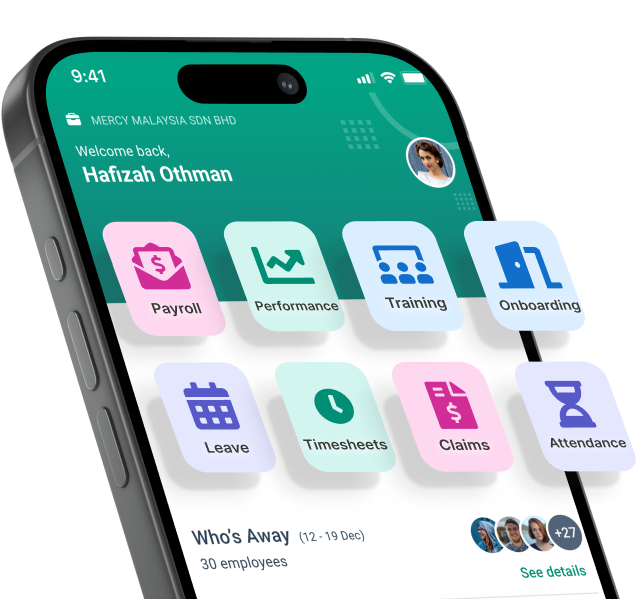
Cut the extra layers in your HR process. Keep what works, remove what doesn’t, and make everyday work easier for your team.
Want the full conversation on how HR can move from opinion to proof, from support to strategy, and from cost centre to value driver. Watch the full episode of withBrio.
To learn more about how brioHR can transform your HR processes, check out BrioHR’s website or request a demo.