HR as Architects of Flexibility: How HR Can Build a Thriving Flexible Work Arrangements (FWA) Programme

Key Takeaways
- HR Forms the Foundation: As the central architect, HR designs the crucial blueprint needed to run a thriving flexible workforce.
- Clear Policies Prevent Confusion: Documenting explicit eligibility and communication guidelines keeps managers and remote employees completely aligned.
- Shift Metrics to Results: Tracking outcomes-focused goals instead of office desk hours ensures true employee accountability.
- Equip Teams via Training: Providing targeted virtual workshops for managers and staff secures a smooth organizational transition.
- Maintain Open Communication: Active feedback channels allow companies to quickly handle initial rollout hiccups and refine strategies.
Let's face it, the days of the traditional 9-to-5 office grind are slowly fading into the rearview mirror. Flexible Work Arrangements (FWAs) are no longer a fringe perk, but a growing reality for businesses around the world. This shift towards flexibility encompasses various models, from remote work opportunities to compressed workweeks – anything that allows employees to tailor their work schedules and locations to better suit their needs.
"One of the secret benefits of using remote workers is that the work itself becomes the yardstick to judge someone's performance."
The Three Pillars of FWA Success
While a successful FWA environment requires a collaborative effort from everyone involved, HR plays a critical role in setting the foundation. Imagine FWAs as a house – HR is the architect, meticulously designing the blueprint for a functional and thriving workspace. But why is HR so crucial?
The answer lies in the three pillars of successful FWA implementation, outlined below as Steps 1 through 3.
Step 1: Comprehensive HR Policies
HR's role goes beyond simply processing FWA applications. They play a crucial role in laying the groundwork for a successful programme by establishing clear and comprehensive HR policies. Just like any well-built structure, a strong FWA programme requires a solid foundation. These policies ensure everyone understands the programme's guidelines, expectations, and benefits, fostering a positive and productive experience for both employees and employers. Here's where they truly shine:
- Comprehensive Policies: Clear and well-defined FWA policies are the cornerstone. These policies should outline:
- Eligibility Criteria: Who is qualified to apply for FWAs (e.g. job roles, seniority requirements, performance consistency).
- Available FWA Options: Clearly define various FWA models offered (remote work options, flexible start/end times, compressed workweeks).
- Communication Protocols: Establish clear communication guidelines for remote work, including:
- Check-ins and Touchpoints: Define specific methods for regular communication between managers and remote employees. This might include:
- Scheduled one-on-one meetings
- Daily or weekly team huddles
- Asynchronous communication channels for quick updates or questions (e.g., instant messaging)
- Meeting protocols: Define guidelines for conducting effective remote meetings, including agenda setting, etiquette for participation, and preferred video conferencing platform.
- Communication channels: Outline the appropriate communication channels for various purposes (e.g., email for general updates, instant messaging for quick questions, project management tools for ongoing collaboration).
- Check-ins and Touchpoints: Define specific methods for regular communication between managers and remote employees. This might include:
- Performance Expectations: Outline general expectations for performance and productivity in an FWA setting (refer to the "Performance Management Redefined" section for details on evaluation).
- Technology Requirements: Outline any specific technology requirements or software needed for effective remote work (e.g., secure VPN access, video conferencing platforms).
- Application Process: Define a clear and transparent application process for requesting and implementing FWAs.
- Review and Revocation: Establish procedures for reviewing applications and outline circumstances under which an approved FWA might need to be revoked due to performance issues or unforeseen circumstances.
- Beyond Applications: While comprehensive FWA policies cover eligibility, application procedures, and communication protocols, they extend beyond these initial steps to establish clear expectations for ongoing success in a flexible work environment. This includes outlining:
- Support Resources: Outline resources available to support employees working remotely (e.g. equipment, secure file-sharing systems, project management software).
- IT Support: Clearly outline the IT support channels available to employees working remotely (e.g., IT service desk, online troubleshooting resources).
- Manager and Employee Do’s and Don’ts: Provide clear guidelines for both managers and employees on acceptable and unacceptable behaviours in an FWA environment (e.g. manager availability during core hours, employee communication etiquette)
Step 2 - Performance Management Redefined
Traditionally, performance has often been measured based on factors like physical presence in the office, set work hours, and output that's easily quantifiable. However, FWAs necessitate a move away from these metrics and towards a more nuanced approach focused on results and outcomes.
Here's why a shift is needed:
- Focus on Location Independence: Remote work arrangements decouple performance from physical presence. Just because someone works remotely doesn't mean they're less productive.
- Increased Accountability for Results: FWAs empower employees to manage their time more flexibly. Performance evaluation should reflect their ability to deliver high-quality work and achieve established goals, not the number of hours clocked at a desk.
- Shifting Priorities for Managers: Managers need to transition from monitoring activity to focusing on clear communication, setting measurable objectives, and tracking progress towards those goals.
What to Focus on When Measuring Performance in FWAs:
- Clearly Defined Objectives: Move away from generic job descriptions and establish specific, measurable, achievable, relevant, and time-bound (SMART) objectives that align with individual roles and company goals.
- Outcomes and Results: Evaluate performance based on the quality of work delivered, projects completed, and goals achieved, rather than simply monitoring activity levels.
- Effective Communication and Feedback: Regular communication and clear performance expectations are crucial. Utilise online tools and techniques for providing timely and constructive feedback in a remote setting.
- Metrics that Matter: Develop performance metrics that are relevant to the FWA environment. These might include project completion rates, client satisfaction ratings, or meeting deadlines consistently.
HR's Role in Performance Management Redefined:
- Developing New Metrics: HR can play a vital role in working with managers and employees to develop new metrics that move away from metrics solely focused on physical presence in the office. The focus should be on establishing clear and measurable performance objectives (MBOs – Management by Objectives) that align with job roles and company goals.
- Performance Evaluation Tools: HR can help implement performance evaluation tools that can be effectively utilised in a remote setting. This might involve online self-assessment tools, peer feedback mechanisms, and clear performance review processes. These tools can be integrated with HR information systems (HRIS) to streamline the process. For instance, BrioHR offers a Performance Management module which is suitable for remote teams.
- Manager Training: HR should provide training for managers on providing effective feedback and conducting performance reviews virtually. This training can equip managers with the skills they need to effectively evaluate and motivate remote employees.
By transitioning to a performance measurement system focused on results and outcomes, HR can ensure a smooth transition to FWAs and empower employees to thrive in a flexible work environment.
Make performance management effortless
Streamline goals, reviews, and feedback in one flow—so managers can focus on real performance conversations.

Step 3 - Equipping Everyone for Success: Training Programs
Without a shared understanding of expectations and best practices, even the most well-intentioned FWA program can falter. Effective training is crucial for ensuring everyone is on the same page, fostering a smooth transition to FWAs. HR should consider:
- HR Team Alignment (First and Foremost): Ensure all HR personnel are well-versed in FWA policies, procedures, and best practices before the program is rolled out to managers and employees. Consistency in communication and application of the FWA program is essential. A well-trained HR team acts as the central resource and ensures everyone is "singing the same song" when it comes to FWAs.
- Manager Training: Train managers on leading and managing remote teams, utilising collaboration tools, providing effective virtual feedback, and fostering a culture of trust and accountability.
- Employee Training: Employees might benefit from training on time management skills, effective communication in a remote setting, and utilising collaboration tools productively.
- Training Effectiveness: Don't just train; ensure the training is effective. Consider post-training surveys or assessments to gauge knowledge retention and identify areas for improvement.
Open Communication is Key
Throughout the FWA implementation process, HR needs to establish a clear channel of communication for both managers and employees. This allows for:
- Feedback Mechanisms: Provide avenues for managers and employees to offer feedback on the FWA program, identify challenges, and suggest improvements.
- Addressing Issues Proactively: HR can act as a central point for addressing concerns and resolving any issues that arise during the FWA transition.
A Smooth Rollout and Beyond
Transitioning to an FWA model requires thoughtful planning and a smooth rollout. HR needs to be proactive in monitoring the process, identifying and addressing any glitches or challenges that arise. Remember, FWAs are relatively new for many, so early hiccups are expected. HR's responsiveness and adaptability are key to ensuring a successful transition.
"To successfully work with other people, you have to trust each other. A big part of this is trusting people to get their work done wherever they are, without supervision."
Everything HR.
One login
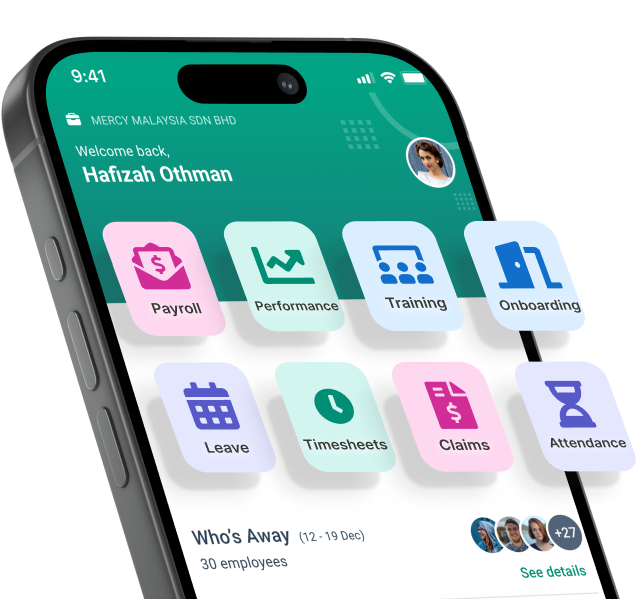
From payroll to onboarding, brioHR gives you everything you need in one place. Built for busy teams. Backed by people who care.
Conclusion
- Lay a Strong Policy Foundation: Creating explicit guidelines for eligibility and remote communication protocols eliminates operational ambiguity from day one.
- Redefine Success Metrics: Shifting evaluation methods from physical office presence to outcomes-focused goals empowers remote employees to work autonomously.
- Invest in Comprehensive Training: Aligning HR departments, team leads, and staff ensures everyone possesses the exact skills needed to collaborate virtually.
- Establish Robust Feedback Channels: Maintaining regular manager-employee touchpoints allows leadership to address early structural hiccups and administrative concerns immediately.
- Drive Longevity via Adaptability: Monitoring program implementation with modern tools lets business owners refine their workforce strategies to ensure sustained growth.
To learn more about how brioHR can transform your HR processes, check out brioHR’s website or request a demo.