Sick Leave and Hospitalization Leave in Singapore: What HR Needs to Know
Key Takeaways
- Employees are entitled to paid sick leave and hospitalization leave under Singapore’s Employment Act once minimum service requirements are met.
- Sick leave entitlement depends on length of service, with up to 14 days outpatient leave and prorated benefits for newer employees.
- Hospitalization leave can go up to 60 days, but is capped together with outpatient sick leave within the same entitlement year.
- Employees must meet key conditions such as timely notification and valid medical certification to qualify for paid leave.
- Clear policies and proper leave management help HR stay compliant while ensuring employees can rest and recover effectively.
Sick Leave
Who Is Eligible for Sick Leave?
Paid sick leave is a right under the Employment Act (EA). Generally, the Employment Act covers almost all employees, whether full-time, part-time, temporary or contract employees.
The EA also does not distinguish between Singapore citizens, permanent residents, and non-citizens. Therefore, foreigners and Singaporeans alike are entitled to sick leave under the EA.
What Is the Sick Leave Entitlement?
Employees who have worked for six months or more with the same employer are entitled to 14 days of paid outpatient sick leave. Between three and six months of service, the entitlement is prorated as follows:
- 3 months of service: 5 days of paid outpatient sick leave
- 4 months of service: 8 days of paid outpatient sick leave
- 5 months of service: 11 days of paid outpatient sick leave
Employers cannot give less than the statutory minimum of sick leave as stipulated under the EA. However, they are free to give more.
The employee is also entitled to their gross rate of pay (minus any allowances for shift work) while on sick leave. If the employee has worked for three months or more with the same employer, the employer must, at the minimum, pay the medical consultation fee.
The employer does not need to cover any other payments, e.g. for medication. However, such benefits may be extended to employees through health insurance or a medical expense claim.
“Employees who believe that management is concerned about them as a whole person, not just an employee, are more productive.”
How Does an Employee Qualify for Sick Leave?
There are several criteria that an employee must fulfil in order to qualify for sick leave:
- The employee must notify their employer within 48 hours of going on sick leave.
- The employee must be certified to be unfit for work by a medical practitioner registered under the Medical Registration Act or Dental Registration Act.
- The medical certificate (MC) must be presented upon return to work.
What If an Employee Falls Sick During a Rest Day or Public Holiday?
The employee is not eligible to apply for sick leave.

What If an Employee Falls Sick While on Annual Leave?
Generally, employees can’t ‘convert’ their annual leave into sick leave. However, some employers do give that option if the employee presents a valid MC.
What If an Employee Has Used Up All Their Sick Leave?
The employer can allow them to take unpaid leave, or give them the option to use their annual leave entitlement. If the employee is too sick to continue to work, you may have no choice but to terminate their services after giving due notice or payment in lieu of notice.
However, this should only be used as a last resort, and if their illness severely curtails their ability to do their job. For example, a construction worker that cannot manually lift heavy loads as a result of a diagnosed medical condition.
Hospitalization Leave
Who Is Eligible for Hospitalization Leave?
Like sick leave, employees working in Singapore are also entitled to hospitalization leave. However, there are several differences that employers need to take note of.
What Is the Hospitalization Leave Entitlement?
Employees who have worked for six months or more with the same employer are entitled to 60 days of paid hospitalization leave. Between three and six months of service, the entitlement is prorated as follows:
- 3 months of service: 15 days of hospitalization leave
- 4 months of service: 30 days of hospitalization leave
- 5 months of service: 45 days of hospitalization leave
Like sick leave, employers cannot give less than the statutory minimum of hospitalization leave as stipulated under the EA. However, they are free to give more. The employee is also entitled to their gross rate of pay (minus any allowances for shift work) while on hospitalization leave.
“Recovery is not a luxury. It is a necessity.”
Make Leave Management Effortless
With mobile requests and auto approvals, brioHR keeps employees and managers in sync no back-and-forth.

How Does an Employee Qualify for Hospitalization Leave?
Essentially, unlike sick leave, an employee requires hospitalization leave if they are admitted to hospital and a doctor deems that necessary. There are several criteria that an employee must fulfil in order to qualify for hospitalization leave:
- The employee must be certified by a medical practitioner who can admit patients into an approved hospital (including national specialty centres and ambulatory surgical centres).
- The employee must be warded in a hospital or undergone day surgery.
The employee may also qualify for hospitalization leave if they are quarantined under any written law.
What If an Employee Has Used Up All of Their Sick Leave, but Is Then Hospitalized?
According to the MOM, the amount of paid outpatient sick leave and paid hospitalization leave is capped at the sick leave entitlement. The example given by the MOM is that if an employee has already taken 14 days of paid outpatient sick leave in a year, the number of days of paid hospitalization leave that they can take is 46 days (60 - 14 = 46).
What If an Employee is Hospitalized, but Has Not Used Any Sick Leave?
In this case, the hospitalization leave entitlement should be used up first. The outpatient sick leave entitlement is not used.
Everything HR.
One login
From payroll to onboarding, brioHR gives you everything you need in one place. Built for busy teams. Backed by people who care.
Manage Sick Leave and Hospitalization Leave with BrioHR
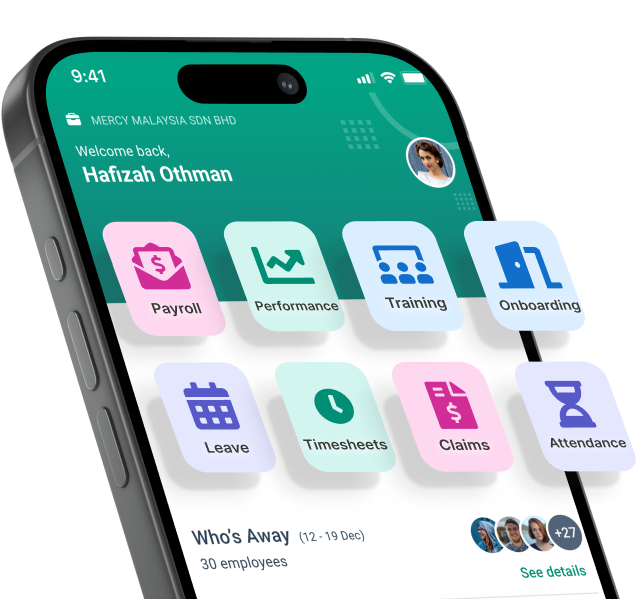
If you’re looking to manage sick leave policies for your business, BrioHR helps you get started in a fuss-free, user-friendly way. BrioHR’s leave function is mobile-ready so employees can notify their managers and upload their MC wherever they are. Managers can also approve them easily.
With a secure, scalable, user-friendly platform, BrioHR covers the entire employee journey from recruitment to onboarding, payroll and claims, to performance and analytics, and more.
This enables business owners and HR teams to truly focus on what matters most – people.
Visit briohr.com and get a free demo now.
Singaporean employees are entitled to paid sick leave and hospitalization leave under the Employment Act 1968. In general, employees will earn this entitlement if they have worked for their employer for at least three months.
Sick leave (colloquially known as “taking MC”) is meant for employees to take time off, rest, and recuperate. This way, they can get back to work sooner and reach full productivity in less time. In addition, if they’re sick with an infectious disease, they won’t spread it around the office.
Conclusion
- Understanding sick leave and hospitalization leave ensures your business stays compliant with Singapore’s Employment Act.
- Clear guidelines on eligibility, entitlements, and conditions help reduce confusion for both HR and employees.
- Supporting employees with proper leave allows them to recover fully and return to work more effectively.
- Having structured leave policies in place strengthens trust and consistency across your organisation.
- Using a centralized HR system makes it easier to manage leave, track records, and streamline approvals.
To learn more about how brioHR can transform your HR processes, check out BrioHR’s website or request a demo.