HR’s Biggest Hidden Problems: Employee Benefits – Andrea Toh
Key Takeaways
- Benefit design reflects company culture, whether leadership intends it or not.
- AI can handle claims adjudication at scale once rules are taught once, but human oversight still matters for exceptions.
- A benefit only has value if employees actually use it.
There's a Louis Vuitton receipt that still comes up in conversation at Benefit Solutions. A bank had given its employees full freedom to claim anything from their flexible spending account, up to the available balance. One employee, with a few thousand dollars sitting there, submitted a receipt for a designer bag.
"That was one of the highest price items we have seen," Andrea Toh says, laughing about it now. It's become the story she tells to explain what flexible benefits actually mean once you remove the guardrails most companies are used to.
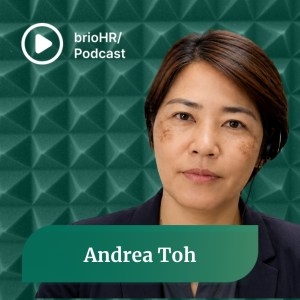
Toh is the CEO of Benefit Solutions Pte Ltd, a Singapore-based platform that helps companies manage flexible employee benefits. Her path started over twenty years ago, when she was a new mother working part-time for her mother's insurance broking company, processing claims. To make the job less tedious, she built herself a simple database tool using Microsoft Access, just to automate claims entry and reporting. That side project became the reason she was eventually pulled into the business full time. The broking firm was losing clients to bigger competitors who understood flexible benefits, a concept that was still new in Singapore at the time. Toh was asked to learn the space and help build a system. She did, working with developers for the first time, scoping out enrollment logic and plan structures from scratch.
From Side Project to a Second Company
In 2015, the company she helped build, Pan Group, was acquired by CXA. Toh could have walked away. She'd planned to take a one year sabbatical, her first real break after a decade as an entrepreneur. But there was a complication. Four staff at the vendor company had been dedicated to servicing the platform she'd helped build. If the new owner didn't acquire the IP, those four people would eventually lose their jobs as the platform wound down.
"If they don't buy the IP, is there something we can do to help them keep their jobs?" the vendor's owner asked her. That conversation became Benefit Solutions, co-founded with Chew Kok Hoor specifically to keep the platform alive and the team employed.
Eleven years later, the team has grown to around a dozen people, several of whom go back to the original company. "They are so in tune with the industry knowledge already," she says. "When we scope out, things can turn around within months."
The Problem With Benefits Nobody Uses
"If you have a medical plan where the employee is never sick, it's actually not a benefit to them. It's just a waste of money for the company."
Most companies design benefits around budget, not around the people receiving them. It's an understandable default. Every business has limits. But Toh has seen the same pattern across company sizes in Singapore and Malaysia: smaller companies start with basic hospitalization and outpatient cover. As budgets grow, they add dental, optical, maybe some flexibility in what employees can claim. Larger companies eventually move into wellness programs and structured flexible benefits.
I always feel that benefits are only appreciated if the employees are able to use it, that's the key
What Flexible Benefits Actually Look Like
Toh draws on the American term for it: cafeteria-style benefits. You pick what you want, instead of everyone getting the same fixed plate. In practice, there are two common structures. One is a flexible wallet, where employees choose from a list of ten to fifteen categories, things like holidays, fitness, self-improvement courses, or maternity support, and claim within that budget. The other applies directly to insurance plans, where employees can upgrade or downgrade coverage, with the cost difference either charged to them or returned into their personal spending account. Importantly, flexibility doesn't only apply to insurance. Toh stresses that even self-funded outpatient plans can be designed with the same upgrade-downgrade logic, which matters for SMEs that assume flexible benefits are only for companies with deep pockets.
Freedom Needs Structure
"Freedom comes with knowledge," she says. "You have full freedom to do something without the knowledge of how to use it wisely, it's not going to help."
She compares it to being handed a piano with no lessons. The instrument doesn't make music on its own. Toh's approach is to cap the number of claimable categories, typically no more than five, so employees aren't overwhelmed by choice. The goal isn't unlimited options. It's relevant ones. This is also where company culture quietly shows up in plan design, whether leadership intends it or not. A company that allows employees to claim almost anything is signaling openness and trust. A Japanese client Toh worked with needed the opposite: a flexible wallet, but with a sub-limit on every single item, because the appetite for ambiguity simply wasn't there.
Make performance management effortless
Streamline goals, reviews, and feedback in one flow—so managers can focus on real performance conversations.

The Conversation Every HR Leader Avoids
Toh's advice on getting executive buy-in is blunt. When asked how HR should start that conversation with leadership, she didn't hesitate.
"Data," she says. "You need data."
That means utilization rates, claims patterns, workforce demographics, and the hiring cost of not improving benefits. Vague appeals, like "employees want better benefits", rarely move a budget conversation. Numbers do. There's a detail many HR teams overlook entirely: getting C-suite approval often hinges on how the new plan affects leadership themselves. If a redesign leaves senior leaders with worse coverage than before, the plan won't get approved, regardless of how good it is for everyone else.
Measuring What Feels Unmeasurable
One of the harder questions Mattie pushes on is ROI: how do you get a CEO to invest in culture, EQ, behavioral competencies? Things that are real but don't produce a clean number. Parrish's answer is practical. You build it into the performance system itself. In his framework, performance evaluation isn't only about hitting KPIs. It's split between hard targets, the delivery, the numbers, the results, and soft targets, the behavioral competencies. And the more senior the person, the higher the percentage that should be measured on behavior.
Where AI Actually Fits
Toh has been resistant to expanding into employee servicing for years. "I've been there, done that, and I don't want to do it again," she says. But claims adjudication, the process of checking whether a claim follows a client's specific rules, was the one area she was willing to bring AI into, and only once the technology could handle it properly. Unlike insurance, where rules are fairly standardized, flexible benefits rules differ client to client. One company might allow holiday claims for flights only. Another might cover the entire trip. Training a human team to track all those variations doesn't scale. Training an AI engine once, and letting it improve with volume, does.
Why She's Still Doing This After Twenty Years
Toh calls her developers magicians, only half joking. "When I ask for something, they're like, no. Then they discuss, say, okay, can. And they come out with it." She likens it to her other hobby, sewing: if she can imagine a dress, she can draft it and build it herself. With software, she can't code it herself, but the creative instinct is the same. What keeps her in employee benefits specifically, after two decades, is the same reason she started Benefit Solutions in the first place.
Conclusion
- Andrea Toh, CEO of Benefit Solutions, has spent over twenty years building flexible employee benefits platforms in Singapore and Malaysia, and in this episode she explains why most companies design benefits around budget instead of what employees actually use, how flexible benefits work in practice without overwhelming people with choice, and why getting executive buy-in always comes down to data rather than opinion.
Everything HR.
One login
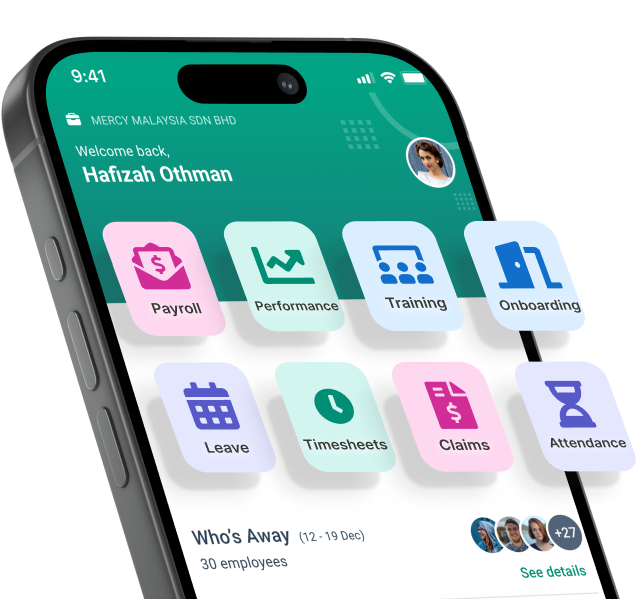
Cut the extra layers in your HR process. Keep what works, remove what doesn’t, and make everyday work easier for your team.
Want the full conversation on how HR can move from opinion to proof, from support to strategy, and from cost centre to value driver. Watch the full episode of withbrio.
To learn more about how brioHR can transform your HR processes, check out brioHR’s website or request a demo.