The Evolving Landscape of Time Management in the Workplace
The Changing Face of Work
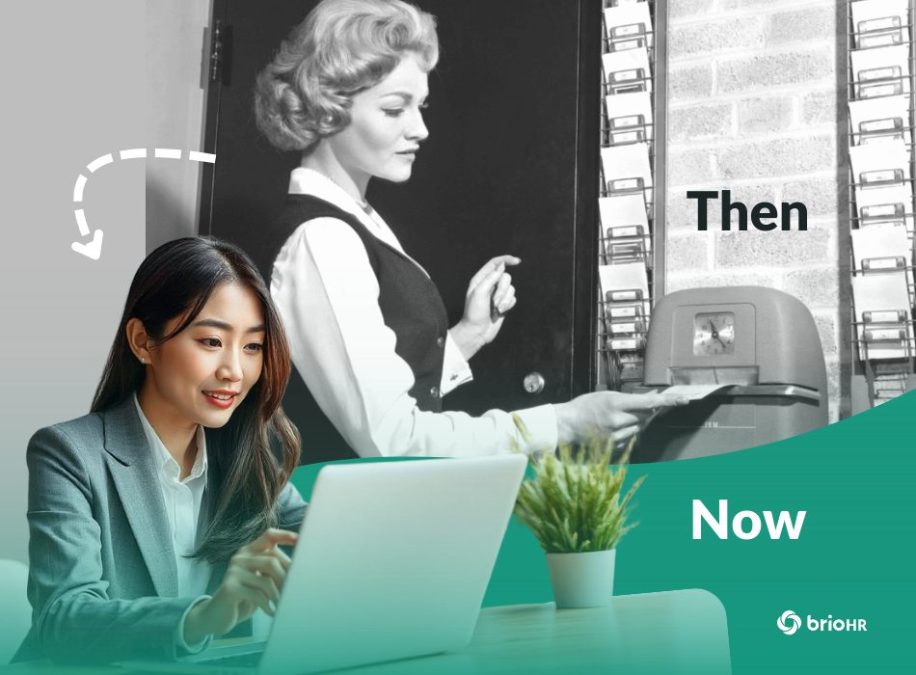
For many years, time attendance systems were viewed as little more than tools for tracking employee hours and calculating overtime, while the actual scheduling had to be managed using external tools like Excel. Managers and employees alike saw these systems as necessary but basic—something that ensured everyone was present, productive, and accountable during their work hours. While this traditional view served its purpose, it missed the broader potential that modern time management systems now offer.
Today, the landscape of time management is undergoing a profound transformation. The rise of remote and hybrid work, coupled with significant technological advancements, is reshaping how businesses manage their most valuable resource—time. As discussed in our previous article, Time Is Money: The Hidden Impact of Time Attendance on Business Success, time attendance systems are no longer just about calculating overtime; they have evolved into powerful platforms that drive strategic business decisions, optimise operations, and enhance employee autonomy.
The Rise of Remote and Hybrid Work
As workplaces continue to evolve, the shift to remote and hybrid work models has brought both opportunities and challenges. The freedom to work from anywhere has become a cornerstone of modern employment, but with this freedom comes the need for more sophisticated approaches to managing time.
- Visibility and Accountability: In a remote work environment, the traditional notion of visibility—where being physically present equated to productivity—no longer holds true. Managers can no longer walk the office floor to gauge how work is progressing. Instead, they must rely on tools that ensure employees remain accountable, regardless of location.
- Coordination Across Time Zones: Time zones add another layer of complexity. As teams spread across borders and across the globe, coordinating efforts can become a logistical puzzle. Meetings, deadlines, and collaboration must be carefully managed to ensure that all team members are working in harmony, even when they're miles apart.
- Blurring of Work-Life Boundaries: Moreover, the boundaries between work and personal life blur more easily in remote settings. Without the clear-cut distinction of an office environment, employees might find themselves struggling to maintain a healthy work-life balance. The risk of burnout becomes more pronounced, making it essential for businesses to adopt systems that not only track time but also support employee well-being.
To meet these challenges, businesses are increasingly turning to advanced time attendance systems. Mobile check-ins, GPS tracking, and real-time dashboards are just some of the features that have become indispensable in today’s workplace. These tools offer the visibility and flexibility that modern work environments demand, ensuring that productivity remains high without sacrificing employee autonomy.
Technological Advancements Shaping Time Management
Technology has always been a driving force behind change, and time management is no exception. The integration of AI, automation, and cloud-based solutions has revolutionised how businesses approach time management, making it more efficient and adaptable.
- Streamlining Overtime and Allowance Management:Imagine a system that simplifies the complex task of managing overtime and allowances by allowing you to set calculation methods and guidelines directly within the platform. For example, if an employee works past 10pm, the system can automatically calculate and apply a travel allowance for their journey home and a meal allowance. This level of automation not only ensures accuracy but also saves significant time for managers who would otherwise need to calculate these details manually. By handling these essential yet time-consuming tasks, the system frees up managers to focus on more strategic aspects of their role.
- Cloud-Based Time Attendance Solutions: But the benefits don’t stop there. Cloud-based time attendance systems offer unparalleled flexibility, allowing businesses to scale effortlessly as they grow. Whether you're managing a small team or a global workforce, these systems provide the infrastructure needed to keep everything running smoothly. With real-time accessibility, managers can make informed decisions on the fly, responding to changes as they happen.
- Biometric and Mobile Technologies: Biometric technologies and mobile apps add another layer of precision and security. No longer do employees need to be tethered to a physical office to clock in and out. These advancements ensure that time tracking is accurate and convenient, no matter where work happens. Say goodbye to the risk of buddy punching and other forms of time fraud.
Flexible Work Schedules and Employee Autonomy
The modern workforce is also demanding more flexibility, and businesses that fail to adapt may find themselves struggling to attract and retain top talent. Employees are no longer content with rigid 9-to-6 schedules; they want the freedom to work in a way that suits their personal lives.
This shift in expectations requires a corresponding shift in how businesses manage time. Traditional systems that only track fixed hours are no longer sufficient. Instead, companies need sophisticated systems that can handle variable work hours, track remote work, and ensure that employees are meeting their goals without constant oversight.
The challenge lies in balancing this flexibility with productivity. While employees value autonomy, businesses still need to ensure that work gets done. Advanced time attendance systems offer a solution by providing tools that allow employees to manage their own schedules while maintaining oversight. Self-service portals, for example, empower employees to log their hours and request schedule changes, all while providing managers with the data they need to keep operations running smoothly.
Transparency and accountability are key in this new landscape. Real-time data ensures that both employees and managers have a clear view of work hours, making it easier to address any issues as they arise. When combined with performance metrics, these systems help businesses strike the right balance between flexibility and productivity, ensuring that both the company and its employees thrive.
The Importance of Real-Time Data and Analytics
As we continue to explore the evolving landscape of time management, it becomes clear that real-time data and analytics are more than just buzzwords—they're essential tools for navigating the complexities of modern work environments.
Immediate Insights: In the past, attendance records were primarily used for payroll processing, but today's systems offer so much more. With real-time data, managers have immediate access to the insights they need to make informed decisions. This shift from reactive to proactive management is critical in an era where business conditions can change rapidly.
Consider a scenario where a department consistently experiences late arrivals. With traditional methods, this issue might not come to light until it's too late to correct. However, with real-time data, managers can identify the problem early and take corrective action before it affects productivity.
- Proactive Resource Allocation: Moreover, real-time data allows for proactive resource allocation. If absenteeism starts to impact a team’s performance, additional support can be provided right away, preventing further disruption. This kind of agility is essential for keeping operations running smoothly and staying ahead of potential issues.
- Tracking Productivity Trends: But the benefits extend beyond day-to-day operations. By tracking productivity trends over time, businesses can gain deeper insights into when their employees are most effective. This data can be used to adjust schedules, redistribute workloads, or even rethink the structure of the workday—all in the service of optimising performance.
- Identifying and Mitigating Risks: Real-time data also plays a crucial role in identifying and mitigating risks. Whether it’s preventing employee burnout by flagging excessive overtime or ensuring that productivity remains high during peak periods, these insights help businesses maintain a healthy, productive workforce.
In an integrated system like BrioHR, this information can also be seamlessly incorporated into employee performance management assessments, providing a comprehensive view of an employee’s contribution and enabling more informed, data-driven evaluations.
Preparing for the Future of Time Management
The landscape of time management in the workplace is evolving rapidly, driven by changes in work models, technological advancements, and shifting employee expectations. To stay competitive in this dynamic environment, businesses must embrace these changes and adapt their time management practices accordingly.
From the rise of remote and hybrid work to the demand for flexible schedules and the integration of real-time data analytics, each trend presents both challenges and opportunities. By leveraging advanced time attendance systems, businesses can not only overcome these challenges but also harness the power of data to enhance productivity, optimise resource allocation, and drive overall performance.
As the workplace continues to evolve, so too must the tools and strategies that support it. Investing in robust time management solutions is not just about keeping up with the times; it’s about gaining a competitive edge in an increasingly complex and interconnected world.
Making Time Attendance a Strategic Priority
As businesses continue to navigate a dynamic economic landscape, the ability to accurately manage time resources becomes a critical competitive advantage. Investing in a robust time attendance system is not merely about tracking hours, spotting absenteeism, and sending overtime data for payroll calculation; it’s about streamlining operations, ensuring seamless information flow across departments, and ultimately enhancing operational efficiency, and improving the bottom line.
In many businesses today, operations managers with large teams still rely on paper forms and spreadsheets to manage overtime and allowances. These manual processes are time-consuming and prone to errors. A modern time attendance system removes this burden by allowing managers to easily manage, plan, review, and approve overtime and allowances, with all the data flowing directly to HR for payroll processing. This seamless integration allows operations managers to make more informed decisions when it comes to budgeting and headcount management, as they can analyse real-time data on overtime costs and workforce allocation. This not only saves significant time but also improves accuracy, helping businesses optimise resources and make smarter financial decisions. As companies continue to navigate a dynamic economic landscape, the ability to efficiently manage time and resources becomes a critical competitive advantage. More on how this impacts specific sectors will be covered in the upcoming articles focusing on different industries.
This article is part 2 of our series on Time Attendance Management. Be sure to follow the series for upcoming articles, where we will not only explore how time attendance impacts different work environments but also take an in-depth look at how it specifically affects various industries. From retail and F&B to manufacturing and many more, we’ll provide tailored insights to help you unlock the full potential of time attendance systems in your organisation.
Meanwhile, you can check out BrioHR's time attendance management module or request a demo to see how it can benefit your business.
Related article:
Time Is Money: The Hidden Impact of Time Attendance on Business Success