Understanding Constructive Dismissal in Malaysia: A Comprehensive Guide for HR Professionals

Key Takeaways
- Constructive dismissal occurs when an employer breaches contract terms, forcing an employee to resign due to intolerable working conditions.
- It differs from unfair dismissal as the employee resigns, but is legally treated as having been dismissed.
- Common causes include demotion, pay cuts, excessive workload, job scope changes, and hostile work environments.
- HR professionals must identify early warning signs and investigate claims thoroughly to reduce legal risks.
- Clear communication, fair policies, and proactive conflict resolution help prevent constructive dismissal cases.
This article will cover all about constructive dismissal and constructive dismissal in Malaysia. This article will give in-depth knowledge about constructive dismissal to HR professionals. This guide will also cover- Difference between constructive dismissal and unfair dismissal Why HR professionals should understand this Examples of constructive dismissal in Malaysia Identifying and avoiding constructive dismissal And more. So, let's dig deep into it.
What is Constructive Dismissal?
Constructive dismissal happens when an employer violates the terms of an employment agreement. This results in the employee feeling compelled to resign. This breach of contract can take various forms. For example, a significant unilateral change in job scope, duties, or demotion without a valid reason. It is important to note that the breach must be fundamental and substantial enough to justify the employee's decision to resign.
Distinguishing Constructive Dismissal from Unfair Dismissal
While constructive and unfair dismissal may seem similar, there are fundamental differences between them. Employers must have a fair reason and follow proper procedures when terminating an employee's contract to avoid unfair dismissal. On the other hand, constructive dismissal occurs when the employee resigns due to the employer's actions. This makes it impossible for the employee to continue working. In constructive dismissal cases, the employee is essentially treated as if they were dismissed, even though they technically resigned.
“To win in the marketplace you must first win in the workplace.”
Importance for HR Professionals
Understanding constructive dismissal is crucial for HR professionals. It helps to navigate legal issues, protect rights, and create fair work environments. By recognizing signs, intervening early, and resolving conflicts, HR professionals can prevent lawsuits and foster employee satisfaction and productivity. This knowledge also allows them to address grievances and strengthen the employer-employee relationship in compliance with employment laws.
Common Examples of Constructive Dismissal in Malaysia
Common examples of constructive dismissal in Malaysia can include various scenarios. That infringes on an employee's rights and makes it untenable for them to remain in their position. One example is when an employee is demoted without a valid reason or justification provided by the employer. This can significantly blow an individual's professional reputation and result in a loss of status, responsibilities, and even salary.
Another example is a substantial reduction in an employee's salary or benefits without proper justification or explanation. This can severely impact an individual's financial well-being, leading to feelings of unfair treatment and dissatisfaction.
A change in job scope or duties without the employee's consent is also considered a form of constructive dismissal. Suppose an employer unilaterally alters an employee's responsibilities and expectations without consulting or obtaining their agreement. In that case, Creating a hostile work environment can negatively impact employee retention.
An unreasonable workload can also contribute to constructive dismissal. Suppose an employer consistently assigns excessive work to an employee beyond what is reasonable or manageable. In that case, it can lead to significant stress, burnout, and, ultimately, the employee feeling compelled to resign.
Lastly, bullying or harassment in the workplace is a clear example of constructive dismissal. When an employee is subjected to mistreatment, intimidation, or discrimination, it can create an intolerable work environment and force the employee to resign to escape the harmful situation.
How to Identify Constructive Dismissal
Identifying signs of constructive dismissal can be crucial for HR professionals. It helps to address potential issues and protect the rights of employees. Here are some indicators that an employee may be considering resigning due to constructive dismissal:
- Significant changes in job responsibilities: If an employee's job scope, duties, or responsibilities have been drastically altered without any valid reason or explanation from the employer, it may indicate constructive dismissal. This could include being assigned tasks outside their expertise or stripped of important responsibilities.
- Demotion without justification: If an employee is suddenly demoted without a valid reason or proper explanation provided by the employer, it may lead to feelings of unfair treatment and being undervalued. This loss of status and responsibility can clearly signify constructive dismissal.
- Unreasonable workload: Consistently assigning excessive work to an employee beyond what is reasonable or manageable can contribute to constructive dismissal. If an employee is constantly overwhelmed and unable to cope with their workload, it may force them to consider resigning.
- Unexplained pay cuts or benefit reductions: A substantial employee salary or benefits reduction without proper justification or explanation can indicate constructive dismissal. This can significantly impact an individual's financial well-being and create feelings of unfair treatment.
- Hostile work environment: If an employee is subjected to bullying, harassment, or discrimination, it can create an intolerable environment. This mistreatment can force an employee to resign to escape the harmful situation.
- Lack of communication or consultation: If an employer unilaterally changes an employee's job scope, duties, or expectations without consulting or obtaining their agreement, it can contribute to constructive dismissal. This lack of communication and disregard for the employee's input can create a sense of powerlessness and frustration.
What Steps Should HR Professionals Take to Investigate a Potential Constructive Dismissal Claim?
When faced with a potential constructive dismissal claim, HR professionals should take the following steps to thoroughly investigate the situation:
- Gather all relevant information: HR professionals should collect all relevant documents, such as the employee's contract, any written communications or policies related to the alleged breach, and any evidence provided by the employee to support their claim.
- Conduct interviews: HR professionals should interview the employee who has raised the claim to understand their perspective and gather all relevant details. Creating a safe and supportive environment is crucial for employees to feel comfortable sharing their experiences and concerns.
- Interview witnesses: If there are any witnesses to the alleged breach or events leading to the employee's decision to resign, HR professionals should interview them to gather additional information and perspectives.
- Review policies and procedures: HR professionals should review the company's policies and procedures to determine if any violations could contribute to constructive dismissal. This includes assessing whether the employer followed fair procedures in implementing any changes or decisions that may have led to the employee's resignation.
- Seek legal advice if necessary: HR professionals should seek legal advice to ensure compliance with employment laws and regulations if the investigation reveals potential legal implications or complexities.
- Mediate and resolve the issue: HR professionals should consider mediation or other forms of dispute resolution to address the employee's concerns and find a mutually beneficial solution. This may involve discussions with the employee, supervisor, or other relevant parties.
Make performance management effortless
Streamline goals, reviews, and feedback in one flow—so managers can focus on real performance conversations.

How to Avoid Constructive Dismissal
To avoid constructive dismissal and create a fair and supportive workplace environment, HR professionals should take proactive measures to prevent situations that may make employees feel compelled to resign. Here are some best practices to consider:
- Clear Communication: Establish open lines of communication between employers and employees. Regularly communicate changes or decisions impacting job responsibilities, duties, or expectations. Seek employee input and feedback to ensure their concerns are heard and addressed.
- Transparent Policies and Procedures: Develop clear and comprehensive policies and procedures that outline employee rights, expectations, and procedures for addressing grievances. Make these policies easily accessible to all employees and consistently apply them throughout the organization.
- Employee Engagement and Inclusion: Foster a culture of employee engagement and inclusion by promoting teamwork, collaboration, and involvement in decision-making processes. Encourage employees to voice their opinions and ideas and recognize and appreciate their contributions.
- Performance Management: Implement a fair and objective performance management system that provides regular feedback, coaching, and development opportunities. Set clear performance expectations and provide employees with the necessary resources and support to meet these expectations.
- Training and Development: Invest in training and development programs to enhance employees' skills, knowledge, and capabilities. Provide opportunities for employees to grow and advance within the organization, ensuring they feel valued and supported.
- Conflict Resolution: Establish effective conflict resolution mechanisms to address employee complaints and grievances promptly and fairly. Train managers and supervisors in conflict resolution skills and encourage open dialogue and mediation to resolve conflicts before they escalate.
- Regular Reviews and Audits: Conduct regular reviews and audits of employment practices and policies to ensure compliance with relevant laws and regulations. Identify any potential issues or areas for improvement and take appropriate action to address them proactively.
- Legal Compliance: Stay current with employment laws and regulations to ensure compliance. Seek legal advice to ensure all employment practices, policies, and decisions align with legal requirements.
Everything HR.
One login
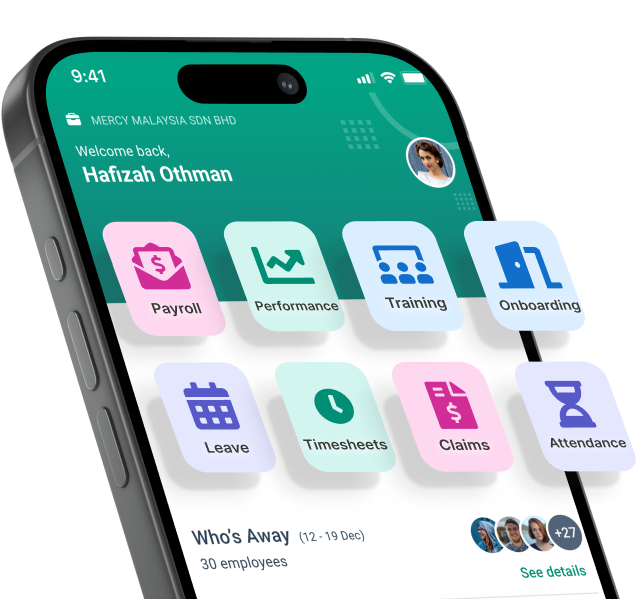
From payroll to onboarding, brioHR gives you everything you need in one place. Built for busy teams. Backed by people who care.
Conclusion
- Constructive dismissal is a serious issue that can expose employers to legal risk if not handled properly.
- HR professionals play a key role in identifying warning signs and addressing concerns before they escalate.
- Fair treatment, clear communication, and consistent policies are essential in preventing workplace disputes.
- Thorough investigation and proper documentation are critical when handling potential claims.
- Creating a supportive and transparent work environment helps protect both employees and the organization.
To learn more about how brioHR can transform your HR processes, check out BrioHR’s website or request a demo.