Solving the HR Paradox: Lessons on Growth, AI, and Smarter Hiring

Key Takeaways
- Salary transparency is a management mirror, because secrecy usually exists to hide a story of unfairness.
- AI functions as an HR time machine, because its real value is buying back hours for human work that cannot be automated.
- High-performance hiring requires testing for execution, because a perfect interview answer rarely predicts how someone navigates real-world chaos.
- HR earns a strategic seat by shipping solutions, because simply identifying problems keeps the department trapped in a back-office role.
- Company culture is a practical decision tool, because vague values turn performance feedback into a war of opinions.
HR often feels like being stuck in a high stakes tug of war. On one end, you have the relentless daily noise: the mounting paperwork, the overflowing hiring pipeline, and the sudden fires that inevitably ignite just before the office closes. On the other end, leadership expects a masterclass in strategy, demanding that you drive high performance and retention as if they were simple items on a weekly checklist.

In Episode 12 of withBrio, Jon Cohen challenges the industry to break this cycle. Jon has spent a decade building international teams for fast growing tech companies, helping over 4,000 people find roles that actually align with their strengths. His approach is grounded in a simple truth: stop being the department that only points out what is broken. Instead, build the muscle to ship solutions.
Why Salary Transparency is a Management Mirror
Jon leads with an observation that lands with the weight of a brick: salary secrecy usually exists because the pay structure is fundamentally unfair. This is not just a policy debate; it is a mirror reflecting how an organization truly values its people. When an organization avoids transparency, it usually means they are dodging uncomfortable questions. Are we consistent in how we reward performance? Do people doing the same work actually get similar pay? Are managers capable of explaining compensation without stumbling? True salary transparency forces a company to fix the story behind the spreadsheet before the numbers ever go public.
Reclaiming Time: AI as an HR Time Machine
AI is frequently discussed as a threat, but Jon reframes it as a time machine. The primary struggle for HR teams is finding the hours for real, human conversations because so much energy is swallowed by admin and repetition. AI acts as a noise canceller for the tactical work. It can summarize complex data, polish internal content, and speed up basic screening tasks. The objective is not to automate people, but to automate the friction. By letting technology handle the summarizes and manual workflows, HR professionals buy back the time needed for work that requires judgment, trust, and leadership. The human elements that a machine cannot replicate.
What's important is that you have a faith in people, that they're basically good and smart, and if you give them tools, they'll do wonderful things with them
Beyond the Polished Interview: Hiring for Real World Performance
Every hiring manager has experienced the mismatch: a candidate who is brilliant during the interview but underperforms in the role. This occurs because traditional interviews often over index on charisma and polished storytelling rather than execution. To fix this, the conversation shifts toward smarter assessment. We need to design interview steps that reflect the actual job. If the role requires decision making under pressure, the interview should test that, not just how well someone can tell a story about it. Performance rarely looks like a perfect, confident answer; it looks like the ability to navigate real world chaos.
The Career Accelerator: Moving from Identifier to Solver
A defining moment in this episode is the shift in mindset that separates average HR practitioners from strategic partners. Being a problem identifier is easy; HR is often brilliant at spotting what is wrong. However, identifying the issue is only the first step. The career accelerator is becoming a problem solver. This means bringing possible solutions to the table rather than just observations. When you show impact and make it easier for leadership to say yes to action, you move from a back office function to a driving force for business outcomes. In fast growing companies, being the person who reduces complexity is the most valuable trait you can have.
Make performance management effortless
Streamline goals, reviews, and feedback in one flow—so managers can focus on real performance conversations.

Building a LinkedIn Presence Without the Corporate Fluff
Jon’s own journey on LinkedIn started because traditional recruiting was not cutting it for niche, high volume roles. He began using content to attract talent rather than chasing them. What makes his advice approachable is his honesty about the process. He is open about navigating dyslexia and using modern tools to support his writing. For those looking to build a presence in the HR space, the lesson is resonance over complexity. Write from your actual experience, not like a corporate brochure. By making your thinking visible and keeping your message simple and specific, you earn trust over time. You do not need to perform for an algorithm; you need to show up consistently for your community.
Culture and Values as Decision Tools
Finally, the discussion touches on why culture is more than just words on a wall. When culture is vague, hiring becomes a chaotic guessing game. You might hire for skills but lose talent because of a fundamental misalignment. Practical culture means using values as actual decision tools. When values are clear, performance feedback stops being an opinion war and becomes a tool for alignment. It ensures that managers interpret goals the same way and that the entire organization moves in the same direction.
Conclusion
- Success in modern HR is about shifting from administration to inspiration. When you kill the bureaucracy and amplify the voice of the people, you don't just help an organization perform better; you create a ripple effect that makes work a genuine win-win for everyone involved.
Everything HR.
One login
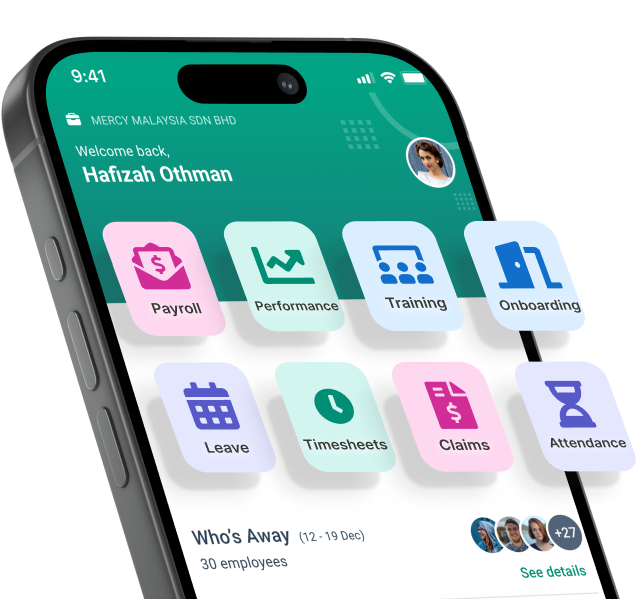
Cut the extra layers in your HR process. Keep what works, remove what doesn’t, and make everyday work easier for your team.
Want the full conversation on how HR can move from opinion to proof, from support to strategy, and from cost centre to value driver. Watch the full episode of withBrio.
To learn more about how brioHR can transform your HR processes, check out BrioHR’s website or request a demo.