How HR Can Win Trust with Numbers & Data
Key Takeaways
- Understanding the business changes HR’s role, because people decisions start linking to real outcomes.
- AI increases speed, but also risk, because people stop questioning what looks “smart”.
- Workforce planning is no longer about headcount, because work now includes people, tools, and AI.
- Trust is built in the basics, because one payroll error can outweigh everything else.
- HR stays operational when it enters decisions too late, because it reacts instead of shaping direction.
AI is changing how work gets done. But the bigger shift isn’t about tools. It’s about how HR sees itself.

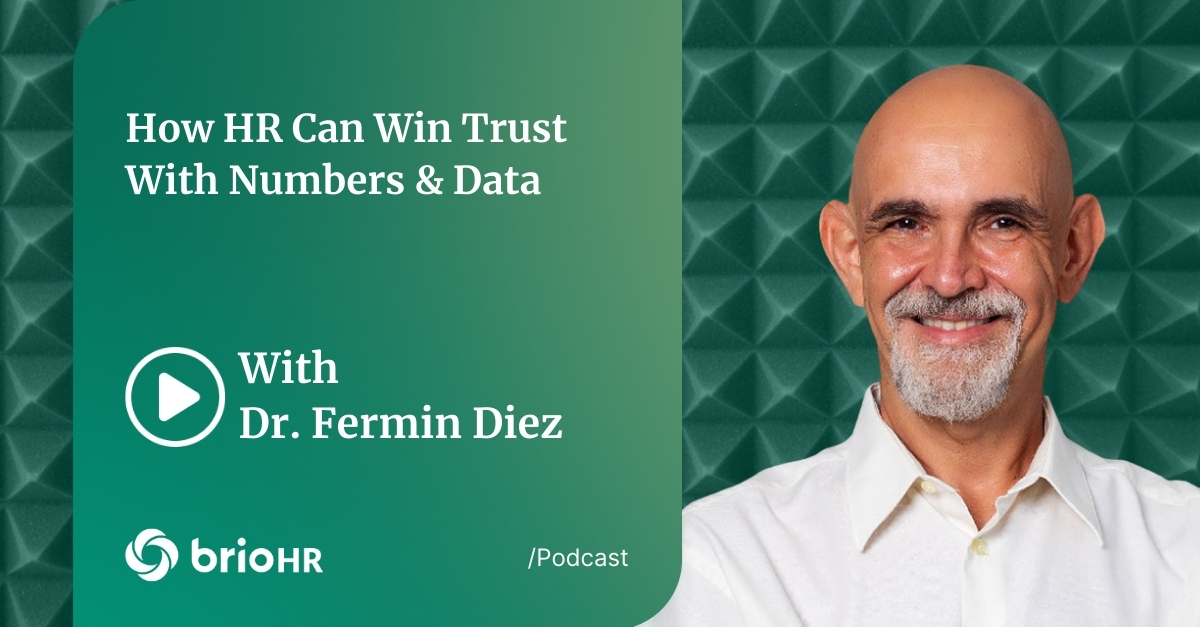
In the conversation with Dr. Fermin Diez, the idea is simple: HR won’t become more strategic by doing more. It becomes strategic by understanding how the business actually works, and where people fit into that system.
Why HR Still Struggles to Be Seen as Strategic
A lot of leaders still see HR as a cost. Not because they underestimate people, but because HR often shows up too late. Most HR teams are pulled into execution. Hiring requests. Policy updates. Compliance issues. By the time they enter the conversation, the direction is already set. So the perception sticks: HR supports decisions, it doesn’t shape them. The shift starts when HR understands the business beyond HR metrics, what the company is trying to achieve. Once HR can connect people decisions to business outcomes, the role changes naturally.
The Reality of One-Person HR
In smaller companies, this gap is even clearer. One HR person is expected to handle everything. Payroll, hiring, admin, employee issues. Strategy becomes something you “get to later.” The practical starting point is not strategy decks. It’s getting the basics right, then creating space. If payroll is messy, nothing else matters. If compliance is shaky, you’re constantly reacting. But once those are stable, the next step is understanding patterns:
1. Why are people leaving?
2. Where does performance drop?
3. What actually affects retention?
Without that layer, HR stays operational, no matter how busy it is.
If you don’t understand the business, you don’t understand your job
Workforce Planning Is No Longer About Headcount
The way companies think about “workforce” is outdated. Work is no longer done only by full-time employees. It’s a mix of:
- Employees
- Contractors
- Freelancers
- Vendors
- Automation
- AI Systems
But many organisations still plan using headcount as the main metric, that misses the point. The real question is not “how many people do we have,” but “how does work get done.” This is where the idea of a broader role comes in. Not just HR, but something closer to managing all resources together.
Payroll Accuracy Is a Trust Engine
There’s a tendency to see payroll as basic work, something to automate and move past. But this is where trust is built or broken. If salaries are accurate and on time, people feel secure, but if there’s an error, everything else becomes irrelevant. No culture deck can compensate for a payroll mistake, that’s why operational discipline matters.
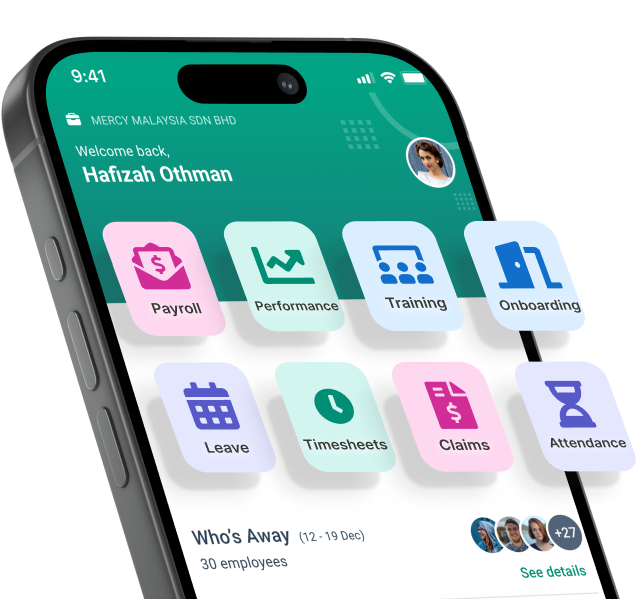
Experience how simple payroll can be
Reduce processing time and compliance risks with brioHR’s intuitive payroll system.

What This Means for HR Going Forward
The shift isn’t about becoming more “strategic” in title, it’s about:
- Understanding how the business works
- Connecting people decisions to real outcomes
- Managing both human and non-human resources
- Keeping systems reliable before scaling complexity
AI will keep improving, tools will keep evolving, but the role of HR doesn’t become more important because of the technology. It becomes more important when it can make sense of it.
Conclusion
- HR doesn’t lose relevance because of AI. It loses relevance when it stays focused on tasks instead of outcomes. The opportunity now is simple: Understand the business. Design how work actually happens. Keep the foundation solid. Everything else builds from there.
Everything HR.
One login
Cut the extra layers in your HR process. Keep what works, remove what doesn’t, and make everyday work easier for your team.
Want the full conversation on how HR can move from opinion to proof, from support to strategy, and from cost centre to value driver. Watch the full episode of withBrio.
To learn more about how brioHR can transform your HR processes, check out BrioHR’s website or request a demo.