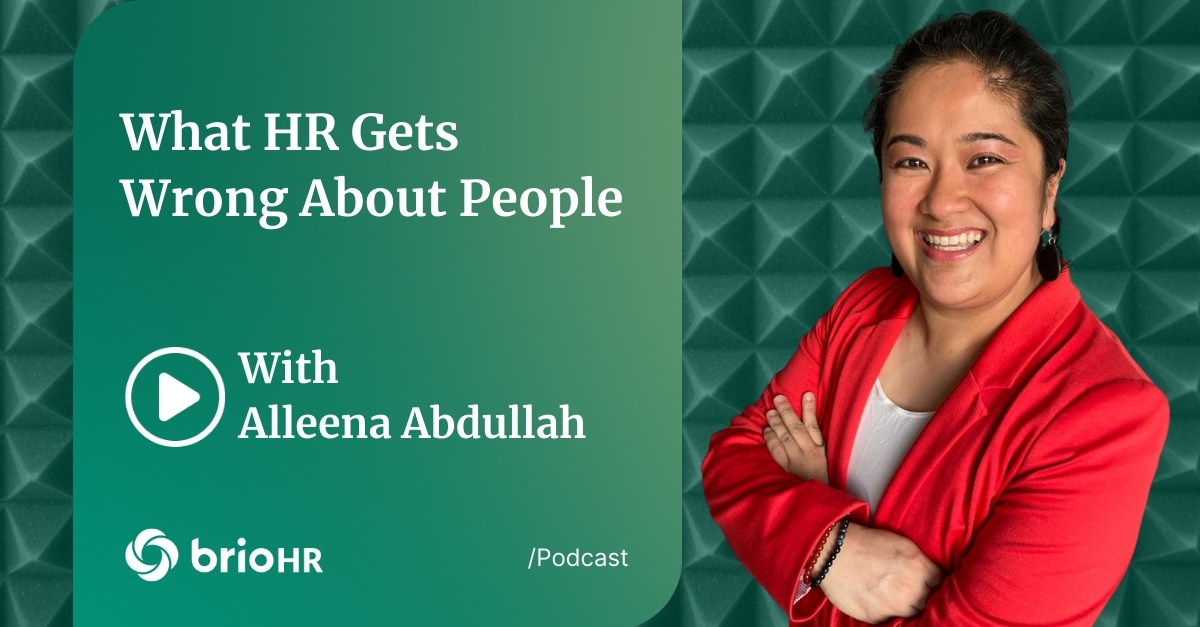
What HR Gets Wrong About People
Key Takeaways
- Most HR issues aren’t about tools. They come from a mismatch between what’s designed and how people actually work.
- Policies and systems break when they’re built on assumptions instead of real day-to-day behavior.
- Looking at HR like marketing means observing people first, not relying only on reports and surveys.
- Motivation and performance don’t sit neatly in data. You only understand them by actually talking to people.
- HR tools don’t fix things by default. They either reduce friction or make work heavier, depending on how well they fit real workflows.
HR teams deal with a lot more than most people see. On paper, the work looks straightforward manage payroll, roll out policies, track performance, support hiring. But in reality, most of the job is spent dealing with things that don’t quite work as expected. Systems don’t connect properly, approvals get delayed, communication breaks down, and small issues pile up into bigger ones.
This is where the gap starts.

We spoke about this in a recent episode of withBrio with Alleena Abdullah. Her background isn’t typical HR. She comes from hospitality, brand, and training spaces where you can’t rely on assumptions about people. If you get it wrong, you feel it immediately. That perspective changes how she looks at HR.
Why Looking at HR Like Marketing Helps
In marketing, you don’t launch something without understanding how people behave. You don’t assume what they need, you observe it. You watch how they respond, what they ignore, where they hesitate, and what actually gets their attention. That’s how campaigns are shaped. In HR, that step is often skipped. There is more reliance on reports, surveys, and structured feedback. These are useful, but they don’t always reflect the everyday experience of employees. Most of the real issues are small and repetitive—slow approvals, unclear expectations, tools that technically work but slow things down. These things rarely show up clearly in data, but they affect how people feel about their work every day.
Understanding What Actually Drives People
When performance drops, the instinct is usually to fix the process. Adjust the KPI. Change the structure. Introduce a new system. But motivation is rarely that simple. Sometimes people are dealing with pressure outside of work. Sometimes they don’t fully understand what’s expected of them. Sometimes they’ve stopped putting in effort because they don’t see any change happening. These are not things that can be solved through dashboards or reports alone. They require direct conversations and a better understanding of what employees are going through.
You can’t understand a system by looking at its outputs alone.
Hiring Beyond Experience
Most hiring processes still focus heavily on past experience. It’s a safe way to assess candidates, but it doesn’t always tell you how they will perform in a new environment. What matters just as much is whether the person understands and aligns with where the company is going. When that alignment is missing, it tends to show up later in how they work, communicate, and handle pressure. This is why early conversations matter more than most companies realize.
The Role of Leadership in All of This
Leadership often gets discussed in terms of strategy and decision-making, but there’s a more basic layer that is often overlooked. If leaders are constantly under pressure, reacting to issues as they come, and trying to keep everything moving, that state becomes part of the team’s environment. It affects communication, clarity, and how decisions are made. Sometimes improving performance isn’t about adding more structure. It’s about creating space to think clearly and respond better.
Not Everything Needs to Move Faster
In many organizations, speed is treated as a priority. But pushing everything to move faster doesn’t always lead to better outcomes. Different teams and individuals work at different paces, and forcing a single speed across the organization can create more confusion than progress. Taking the time to understand how people work can often lead to more sustainable improvements than simply accelerating processes.
Where HR Tools Fit in
Technology plays a role, but it doesn’t solve everything. HR systems can either reduce friction or add more of it. The difference usually comes down to whether the system reflects how people actually work, or whether it requires people to adjust their behavior to fit the system. When tools align with real workflows, they make things easier. When they don’t, they become another layer of complexity.
Reduce the small frictions that slow your team down.
From approvals to payroll to performance tracking, keep everything aligned with how people actually work.

Conclusion
- Thinking like a marketer doesn’t mean HR needs to become marketing. It simply means paying closer attention to people before making decisions. Because most HR challenges are not about lack of strategy or tools. They come from small mismatches between what is designed and what people actually experience. Fixing that gap is where real improvement starts.
Everything HR.
One login
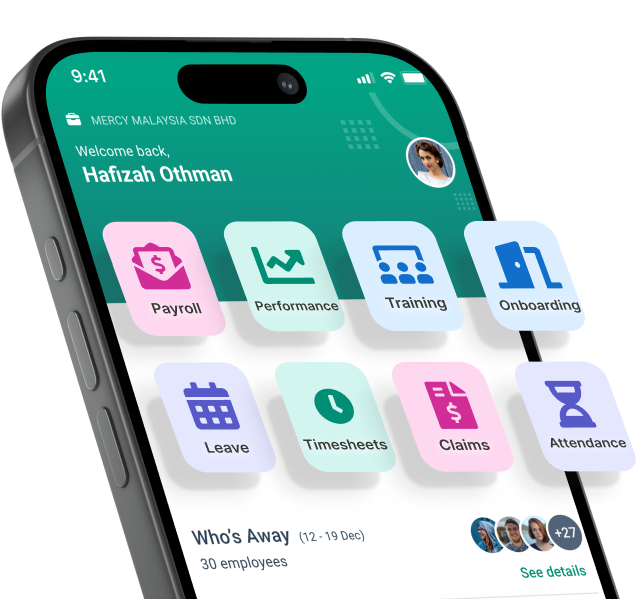
From payroll to onboarding, brioHR gives you everything you need in one place. Built for busy teams. Backed by people who care.
Want the full conversation on how HR can move from opinion to proof, from support to strategy, and from cost centre to value driver. Watch the full episode of withBrio.
To learn more about how brioHR can transform your HR processes, check out BrioHR’s website or request a demo.