Why Access to Experts Is No Longer Optional for Businesses

Key Takeaways
- External expertise is no longer a “nice to have.” It’s how companies keep up when everything around them is changing fast.
- Fresh voices don’t just teach, they help shift mindset, challenge assumptions, and make change actually land.
- The value isn’t in talks alone. Real impact comes when insights are turned into something practical and actionable.
- Access is the real gap. The difference between moving forward or falling behind often comes down to who you can learn from.
- Learning is moving beyond one-off sessions into ecosystems, where coaching, dialogue, and continuous development happen together.
Discover why access to external experts is no longer optional for businesses. Insights from SpeakIn CEO Deepshikha Kumar on speakers, coaching, and building a culture of learning.
Deepshikha Kumar, Founder and CEO of SpeakIn – Asia’s largest network of experts, knows first hand that the pace of change today makes one thing clear: organizations can’t grow alone. They need access to the right voices, knowledge, and experiences at the right time. From the rise of speaker bureaus to curated coaching platforms and cross border dialogues, Deepshikha explains why connecting with external expertise is no longer a luxury, it’s a necessity.

From Speakers to Ecosystems
SpeakIn began with a simple offering: providing speakers for events and conferences. Fast forward to today, and it has grown into a global ecosystem with 30 speaker bureaus across Asia and beyond, a Find A Coach platform for one-on-one learning, and the Asia Dialogues Forum, a community designed for deeper conversations among leaders. The vision is clear: knowledge should be accessible, contextual, and practical. For individuals and organizations alike, access to expertise can mean the difference between staying relevant or falling behind.
Why External Experts Matter
In a world where technology, markets, and social shifts move faster than most companies can adapt, external experts bring something vital, fresh perspectives, and practical guidance.
Deepshikha highlights three major roles external experts play:
* Group learning and upskilling – Experts align entire organizations on new technologies, industry shifts, or emerging trends.
* Mindset shifts and change management – When change is delivered by a fresh voice, employees often listen differently. A CEO may talk about transformation, but an external leader can make it land.
* Delivering unspoken messages – Sometimes companies need to say what they can’t say themselves. External speakers can inspire, challenge, and reset energy in ways insiders can’t.
Beyond Talks and Creating Real Impact
Too many “motivational” talks end up as good stories with no follow through. SpeakIn focuses on solutionizing and helping organizations first, define the real problem and then curate the right intervention.
Whether it’s a 90-minute session built around the “30–30–30” rule (classroom, case study, interaction) or a tailored coaching journey lasting months, the goal is the same: turning ideas into actionable change.
The illiterate of the 21st century will not be those who cannot read and write, but those who cannot learn, unlearn, and relearn.
Building Meritocracy and Access
Deepshikha’s personal story reveals the deeper why behind SpeakIn. Growing up in a middle class Indian family, she saw firsthand that the biggest difference between the “haves” and “have-nots” wasn’t money, it was access. “Why should someone with the will, the skill, and the aspiration miss out just because they don’t have access?” This belief drives SpeakIn’s mission: creating a flatter, more meritocratic world, where talent and ideas can rise regardless of background.
Moving Forward: From Leaders to the Next Generation
While the platform today focuses on middle management and senior leaders, SpeakIn is already expanding to support youth and students. With pilot programs in Singapore and India, the goal is to help young people explore career paths, strengthen communication, and prepare for a world full of possibilities.
Make performance management effortless
Streamline goals, reviews, and feedback in one flow—so managers can focus on real performance conversations.

Conclusion
- In today’s fast-changing world, leaders can’t rely only on what they know internally. Access to external expertise, whether through speakers, coaches, or curated communities, is what sparks innovation, transformation, and resilience.
Everything HR.
One login
Cut the extra layers in your HR process. Keep what works, remove what doesn’t, and make everyday work easier for your team.
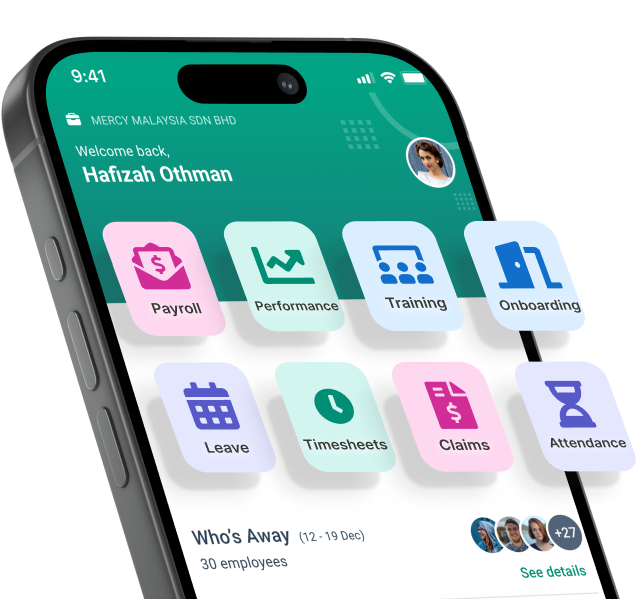
Want the full conversation on how HR can move from opinion to proof, from support to strategy, and from cost centre to value driver. Watch the full episode of withBrio.
To learn more about how brioHR can transform your HR processes, check out BrioHR’s website or request a demo.