7 HR FAQs You Were Too Afraid to Ask

Key Takeaways
- Many HR challenges arise from unclear policies, making strong documentation and processes essential.
- Fair disciplinary procedures protect both employees and organizations from legal risk.
- Transparent recruitment and compensation practices strengthen employer trust and credibility.
- HR leaders should focus on solving underlying workplace issues rather than reacting defensively to feedback.
- Strong HR governance allows organizations to handle sensitive situations consistently and professionally.
HR professionals regularly face difficult or uncomfortable questions — from employee discipline to salary transparency and resignation disputes. Many of these issues sit in a grey area between policy, legal compliance, and practical workplace management.
While these questions may seem sensitive, addressing them properly is essential for maintaining trust, fairness, and operational stability within an organization.
Below are some of the most common HR questions people hesitate to ask, along with practical guidance for handling them effectively.
The best HR teams focus on employee experience, not just compliance.
1. Under What Circumstances Can HR Dismiss an Employee?
Employee termination is a sensitive matter that must be handled carefully to avoid claims of unfair dismissal. In most cases, employers must show valid reasons and follow proper disciplinary procedures before ending an employment contract.
HR teams should ensure the following steps are taken:
- Documenting performance issues or misconduct clearly
- Issuing formal warnings or notices when necessary
- Providing employees with an opportunity to improve through a performance improvement plan (PIP)
Following a structured disciplinary process helps organizations protect themselves legally while maintaining fairness in the workplace.
2. What Is a Show Cause Letter?
A show cause letter is a formal document issued by an employer asking an employee to explain their actions after an alleged policy violation or misconduct.
Typically, a show cause letter includes:
- A description of the alleged misconduct or incident
- The date and circumstances surrounding the issue
- A deadline for the employee to submit their explanation
This process allows employees to present their side of the story before any disciplinary action is taken.

3. Can Employees Refuse to Work Overtime?
Overtime requests are common in many organizations, but employees may decline them under certain circumstances, especially if they have valid personal or family commitments.
HR teams should consider several factors when handling overtime refusals:
- Whether the overtime request is reasonable
- Whether the employee has a valid reason for declining
- Whether the refusal significantly impacts business operations
Clear overtime policies can help ensure expectations are understood by both employees and management.
4. Can Employees Refuse to Work in the Office?
As hybrid and remote work become more common, some employees may request to continue working remotely instead of returning to the office.
Organizations should manage these situations by:
- Allowing employees to formally request flexible work arrangements
- Evaluating the request based on business needs and job responsibilities
- Providing a clear written response if the request is approved or denied
Handling flexible work requests transparently helps maintain trust and fairness within the organization.
5. How Can HR Verify a Candidate’s Qualifications?
Ensuring the authenticity of a candidate’s qualifications is an important step in the hiring process, especially for roles that require specialized skills or certifications.
HR teams can verify candidate credentials by:
- Contacting educational institutions to confirm qualifications
- Conducting reference checks with previous employers
- Using third-party background screening services
Combining verification with practical assessments can help organizations make more confident hiring decisions.
6. Do Employers Need a Candidate’s Previous Salary?
Some employers request previous salary information during the hiring process, but candidates are generally not legally required to disclose it.
Instead, HR leaders should determine compensation based on:
- Market salary benchmarks for similar roles
- The candidate’s experience and qualifications
- The company’s internal salary structure
Focusing on market value rather than past salary helps promote fair and competitive compensation practices.
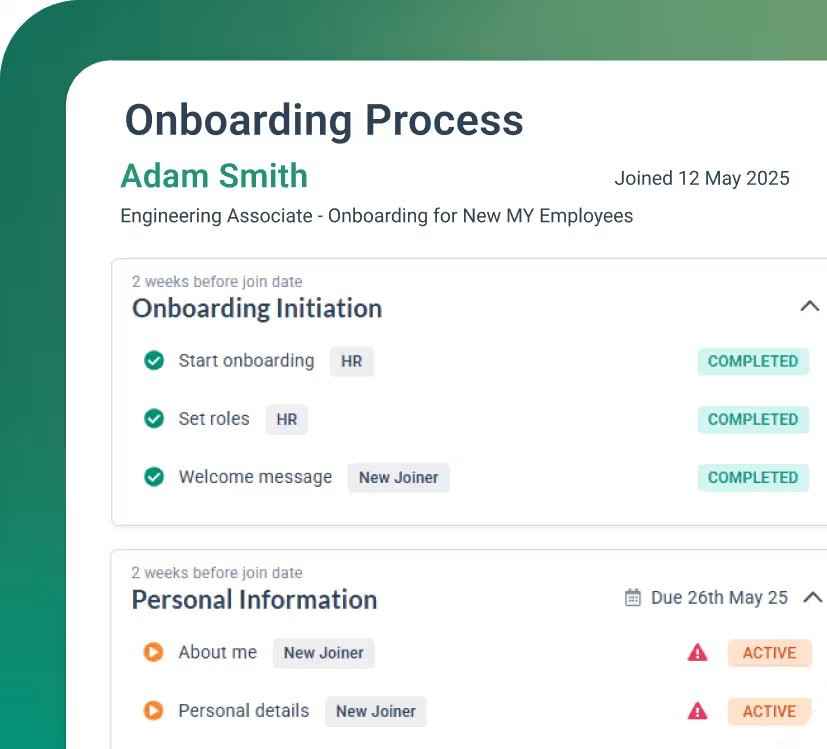
Set new hires up for success from day one
Turn onboarding into a clear, structured process that works for HR, managers, and new hires.
7. What Should HR Do About Negative Employer Reviews?
Online reviews about workplace culture can influence an organization’s employer brand and recruitment efforts.
HR teams should respond to negative feedback by:
- Identifying recurring themes or concerns in reviews
- Investigating legitimate workplace issues internally
- Addressing problems through improvements in policy or culture
Constructive responses to feedback demonstrate transparency and commitment to continuous improvement.
8. What Happens If an Employee Refuses to Serve Their Notice Period?
Employment contracts typically require employees to serve a notice period before leaving the company.
If an employee cannot complete their notice period, possible alternatives include:
- Negotiating an earlier release date
- Using remaining annual leave to offset the notice period
- Paying a salary equivalent to the notice period (notice buyout)
Mutual agreement between employer and employee can help ensure a smoother transition.
Documented processes help HR teams respond consistently, reduce legal risk, and ensure managers across the organization handle employee issues in a fair and standardized way.
9. What If an Employee Resigns and Goes AWOL?
When an employee resigns but fails to serve their notice period or stops reporting to work without notice, it can create operational disruptions.
HR teams can address this situation by:
- Sending formal communication requesting clarification
- Issuing a letter of demand if contractual obligations are breached
- Recovering company assets or outstanding payments
Handling these cases carefully helps maintain professionalism and contractual accountability.
10. How Should HR Determine Salary Ranges for Hiring?
Salary benchmarking helps organizations remain competitive when attracting and retaining talent.
HR teams should evaluate several factors when determining salary ranges:
- Industry benchmarks and labor market data
- Job responsibilities and required skills
- Company size, budget, and compensation strategy
A structured salary framework ensures fairness and consistency across the organization.
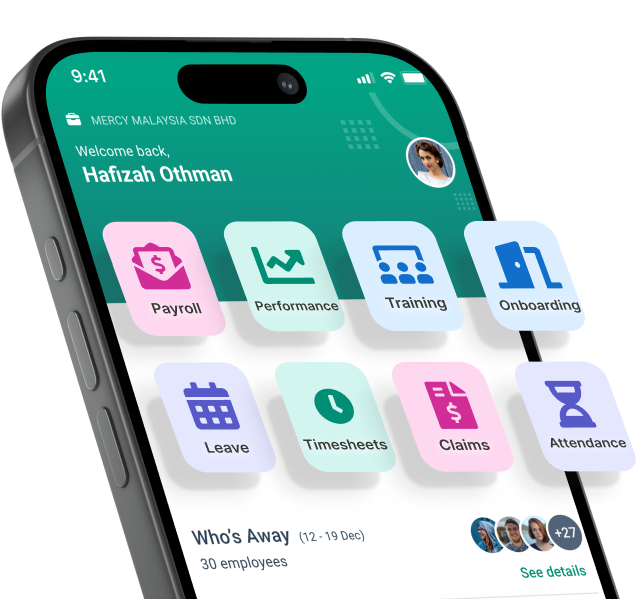
Everything HR.
One login
From payroll to onboarding, brioHR gives you everything you need in one place. Built for busy teams. Backed by people who care.
11. Do Companies Need to Conduct Drug Testing?
Drug testing policies vary depending on industry requirements and workplace safety considerations.
Organizations may implement testing policies in situations such as:
- Safety-sensitive roles or high-risk work environments
- Suspicion of substance abuse affecting job performance
- Employment contracts that include drug testing provisions
Employers should ensure that any testing policies comply with local employment laws and employee consent requirements.
12. Can Sick Leave or Parental Leave Be Prorated?
Leave entitlements such as sick leave or parental leave are often governed by employment laws and statutory regulations.
HR teams should review the following when managing leave policies:
- Local labor laws regarding statutory leave entitlements
- Company policies on additional or enhanced leave benefits
- Employment contracts specifying leave eligibility
Ensuring compliance with legal requirements helps organizations avoid disputes and maintain fair policies.
Conclusion
- Effective HR leadership requires balancing compliance, fairness, and practical decision-making.
- Clear policies and structured processes help organizations navigate complex workplace issues confidently.
- HR teams that address difficult questions proactively build stronger cultures of trust and accountability.