How to Run an Employee Wellbeing Pulse Survey
Key Takeaways
- Pulse surveys are short, frequent surveys used to measure employee wellbeing and engagement.
- They help organizations identify issues like stress, burnout, and low morale early.
- Effective surveys are short, focused, and anonymous to encourage honest feedback.
- The insights help HR improve workplace culture and employee experience.
- Acting on survey results builds trust and increases employee engagement.
Employers can learn a lot about employee sentiment by using pulse surveys. In recent years, they have become an important tool for monitoring employee wellbeing and engagement in the workplace.
By routinely assessing staff wellness, organizations can create stronger employee engagement and build healthier workplaces. Research has even shown that happier employees are significantly more productive.
Whether your organization already runs wellbeing initiatives or is planning to introduce them, employee pulse surveys can help determine what matters most to your workforce. These surveys provide valuable insights that allow HR teams to identify challenges, improve workplace culture, and support employee wellbeing..
Take care of your employees and they’ll take care of your business.
What Is an Employee Pulse Survey?
A pulse survey is a short, quick survey designed to gather regular feedback from employees about their experience at work.
Traditionally, organizations relied on long annual employee engagement surveys. While those surveys can provide useful insights, they are often lengthy and conducted only once per year.
Pulse surveys are different.
They are:
- Short and focused
- Conducted regularly (monthly or quarterly)
- Designed to capture real-time employee sentiment
Because they are brief, employees can share their feedback quickly without experiencing survey fatigue. This allows HR teams to continuously monitor workplace wellbeing and engagement.
Why Businesses Should Run Employee Pulse Surveys
Employee engagement is a top priority for HR professionals. Engaged employees contribute to a stronger employer brand, lower staff turnover, and higher productivity.
Pulse surveys provide a simple way to measure engagement and employee satisfaction.
When employees feel that their voices are heard, they feel valued. And when employers actively listen and respond, engagement levels rise.
Employee pulse surveys can:
- Act as an early warning system for HR metrics such as employee satisfaction or loyalty
- Measure the effectiveness of new initiatives or company policies
- Help organizations understand how employee feedback connects to broader business outcomes such as customer satisfaction or productivity
When conducted regularly, pulse surveys also demonstrate that the organization values employee opinions and is committed to improving workplace wellbeing.

Measuring Employee Wellbeing Through Surveys
An employee wellbeing pulse survey focuses on understanding the factors that influence employee health, stress levels, and overall workplace experience.
Organizations can measure many metrics such as turnover, productivity, or absenteeism. However, these metrics alone cannot fully explain why employees feel a certain way.
Pulse surveys allow companies to gather direct feedback from employees about:
- Workload and stress levels
- Team relationships and collaboration
- Management support
- Workplace culture
This type of insight helps leaders identify the root causes of issues and implement meaningful improvements.
Best Practices for Running Employee Pulse Surveys
To ensure your pulse surveys provide useful insights, it is important to follow several best practices.
1. Define Clear Survey Objectives
Before launching a survey, determine what aspect of employee wellbeing you want to measure. This ensures the survey questions remain focused and meaningful.
2. Keep the Survey Short
Pulse surveys should take no more than a few minutes to complete. A typical survey may include between five and fifteen questions. Short surveys increase response rates and reduce survey fatigue.
3. Communicate With Employees
Employees should understand why the survey is being conducted and how the results will be used. Transparency helps build trust and encourages participation.
4. Ensure Anonymity and Confidentiality
Employees are more likely to provide honest feedback if they feel their responses are anonymous and secure.
5. Use a Mix of Question Types
Closed-ended questions such as rating scales provide easy-to-analyze quantitative data. Open-ended questions allow employees to share more detailed feedback. Using both types creates a more balanced view of employee sentiment.
6. Make Questions Relevant
Ensure the questions are relevant to your organization and the issues you want to address. Avoid asking questions that are not actionable.
7. Act on the Results
Perhaps the most important step is taking action based on survey results. When employees see that their feedback leads to real improvements, they are more likely to participate in future surveys.
Tips on Crafting Effective Pulse Survey Questions
When running pulse surveys, asking the right questions is essential.
To get meaningful responses, HR teams should follow a few guidelines:
Keep It Short
Pulse surveys are meant to be quick and focused. Limiting the survey to only a few questions can prevent survey fatigue and improve response rates.Pulse surveys are meant to be quick and focused. Limiting the survey to only a few questions can prevent survey fatigue and improve response rates.
Keep It Frequent
Pulse surveys are designed to be conducted regularly. Instead of running a long survey once per year, organizations can gather feedback frequently and monitor trends over time.
Make It Relevant
Every question should have a clear purpose. Focus on topics that directly affect employee experience and workplace wellbeing.
Focus on Actionable Insights
Questions should generate feedback that can lead to improvements. Employees are more engaged when they see that their feedback leads to real change.
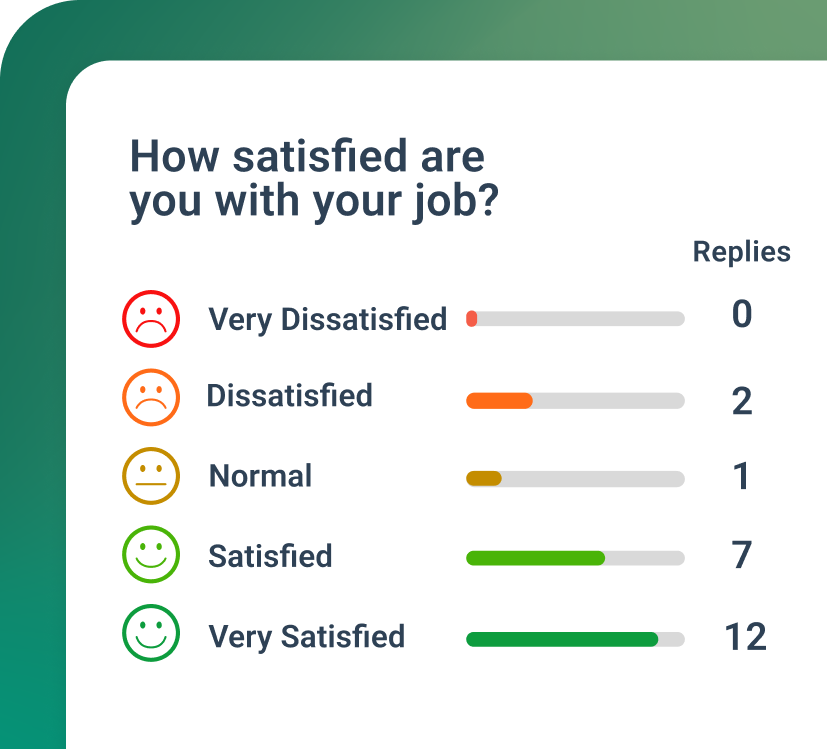
Experience simple pulse surveys
With automated pulses, real-time insights, and anonymous feedback, brioHR helps you understand employees and boost engagement faster.
40+ Employee Pulse Survey Questions (engagement)
Questions to Check Engagement Levels
- I care about the future of this organization.
- I am willing to put in extra effort on behalf of the organization.
- I have a sense of pride in working here.
- I would recommend this organization as a good place to work.
Questions About Leadership
- I trust the leaders of this organization.
- The leaders of this organization are doing the right thing.
- My direct supervisor is open and honest with me.
- Leadership is fostering a positive work culture.
Questions on Work Satisfaction
- My work is valued and appreciated.
- I feel empowered in my role.
- I have the resources and tools necessary to perform my job.
- I have the freedom to make decisions in my role.
Questions About Colleagues
- I feel supported by my colleagues.
- I have a strong working relationship with my team members.
- My colleagues help me achieve my goals.
- I feel comfortable collaborating with others.
Questions on Growth and Development
- I am given opportunities to develop my skills.
- My manager discusses career development with me regularly.
- I am satisfied with the company’s training programs.
- I would like more opportunities for professional growth.
Questions on Diversity and Inclusion
- My organization values diverse opinions and ideas.
- My opinions are heard at work.
- People of all backgrounds are treated equally.
- The workplace is inclusive and welcoming.
Questions About Employee Benefits
- I understand the benefits available to me.
- The benefits offered meet my needs and my family’s needs.
- I am satisfied with the current benefits package.
- The benefits offered are competitive within the industry.
Questions on Work-Life Balance
- My workload is manageable.
- I am able to maintain a healthy work-life balance.
- My work schedule allows flexibility when needed.
- I rarely work outside of normal working hours.
Questions on Recognition and Appreciation
- My contributions are recognized by the organization.
- My manager acknowledges my work.
- Important milestones are celebrated.
- Employees are recognized fairly.
Questions About Internal Communication
- I understand the organization’s goals and objectives.
- Information is shared clearly and in a timely manner.
- I can voice concerns openly.
- Communication between teams is effective.
Questions on Innovation
- The organization is open to new ideas.
- Employees are encouraged to propose improvements.
- The company adopts new technology effectively.
- The workplace encourages innovation.
30+ Employee Wellbeing Pulse Survey Questions (health & stress)
General Wellbeing
- How would you rate your overall health and wellbeing?
- How often do you exercise each week?
- Are you able to eat balanced meals regularly?
- How many hours of sleep do you get per night?
- Would you participate in company fitness activities?
Work-Life Balance
- How would you rate your work-life balance?
- Do you often feel stressed at work?
- Are you able to take sufficient breaks during the day?
- How often do you work outside normal hours?
- Are you able to spend enough time with family?
Workload and Corporate Culture
- Do you feel comfortable discussing workload with your manager?
- Are flexible work arrangements available?
- Do you feel comfortable raising concerns with colleagues?
- Do you sometimes feel burnout?
- Do you feel a sense of belonging at the organization?
Employee Benefits
- Are you aware of all benefits available to you?
- Do you know how to access these benefits?
- Does your manager support you in using these benefits?
- Do company benefits support your wellbeing?
Stress and Mental Health
- How often do you feel stressed?
- Do you have tools to support your mental health?
- Do you have someone to talk to about work stress?
- Does the organization support mental health effectively?
- How happy are you working here?
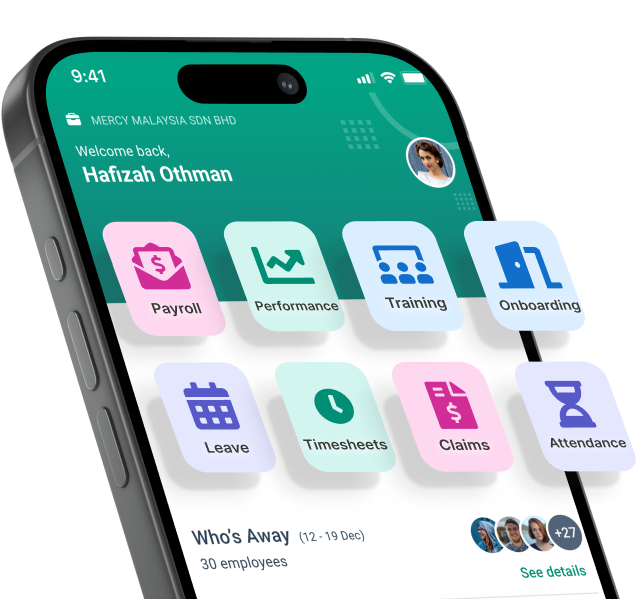
Everything HR.
One login
From payroll to onboarding, brioHR gives you everything you need in one place. Built for busy teams. Backed by people who care.
Turning Survey Results Into Action
Collecting employee feedback is only the first step. The real value comes from acting on the insights gathered.
HR teams should:
- Analyze survey results to identify trends
- Share findings with leadership and employees
- Develop action plans to address issues
- Monitor improvements through future pulse surveys
When employees see that their feedback leads to meaningful change, participation and trust increase significantly.
Conclusion
- Employee wellbeing pulse surveys give HR leaders real-time insight into how employees truly experience the workplace.
- Regular feedback helps organizations identify risks early and respond before engagement or productivity declines.
- Short, well-designed surveys make it easier to track trends and understand what employees need to perform at their best.
- The real impact comes when organizations translate survey insights into meaningful actions and workplace improvements.
- By consistently listening and responding to employees, HR leaders can build a healthier, more engaged, and resilient workforce.
Run Your Employee Pulse Survey With brioHR
Once you have the right questions and strategy in place, the next step is deploying your pulse survey.
With brioHR’s pulse survey module, HR teams can quickly collect feedback and analyze employee sentiment through an easy-to-use platform.
The platform supports the entire employee lifecycle, including recruitment, onboarding, payroll, performance management, and analytics. This allows organizations to focus on what matters most building a healthy, engaged workforce.
To learn more about how brioHR can transform your HR processes, check out BrioHR’s website or request a demo.