5 Tips to Engage Your Employees Better
Key Takeaways
- Employee engagement improves when employees clearly understand how their work contributes to the organization’s mission and success.
- Strong workplace relationships create a collaborative environment where employees feel supported and motivated.
- A positive and comfortable work environment plays a key role in maintaining productivity and overall job satisfaction.
- Trust and autonomy empower employees to take ownership of their work and drive better performance.
- Consistent recognition reinforces engagement by making employees feel valued for their contributions.
Employee engagement is often misunderstood. Just because employees are satisfied with perks or compensation does not mean they are truly engaged with their work.
True engagement happens when employees feel both emotionally and rationally committed to their organization’s goals. When employees believe their work matters and contributes to something meaningful, they naturally invest more effort, creativity, and energy into achieving results.
For HR leaders, improving engagement is not just about offering benefits or organizing occasional team activities. It requires building an environment where employees feel valued, trusted, and empowered to do their best work.
People thrive when they know their work matters.
Why Truly Engaged Employees Find Personal Accomplishment in Their Work
Highly engaged employees don’t just complete tasks — they find meaning and satisfaction in the work they do. When people feel that their contributions make a difference, work becomes more than a routine responsibility.
Employees who experience personal accomplishment at work often demonstrate:
- Stronger motivation and productivity
- Higher levels of creativity and innovation
- Greater commitment to company goals
- Lower likelihood of burnout or disengagement
For organizations, this level of engagement leads to stronger performance, healthier workplace culture, and better retention.
Creating this kind of environment requires intentional effort from HR teams and leadership. By focusing on trust, recognition, collaboration, and workplace well-being, companies can build teams that feel genuinely connected to their work.
Below are five practical strategies HR leaders can implement to foster deeper employee engagement.
Over time, these small but consistent touchpoints can significantly improve employee engagement.
1. Give Employees a Sense of Impact
Employees are more motivated when they clearly understand how their work contributes to the bigger picture. When people see the real impact of their efforts — whether it’s improving customer experiences, supporting colleagues, or driving company growth — they develop a stronger sense of ownership.
HR leaders can encourage this by:
- Sharing company goals and progress regularly
- Encouraging open discussions and idea sharing
- Connecting individual roles to organizational outcomes
When employees see how their work contributes to success, engagement naturally increases.
2. Build Strong Workplace Relationships
Workplace relationships play a significant role in employee engagement. Employees who feel connected to their colleagues and managers are more likely to collaborate effectively, communicate openly, and stay motivated in their roles.
HR leaders can strengthen workplace relationships by:
- Encouraging cross-team collaboration and knowledge sharing
- Creating opportunities for informal team interactions
- Promoting open communication between managers and employees
A workplace built on strong relationships creates trust and psychological safety, allowing employees to share ideas, ask for help, and work together more effectively.
Make performance management effortless
Streamline goals, reviews, and feedback in one flow—so managers can focus on real performance conversations.

3. Create a Positive and Comfortable Work Environment
Employees spend a large portion of their day at work, so the environment they work in can greatly influence their motivation and well-being. A well-designed workspace can support focus, creativity, and overall job satisfaction.
Organizations can improve the work environment by:
- Providing comfortable and well-lit workspaces
- Designing quiet areas for focused work
- Creating shared spaces for collaboration and informal discussions
When employees feel comfortable and supported in their work environment, they are more likely to stay engaged and productive throughout the day.
4. Build Trust Through Autonomy
Trust is one of the most important drivers of employee engagement. When employees are trusted to manage their work and make decisions, they feel respected and empowered to take ownership of their responsibilities.
Leaders can build trust and autonomy by:
- Setting clear goals and expectations for outcomes
- Allowing flexibility in how work is completed
- Encouraging employees to take initiative and solve problems independently
Providing autonomy helps employees feel more confident in their abilities while encouraging innovation and accountability within teams.
5. Recognize and Appreciate Contributions
Recognition remains one of the most powerful drivers of employee engagement. Employees want to know their efforts are noticed and valued by their managers and the organization.
HR leaders can strengthen recognition practices by:
- Providing regular and constructive feedback
- Celebrating team achievements and milestones
- Acknowledging individual contributions during meetings or internal communication channels
Consistent recognition reinforces motivation and helps build a workplace culture where employees feel valued and appreciated.
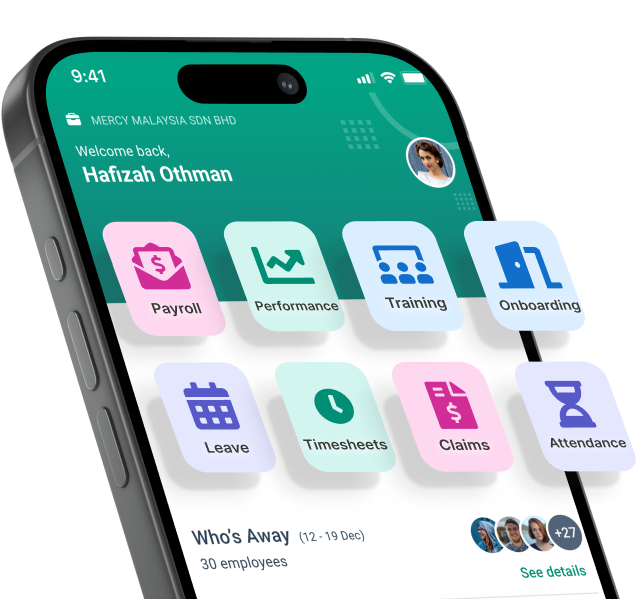
Everything HR.
One login
From payroll to onboarding, brioHR gives you everything you need in one place. Built for busy teams. Backed by people who care.
Conclusion
- Employee engagement grows when organizations create an environment built on trust, recognition, and meaningful work.
- HR leaders play a crucial role in shaping cultures where employees feel empowered and connected to company goals.
- Small but consistent engagement practices often have a bigger impact than occasional large initiatives.
- Companies that prioritize engagement build teams that are more productive, resilient, and committed to long-term success.
To learn more about how brioHR can transform your HR processes, check out BrioHR’s website or request a demo.