Continuous Learning Through Continuous Improvement: Growth Without Excuses
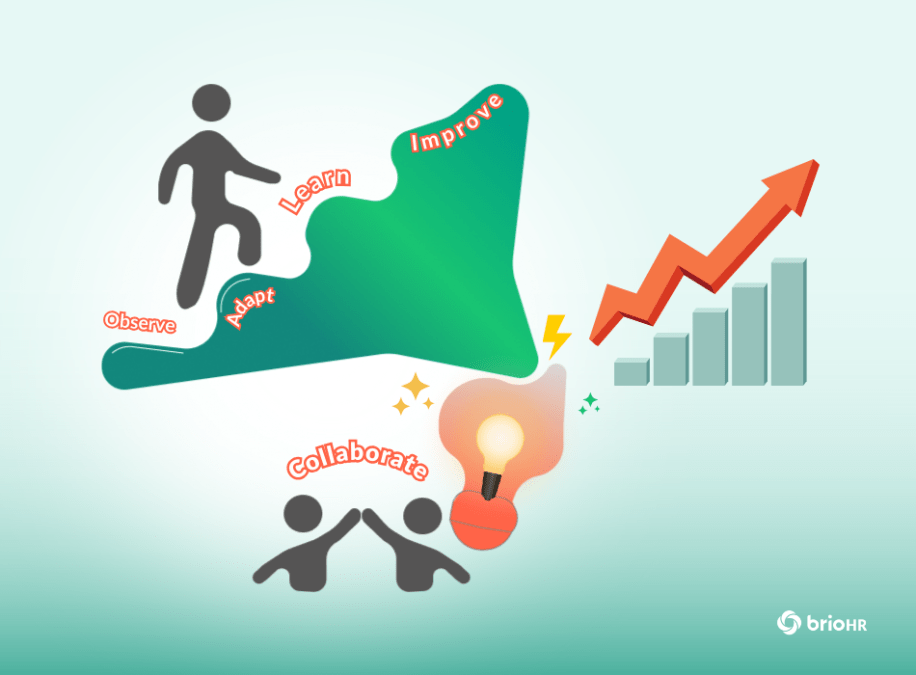
For growth to happen, we must improve on what was done before. Whether it’s a company staying competitive or an individual advancing their career, growth is built on continuous improvement. But here’s a truth many overlook: improvement itself is one of the most effective ways to learn.
You don’t need formal classes or big budgets to grow. Every improvement—whether tweaking a workflow or solving a problem—teaches valuable lessons. Continuous learning and continuous improvement are deeply connected. Together, they drive progress in small, meaningful steps.
In this article, we’ll show how small actions lead to big results. Let’s explore why formal training isn’t always the answer and how you can create a culture of everyday growth.
Bursting the Learning Bubble: Expectations vs. Reality
Many employees expect “learning and development” to mean expensive courses or certifications. For younger generations, these opportunities are often a deciding factor in choosing an employer. But formal training isn’t always the best solution.
The Expectation:
Formal training is seen as the gold standard for learning. Employees expect:
- High-cost programs led by “industry experts”.
- Structured lessons that provide step-by-step solutions.
- Knowledge that will revolutionise their work and career.
The Reality:
Formal training often falls short. It’s too general, quickly forgotten, and disconnected from real-world needs:
- Too general: Trainers teach broad frameworks, leaving employees unequipped for specific workplace challenges.
- Quickly forgotten: Research shows people forget 50% of new information within an hour, 70% in a day, and 90% within a week.
- Disconnected: Every company has unique processes and challenges that formal training rarely addresses. Employees need hands-on experience to learn how to navigate these nuances.
The best knowledge isn’t found in classrooms. It’s gained through solving problems, learning from others, and improving as you work.
Small Steps, Big Lessons: Continuous Learning Through Improvement
Continuous learning doesn’t have to mean expensive programs or time away from work. Some of the most impactful lessons happen in daily tasks. Every improvement, no matter how small, teaches something new.
Examples from Daily Life:
Think about cooking at home. Over time, you might tweak a recipe, reorganise your kitchen, or pick up a tip from a friend or cooking show. These small adjustments don’t just make cooking easier—they teach valuable lessons. Over time, you’ll see the improvements, whether it’s through praises from your family or your children asking for seconds.
The same applies to work. Observing colleagues and adapting their methods can inspire new ways of working. But here’s where companies can take things a step further: while individual tweaks and improvements are invaluable, imagine the potential of learning directly from the best in your organisation. The seasoned professionals who’ve mastered their craft can provide insights that transform how teams work.
Every small improvement teaches something valuable. Growth doesn’t require a classroom—just curiosity and action.
Scaling Knowledge: From Mentorship to Bite-Sized Learning
While personal observation and adaptation are powerful tools, organisations can amplify this impact by systematising shared knowledge through bite-sized learning materials.
It’s great to have someone mentoring you at work, but let’s be realistic—mentorship has its limitations. A mentor can only guide a few individuals at a time, and their availability may be restricted by their own responsibilities. So why not take the initiative to create resources that can be shared with a larger audience? To scale learning across teams, companies need practical, accessible resources. Bite-sized learning materials make this possible.
How to Create Bite-Sized Learning Opportunities:
- Leverage Experts: Capture knowledge from experienced employees through quick videos or guides.
- Focus on Specifics: Each resource should tackle a single challenge or tip.
- Keep It Simple: A smartphone is often enough to create effective, shareable content.
- Make It Accessible: Use videos, infographics, or written guides that employees can access anytime.
- Encourage Sharing: Create a culture where employees contribute tips and lessons to support each other.
- Listen to Employee Needs: Allow employees to request topics they want to learn about. This ensures the resources created are practical and aligned with their challenges, increasing engagement and usage.
How BrioHR’s Training Management Module Can Help
Tracking and encouraging continuous learning is easier with the right tools. BrioHR’s Training Management Module helps companies manage training initiatives efficiently. From enrolling employees to tracking attendance, it provides a clear view of who’s taking the initiative to grow.
Managers can identify engaged learners, spot gaps in participation, and ensure training aligns with organisational goals. With BrioHR, continuous improvement becomes measurable, empowering both employees and companies to grow together.
Small steps like tracking attendance or enrolling in relevant courses can build a clearer picture of an organisation’s learning culture. These data points help leaders identify trends, highlight opportunities, and scale improvements effectively.
Growth in Action
Continuous learning and continuous improvement are two sides of the same coin. Small, consistent actions lead to big results over time.
Learning doesn’t require expensive programs or formal training. It happens when employees observe, adapt, and improve every day. By focusing on these small steps, companies and individuals can create a culture of growth that drives meaningful progress. Companies can encourage this by providing bite-sized learning materials that are practical, easily accessible, and directly relevant to employees’ daily tasks. Over time, these small contributions can grow into a gigantic library of training materials—another example of how small improvements can lead to something big.
As the new year approaches, there’s no better time to plan for growth. Start by embracing small changes that make a big difference. The lessons learned today will shape the successes of tomorrow.
For growth to happen, we must improve on what was done before. Whether it’s a company staying competitive or an individual advancing their career, growth is built on continuous improvement. But here’s a truth many overlook: improvement itself is one of the most effective ways to learn.
You don’t need formal classes or big budgets to grow. Every improvement—whether tweaking a workflow or solving a problem—teaches valuable lessons. Continuous learning and continuous improvement are deeply connected. Together, they drive progress in small, meaningful steps.
In this article, we’ll show how small actions lead to big results. Let’s explore why formal training isn’t always the answer and how you can create a culture of everyday growth.
Bursting the Learning Bubble: Expectations vs. Reality
Many employees expect “learning and development” to mean expensive courses or certifications. For younger generations, these opportunities are often a deciding factor in choosing an employer. But formal training isn’t always the best solution.
The Expectation:
Formal training is seen as the gold standard for learning. Employees expect:
- High-cost programs led by “industry experts”.
- Structured lessons that provide step-by-step solutions.
- Knowledge that will revolutionise their work and career.
The Reality:
Formal training often falls short. It’s too general, quickly forgotten, and disconnected from real-world needs:
- Too general: Trainers teach broad frameworks, leaving employees unequipped for specific workplace challenges.
- Quickly forgotten: Research shows people forget 50% of new information within an hour, 70% in a day, and 90% within a week.
- Disconnected: Every company has unique processes and challenges that formal training rarely addresses. Employees need hands-on experience to learn how to navigate these nuances.
The best knowledge isn’t found in classrooms. It’s gained through solving problems, learning from others, and improving as you work.
Small Steps, Big Lessons: Continuous Learning Through Improvement
Continuous learning doesn’t have to mean expensive programs or time away from work. Some of the most impactful lessons happen in daily tasks. Every improvement, no matter how small, teaches something new.
Examples from Daily Life:
Think about cooking at home. Over time, you might tweak a recipe, reorganise your kitchen, or pick up a tip from a friend or cooking show. These small adjustments don’t just make cooking easier—they teach valuable lessons. Over time, you’ll see the improvements, whether it’s through praises from your family or your children asking for seconds.
The same applies to work. Observing colleagues and adapting their methods can inspire new ways of working. But here’s where companies can take things a step further: while individual tweaks and improvements are invaluable, imagine the potential of learning directly from the best in your organisation. The seasoned professionals who’ve mastered their craft can provide insights that transform how teams work.
Every small improvement teaches something valuable. Growth doesn’t require a classroom—just curiosity and action.
Scaling Knowledge: From Mentorship to Bite-Sized Learning
While personal observation and adaptation are powerful tools, organisations can amplify this impact by systematising shared knowledge through bite-sized learning materials.
It’s great to have someone mentoring you at work, but let’s be realistic—mentorship has its limitations. A mentor can only guide a few individuals at a time, and their availability may be restricted by their own responsibilities. So why not take the initiative to create resources that can be shared with a larger audience? To scale learning across teams, companies need practical, accessible resources. Bite-sized learning materials make this possible.
How to Create Bite-Sized Learning Opportunities:
- Leverage Experts: Capture knowledge from experienced employees through quick videos or guides.
- Focus on Specifics: Each resource should tackle a single challenge or tip.
- Keep It Simple: A smartphone is often enough to create effective, shareable content.
- Make It Accessible: Use videos, infographics, or written guides that employees can access anytime.
- Encourage Sharing: Create a culture where employees contribute tips and lessons to support each other.
- Listen to Employee Needs: Allow employees to request topics they want to learn about. This ensures the resources created are practical and aligned with their challenges, increasing engagement and usage.
How BrioHR’s Training Management Module Can Help
Tracking and encouraging continuous learning is easier with the right tools. BrioHR’s Training Management Module helps companies manage training initiatives efficiently. From enrolling employees to tracking attendance, it provides a clear view of who’s taking the initiative to grow.
Managers can identify engaged learners, spot gaps in participation, and ensure training aligns with organisational goals. With BrioHR, continuous improvement becomes measurable, empowering both employees and companies to grow together.
Small steps like tracking attendance or enrolling in relevant courses can build a clearer picture of an organisation’s learning culture. These data points help leaders identify trends, highlight opportunities, and scale improvements effectively.
Growth in Action
Continuous learning and continuous improvement are two sides of the same coin. Small, consistent actions lead to big results over time.
Learning doesn’t require expensive programs or formal training. It happens when employees observe, adapt, and improve every day. By focusing on these small steps, companies and individuals can create a culture of growth that drives meaningful progress. Companies can encourage this by providing bite-sized learning materials that are practical, easily accessible, and directly relevant to employees’ daily tasks. Over time, these small contributions can grow into a gigantic library of training materials—another example of how small improvements can lead to something big.
As the new year approaches, there’s no better time to plan for growth. Start by embracing small changes that make a big difference. The lessons learned today will shape the successes of tomorrow.