5 Things That May Trip You Up About Employee Probation in Malaysia

Key Takeaways
- Probationary periods in Malaysia are not legally defined under the Employment Act 1955 and are instead governed by the employment contract.
- Employers should clearly outline probation terms such as duration, notice periods, and employee entitlements within the employment agreement.
- Employees on probation must be formally confirmed or terminated, as there is no automatic confirmation under Malaysian law.
- Probationers still have employment rights, meaning employers cannot terminate them without just cause and proper performance evaluation processes.
- HR software like BrioHR helps businesses manage onboarding, monitor probation periods, and streamline employee confirmation processes more efficiently.
You’ve found your ideal candidate, they’ve signed on the dotted line, and they’re getting ready for their first day in the office.
What comes next is the probationary period. It’s more or less standard practice in Malaysian companies for new employees to undergo probation, which can last from one to six months, depending on position and seniority. At the end of probation, the employee’s manager will review their performance.
The purpose of the probationary period is to determine whether a candidate is qualified for the position and a suitable match for the organization. If everything is fine, the new recruit will be confirmed as a full employee. If not, their probationary period may be extended.
Though probationary periods are common, there are many things that can confuse employers and employees alike. Here are five things that may trip you up about probation in Malaysia.

“When people go to work, they should not have to leave their hearts at home.”
1. There Is No Legal Definition of a ‘Probationer’ or ‘Probationary Period’
Nowhere in the Employment Act 1955 does it say anything about probation. In fact, probation isn’t even a legal requirement – you can ‘confirm’ an employee straight away and it makes no difference.
2. Probation Is Defined by the Employment Contract
Since there is no mention of ‘probation’ anywhere in legislation, the terms of an employee’s probation will be determined by their employment contract. This includes the length of the probation period, the notice period, as well as any differences in entitlements (e.g. leave entitlements) from confirmed employees.
3. You Need to Confirm Your Employees on Probation
Since there is no such thing as 'probation' under Malaysian law, there is also no such thing as automatic confirmation. Technically, probationers will still remain under probation until confirmed or terminated – even after their contractual probation period has ended.
It’s a precarious situation to be in, as no one can be sure about their status and entitlements. This is also why a confirmation letter is vital. It is best for employers to keep track of employees’ probationary periods, and for employees also to remind HR about confirmation.
4. Employers Cannot Simply Terminate a Probationer’s Employment
Like confirmed employees, probationers have certain employment rights. Employers cannot terminate an employee on probation without just cause. This means that a company cannot simply hire and fire probationers as and when it likes, for whatever excuse. If so, the probationer can bring a lawsuit for unfair dismissal.
In practice, companies would have to go through the termination process just like any other employee. For example, if the probationer exhibits poor performance, the employer will need to conduct a proper appraisal to inform the probationer about their performance. The appraisal needs to be in written form and signed by the probationer. There needs to be sufficient opportunity for the probationer to improve their performance, e.g. extension of their probation period.
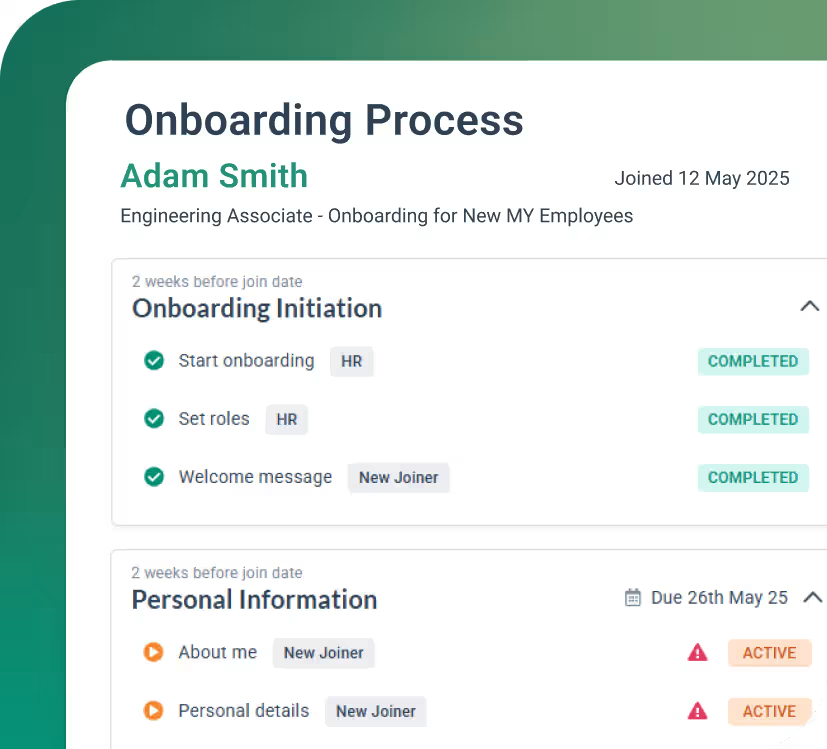
Set new hires up for success from day one
Turn onboarding into a clear, structured process that works for HR, managers, and new hires.
5. Probationers Are Eligible for Annual Leave
Here, we must state at the outset that there is a caveat. Probationers are eligible for annual leave – if the employment contract allows for it. It is usual practice in some companies for probationers to be denied paid annual leave, which is stated in the employment contract.
However, the leave benefits in the Employment Act 1955 apply to the following categories of employees, regardless of probationary status:
- Employees earn a monthly salary of RM2,000 or less. The amendments to the Employment Act 1955 will change this threshold to RM4,000 or less, taking effect on 1 January 2023.
- Employees who are engaged in manual labour, regardless of salary.
- Domestic servants.
- Other categories of employees within the First Schedule of the Employment Act.
Take Charge of Probation and Confirmation with BrioHR
Recruitment and onboarding can be an intricate process. What’s more, if you’re expanding your business, keeping track of multiple new joiners can be daunting.
With BrioHR’s onboarding module, you can make the right first impression on your new recruits, improving employee engagement, productivity, and retention right from the get go. You can also monitor their probation periods closely, with automated notifications to remind you when their confirmation is due.
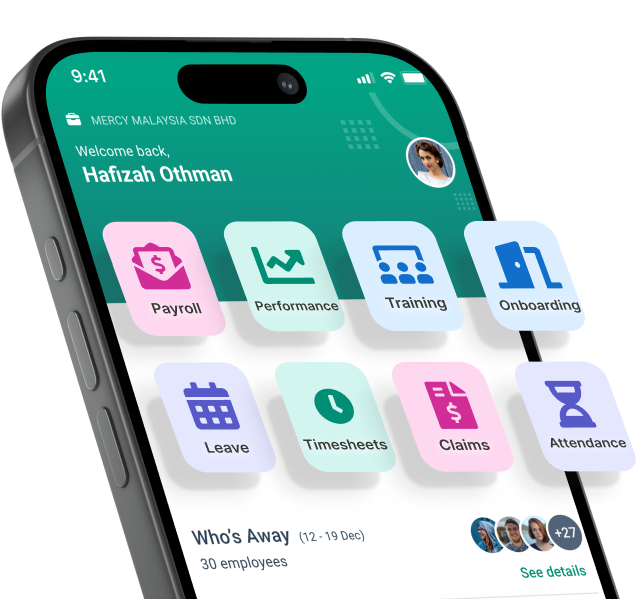
With 9 powerful modules, BrioHR’s software covers the entire employee journey from recruitment to onboarding, payroll and claims, to performance and analytics, and more.
This enables business owners and HR teams to truly focus on what matters most – people.
Visit briohr.com and get a free demo now.
Everything HR.
One login
From payroll to onboarding, brioHR gives you everything you need in one place. Built for busy teams. Backed by people who care.
Conclusion
- Probationary periods play an important role in helping employers assess whether new hires are the right fit for the organisation.
- Since probation is governed primarily through employment contracts in Malaysia, businesses should ensure terms and expectations are clearly documented.
- Employers must manage probation carefully by conducting proper evaluations, providing feedback, and following fair employment practices.
- Keeping track of probation timelines and employee confirmations manually can become difficult as businesses grow and onboard more employees.
- BrioHR helps organisations streamline onboarding and probation management so HR teams can focus on building stronger employee experiences.
To learn more about how brioHR can transform your HR processes, check out BrioHR’s website or request a demo.