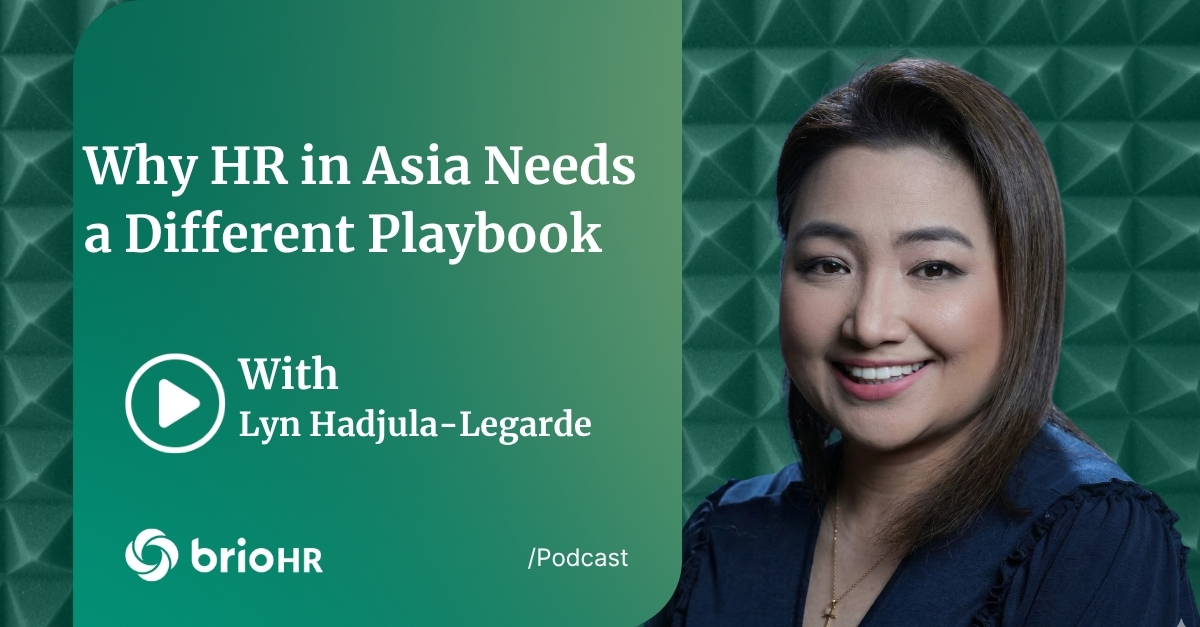
Lyn Hadjula-Legarde: HR, Bias, and the Future of Leadership in Southeast Asia
Key Takeaways
- It is a strange reality that Asia generates over 33% of global revenue for many companies while holding less than 4% of the leadership seats. This disconnect shows that many organizations are happy to take the region's profit but are still hesitant to trust the region's perspective at the highest levels of decision making.
- For decades, global companies have tried to "teach" Asian leaders to fit a specific Western mold of competency. The real transformation happens when the organization stops trying to change the person and instead starts "learning the language" of diverse leadership styles that actually reflect their global customer base.
- The fastest way to make HR irrelevant is to keep it transactional. To actually claim a seat at the table, HR must understand the bottom line as well as the CEO does, shifting the focus from simply "managing people" to actively shaping the company's performance and strategy.
For years, the global business landscape has operated with a jarring disconnect. In many multinational organizations, the Asian market contributes a massive portion of the revenue, sometimes upwards of 33%. Yet, when you look at the boardroom, Asian representation in global leadership roles often sits at less than 4%.

In Episode 14 of withBrio, Lyn Hadjula-Légarde brings a very different lens to this gap. She isn’t talking about HR as a support function sitting politely at the edge of the table. She is talking about HR as a force that shapes performance, challenges lazy thinking, and helps businesses grow without losing their humanity.
The Strategy Behind the Person
Lyn currently serves as the Cluster Human Resource Director for Nigeria and RoSSA. She is a People and Culture leader who treats strategy and transformation as a craft rather than a corporate checkbox. With a deep background in organizational research and business process redesign, she has become an influential voice for aligning regional talent with global opportunities. Her approach is rooted in team play and a genuine passion for diversity, equity, and sustainability. For Lyn, HR isn’t about the "people who handle the paperwork." It is about understanding the bottom line just as well as the CEO does.
The Asian Talent Paradox
One of the most striking moments in the discussion centers on a simple question: Why is there such a significant gap between business contribution and leadership representation? Lyn highlights that for decades, "leadership competencies" were often modeled after Western profiles. If a leader didn’t fit that specific mold, they were frequently overlooked for global roles. The shift we are seeing today isn’t just about teaching different regions to act Western. Instead, it is about global organizations finally learning to value diverse leadership styles that reflect their actual customer base.
HR should be every bit as analytical and data-driven as any other function. If you don't understand the business, you're just a person who does paperwork
Unconscious Bias is a Science and a Choice
We all have biases. It is a biological shortcut our brains take to process information. But as Lyn explains, while bias might be a scientific reality, letting it dictate hiring and promotion is a choice. The conversation dives into how leaders can move past comfortable hiring. To truly innovate, you have to talk to people who make you uncomfortable, the ones who challenge your perspective and bring a different cultural lens to the table. Lyn argues that the only way to diminish the role of HR is to allow it to remain transactional. The real work happens when HR leaders lean into the friction of transformation.
Moving from Transaction to Transformation
To move the needle, Lyn suggests focusing on three main areas:
* Performance over Presence: Shifting the focus from hours worked to the actual impact on the business.
* Strategic Reskilling: Identifying the skills needed for 2030, not just filling the gaps of today.
* Cultural Fluency: Building organizations where "Asians for Asians" or "Westerners for Westerners" is replaced by a truly global mindset."
Make performance management effortless
Streamline goals, reviews, and feedback in one flow—so managers can focus on real performance conversations.

If you’re a Leader or Founder:
Audit your leadership pipeline. Does your leadership team reflect the markets that drive your revenue? Challenge the idea of "Culture Fit." Instead of looking for people who fit in, look for people who add to the culture by bringing new perspectives. Embrace Augmented Intelligence to remove administrative friction and give your people more time for high value strategic work.
If you’re a Professional:
Develop Cultural Intelligence. The ability to navigate different cultural contexts is becoming a highly valuable skill in the global market. Own your transformation. Don’t wait for a training program. Instead, look for opportunities to lead projects that bridge regional and global teams. Be a human leader. As AI takes over technical tasks, your value lies in your ability to lead with empathy and social nuance.
Conclusion
- To move from transaction to transformation, HR must shift from hiring for "culture fit" which is often just a comfortable shortcut for unconscious bias, to hiring for "culture add." True strategic value isn't found in how well a new hire mirrors the existing team, but in the friction they create by bringing a different cultural lens or challenging the status quo. By prioritizing business impact over mere physical presence and reskilling for the needs of 2030 rather than today, HR practitioners can bridge the gap between regional talent and global leadership, turning human resources into a core driver of a truly global organization.
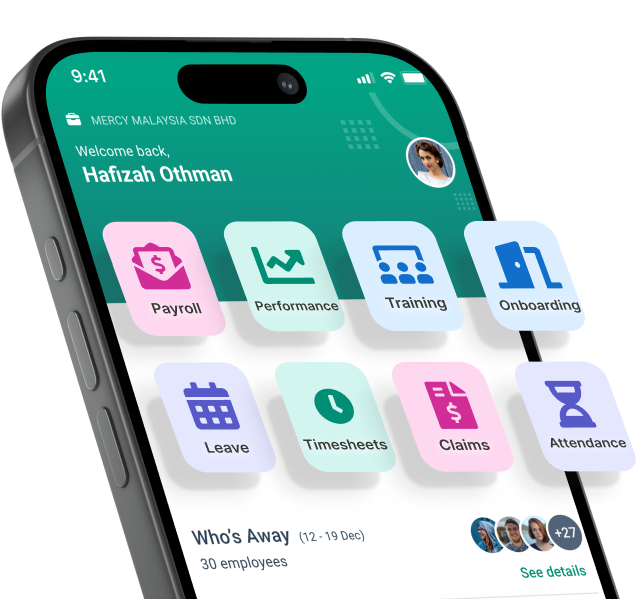
Everything HR.
One login
Cut the extra layers in your HR process. Keep what works, remove what doesn’t, and make everyday work easier for your team.
Want the full conversation on how HR can move from opinion to proof, from support to strategy, and from cost centre to value driver. Watch the full episode of withBrio.
To learn more about how brioHR can transform your HR processes, check out BrioHR’s website or request a demo.