How HR Can Start Routines, Reduce Burnout, and Improve Employee Engagement

Key Takeaways
- Wellness fails when it ignores reality, because employees are already tired, busy, and low on energy.
- Design for the majority, not the motivated few, because most employees are just trying to get through the week.
- If it’s not simple and easy to start, it won’t last, because habits break faster than they build.
- Wellness only becomes real when it’s measurable, because leadership responds to outcomes, not activities.
- Routine beats motivation, because consistency is what turns short-term effort into long-term change.
Corporate wellness sounds great on paper. In real life, it often lands like extra homework. A step challenge nobody finishes. A webinar nobody remembers. A yoga session that gets one good week, then vanishes 💨 And HR is left with the same ugly question. Was the wellness budget worth it?

In Episode 7 of withBrio, Paresh Subramaniyam, CEO of Engage Life, explains why most corporate wellness programs fail. It is not because employees do not care. It is because the program design ignores reality. People are tired. Time is tight. Habits are fragile. A big part of your workforce is already running on low battery. Paresh is not guessing. He has spent over 12 years in wellness, starting as a physiotherapist before building tech enabled workplace wellness programs. He is also a Muay Thai coach, which explains why he talks about discipline and routines like someone who actually lives it.
Why corporate wellness programs fail fast
People quit for three reasons:
1. They do not have time.
2. They do not know what to do.
3. They cannot afford it.
In a corporate setting, the word afford looks different. But the pattern stays the same. If a wellness program feels inconvenient, confusing, or disconnected from daily life, motivation disappears. Not next month. Next week.
The workforce segment HR keeps missing
Engage Life uses a wellness mindset assessment that categorises employees from tired survivor to wellness advocate. This matters because HR often designs wellness for the best case scenario. The motivated crowd. The already healthy group. The ones who will join anything. But if 60 percent of your workforce is stuck in tired survivor mode, your strategy has to change. These employees are not waiting for inspiration. They are surviving the week. Long emails will not move them. Optional events will not move them. Big lifestyle changes will not move them. What does work is short communication, simple actions, and manager support that makes participation feel safe and realistic.
If you want to form a habit, make it easy.
What makes leadership take wellness seriously
Wellness becomes real inside a business when it is measurable. Paresh explains that Engage Life tracks outcomes leadership actually respects, including medical leave, engagement scores, and health indicators. Here are examples mentioned:
Medical leave and claims reduction
One program in the financial sector reported a 54 percent reduction in medical leave with a three month outpatient focused intervention plus monitoring.
Health knowledge uplift
Participants improved their health and wellbeing knowledge by 81 percent.
Biometrics that show behaviour change
Markers include visceral fat, body fat percentage, muscle mass, and other indicators. This is not vanity. It is prevention. It is risk reduction. It is lowering the chance of future health costs.
Engagement scores over time
In one long term case, engagement scores moved from 64 percent to 91 percent over three years. The biggest factor was not a fancy app. It was leadership support.
How HR can design a wellness program that fits the company
Engage Life begins by aligning to company goals and agreeing on a small number of measurable metrics. Then they assess employee wellness mindsets and segment the population. This step changes everything. You stop guessing. You stop throwing random initiatives at people. You design for what your workforce actually needs.
A corporate wellness strategy needs two lanes. For leadership, it must align with strategy, KPIs, and business priorities. For employees, it must feel personal. That is where assessments and health markers help. People change faster when the need feels real.
Physical events matter. They create momentum. But they also exclude people. Introverts. Low energy employees. Parents. Anyone who cannot fit into a limited space at a fixed time. Hybrid programs can blend in person kickoffs, app based check ins, short learning content, webinars, and challenges that match modern attention spans.
When asked how to sustain change for 12 to 24 months, Paresh gives an answer that is refreshingly unsexy. Routine. Routine creates stability across work, family, health, and relationships. It makes behaviour automatic instead of dependent on motivation. Then discipline keeps it alive on hard days.
Make performance management effortless
Streamline goals, reviews, and feedback in one flow—so managers can focus on real performance conversations.

How HR can build routine across the organisation
Paresh outlines a practical approach HR teams can apply without overcomplicating it.
Step 1: Find a pain point Pain points might include retention issues, low performance, poor communication, rising medical claims, or increasing insurance premiums.
Step 2: Lead with genuine care When a company genuinely cares about its people, wellness stops being performative. It becomes culture.
Step 3: Co create instead of broadcasting Engage Life runs co creation groups so employees help shape the program. Those employees then become internal champions who drive participation naturally.
Step 4: Market the program like a product Clear reason. Clear benefit. Clear story. Most wellness programs fail because HR announces them like an admin memo.
Step 5: Begin with the end in mind Define what success looks like and when the program ends. Without an end goal, it becomes something we tried.
A mindset framework HR can use
When people say they have no time, Paresh shares a simple reframing model that helps build habits without overwhelming employees.
Start with easy. If it is not easy, people will not start. A short walk behind the office beats a gym across town.
Then better. Once the habit exists, improve the quality with a routine, a plan, or coaching.
Then faster. Increase frequency or support to accelerate results.
Then cheaper. Once knowledge is built, people can maintain it without paying for premium solutions.
Many people start with cheaper. That is the trap. Sustainable change usually starts with easy.
Conclusion
- Corporate wellness does not fail because employees are lazy. It fails because programs are built for a fantasy workforce. High energy. Unlimited time. Always motivated. If HR wants wellness that sticks, start with reality. Segment your workforce. Find the pain. Co create the solution. Build routines people can sustain. Measure outcomes leadership understands. That is how wellness becomes a business advantage, not a yearly experiment.
Everything HR.
One login
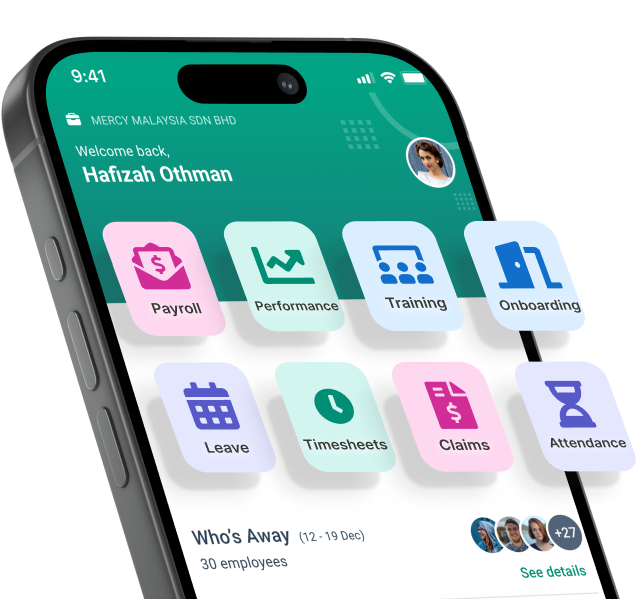
Cut the extra layers in your HR process. Keep what works, remove what doesn’t, and make everyday work easier for your team.
Want the full conversation on how HR can move from opinion to proof, from support to strategy, and from cost centre to value driver. Watch the full episode of withBrio.
To learn more about how brioHR can transform your HR processes, check out BrioHR’s website or request a demo.