David Heng: Heart, Fear, and Future of Work

Key Takeaways
- Organizations often suffer from a growing divide between high productivity and low human connection. When teams operate in "survival mode" to hit targets, they lose the capacity for creativity and collaboration, making the company fragile despite what the numbers say.
- Strategic HR moves away from reactive administration and toward building proactive structures that support the organization, the team, and the individual. By designing systems that prioritize wellbeing and performance equally, HR creates long-term organizational vitality.
- Change Through Invitation, Not Force Mechanical "rollouts" often trigger defensiveness and break trust within a team. Durable transformation starts with an invitation to participate, allowing employees to build real ownership over the change rather than just complying with a top-down mandate.
There’s a version of leadership that looks strong from the outside and still feels empty on the inside. The title is there, the results are there, and the strategy deck is polished, but underneath, something is off. Teams are busy, yet disconnected. Organizations are growing, yet somehow becoming more fragmented at the same time.

In this episode of withBrio, we explore these tensions with David Heng, MSOD, FOS Certified Practitioner, and founder of GLDAsia. David helps leaders use power with grace and reconnect performance with humanness in organizational life. His work focuses on leadership coaching, sustainable organizational cultures, and building leadership networks for succession. What makes his perspective especially compelling is his action research approach, which draws insight from the lived reality of clients instead of forcing generic solutions onto complex human systems. In this conversation, he challenges leaders to move beyond culture slogans and pay closer attention to the systems that actually shape behavior. For David, the real goal is coherence, aligning what leaders think, feel, and do with the overall health of the organization.
The real problem at work right now is fragmentation
This is the idea that lingers longest in the discussion. David describes fragmentation as the growing divide between doing more and feeling less connected to what is actually good for ourselves, our teams, and our families. Fragmentation is easy to miss when the numbers look acceptable. A company can still function and deadlines can still be met, but underneath, people may be operating in survival mode. When survival mode takes over:
* Creativity shrinks because there is no room for play.
* Curiosity shrinks because the focus is only on the immediate task.
* Collaboration shrinks because silos feel safer than sharing.
Leadership breaks when the head and heart stop talking
David highlights a common divide in leaders: the split between rational thinking and intuitive knowing. Many leaders are successful for a while with this internal divide, but eventually, it catches up with them as a sense of emptiness or reduced effectiveness. The question isn't just about what you are doing, but who you are being while you lead. When leaders become more whole and "coherent," the systems they build have a better chance of becoming healthy too. Leadership is not just a collection of competencies; it is the courage to bridge the gap between logic and empathy.
Leadership is not just about the size of your paycheck or your title. It’s about the soul of the leader and the impact they have on the hearts and minds of the people they lead
Psychological safety is an operational necessity
One of the sharpest points in the episode is the link between psychological safety and reality. David argues that without psychological safety, teams cannot access the truth of what is happening. People will protect themselves and filter their words to avoid tension. This means the organization loses access to reality precisely when it needs it most. Psychological safety isn't about making work "softer" or "nicer"—it’s about making work more real. If teams cannot speak honestly, your strategy gets weaker and your decisions are built on partial truths.
HR leaders create impact through "Systems of Care"
For HR professionals, this is the core of the discussion. David suggests that the best HR leaders build systems of care across three levels: the organization, the team, and the individual. Care is not a vague feeling; it is something embedded in design. This moves HR out of the realm of administration and into the realm of systems building. The HR leaders who matter most are shaping structures, incentives, and processes in ways that create vitality. They aren't just calling people once things go wrong—they are designing the system so things can go right.
Make performance management effortless
Streamline goals, reviews, and feedback in one flow—so managers can focus on real performance conversations.

Culture is what the system keeps rewarding
David is clear: culture is not an abstract idea or a poster on the wall. Culture is a set of norms that only become real when they are reinforced by systems and policies. A company cannot claim to value trust while rewarding fear. It cannot claim collaboration while structuring incentives around silos. Culture becomes believable only when the system behaves like it believes its own story. For HR, the work is to ensure that the "stated values" match the "rewarded behaviors."
Change starts with invitation, not force
Meaningful change cannot be imposed mechanically. David frames change as something that begins through invitation. While force may create movement, it often breaks trust and pushes systems into defensiveness. This is highly relevant for transformation efforts. Many fail not because the intent was wrong, but because the approach was too blunt. Durable change needs willingness and real conversation rather than just compliance and "rollouts." It’s about creating ownership at every level.
Technology scales work, but HR scales coherence
The discussion touches on AI and remote work, but with a grounded perspective. While technology can scale operations and connect talent across locations, it doesn’t automatically make people more aligned or courageous. Technology can make work faster, but it doesn't make it more meaningful. That is the bridge HR must build. The challenge is not just to modernize tools, but to revisit the purpose underneath the function. As work becomes more distributed, HR’s primary job is to scale the coherence and trust that technology cannot create on its own.
Conclusion
- To thrive in the future of work, leaders and HR practitioners must move beyond "culture slogans" and address the hidden trap of organizational fragmentation. True strategic impact isn't found in policing policies or hitting targets in "survival mode," but in building coherent "Systems of Care" that align rational logic with human empathy. By treating psychological safety as an operational necessity to access reality and ensuring that internal rewards actually match stated values, HR can evolve from a reactive administrative function into a powerful architect of vitality. Ultimately, leadership is an invitation to bridge the gap between performance and humanness, proving that when you strip away bureaucratic noise, you create a stage where both the business and its people can finally go further, together.
Everything HR.
One login
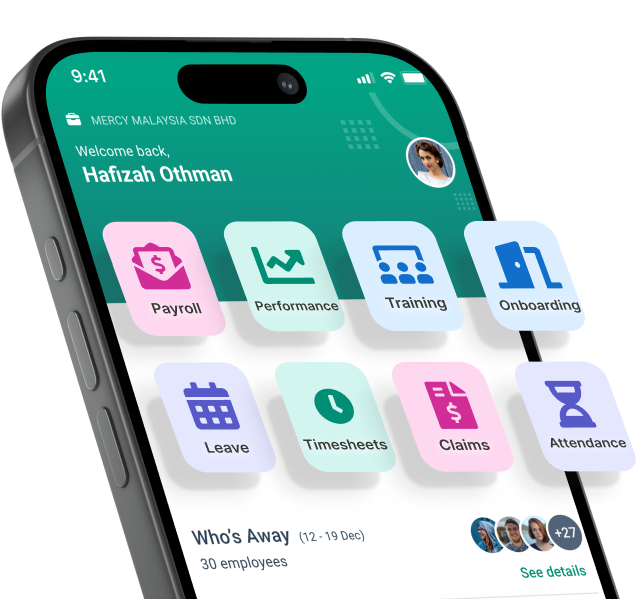
Cut the extra layers in your HR process. Keep what works, remove what doesn’t, and make everyday work easier for your team.
Want the full conversation on how HR can move from opinion to proof, from support to strategy, and from cost centre to value driver. Watch the full episode of withBrio.
To learn more about how brioHR can transform your HR processes, check out BrioHR’s website or request a demo.