Candidate Declines Job After Signing Offer Letter: What to Do?
Key Takeaways
- A signed offer letter can form a binding agreement if it includes clear and complete employment terms.
- When a candidate backs out before the start date, it is technically a breach but rarely worth pursuing legally.
- Proving financial loss in these cases is difficult, especially with standard probation periods in place.
- Focus on moving forward quickly by engaging backup candidates and keeping your hiring pipeline active.
- Strengthening your recruitment process and employer brand helps reduce drop-offs before day one.
You’ve found the employee of your dreams: they have the right experience, they impressed during the interview, and they’re ready to start once they’ve served their notice.
So, of course, you send them the offer letter and they sign it. However, before their start date, the candidate contacts you to say that they are declining the job offer, due to a better offer somewhere else.
For seasoned HR practitioners, this situation comes up fairly often. It can be a frustrating experience, so here’s what you need to know: what if a candidate declines the position before the start date, but after signing the offer letter?
All About the Offer Letter
Typically, the offer letter begins the relationship between the company and the candidate. The terms and conditions of the offer (e.g. salary, benefits etc) would have been negotiated – often verbally – beforehand. The offer letter puts it in black and white.
But the crux of the matter is: does the offer letter create a binding relationship between the employer and employee?
By creating a binding relationship, neither party can walk away from the relationship without paying a penalty. Ordinarily, this would take the form of monetary compensation.
And, to create a binding relationship, you need an employment contract. Is the offer letter equivalent to an employment contract?
Basically, according to Malaysia’s Employment Act 1955, an employment contract or ‘contract of service’ means “any agreement, whether oral or in writing and whether express or implied, whereby one person agrees to employ another as an employee and that other agrees to serve his employer as an employee.”
Based on this definition, the offer letter is more than sufficient to create a binding relationship of employment. However, a recent Industrial Court decision clarifies the position of the offer letter. The court ruled that:
- An offer of employment to the prospective employee does not mean that the employment relationship had actually started.
- The parties are free to create a new employment contract that will supersede the offer letter.
- However, in this case, the offer letter given to the employee was incomplete and did not contain crucial terms such as pay, annual leave, bonuses etc.
- Thus, the offer letter could not have ‘stood on its own’.
Essentially, we can say that if the offer letter sent to the candidate is complete with the necessary terms and conditions, it can indeed form a binding employment contract.
“Train people well enough so they can leave, treat them well enough so they don’t want to.”
So What Can You Do?
Technically, by declining the offer after signing the offer letter, the candidate has committed a breach of contract. The company could, in theory, sue for damages.
Practically though, the chances of that working are zero. You will need to prove somehow that the employee failing to follow through with the job offer has caused damages. Given that many companies’ onboarding programs are designed with a probation period in mind, it is very unlikely that any substantial losses would have been incurred.
In the event that the prospective employee gained a benefit before the start date, e.g. by attending an employer-sponsored health checkup, the company can ask for the money back. However, this may be more trouble than its worth, especially when only a hundred ringgit here and there is involved.
So what’s the best course of action for HR?
The answer is: to move on. Let that candidate go and contact the second-choice candidate. Taking legal action for something that’s all too common for HR practitioners is overkill. Plus, the legal (and stress-related) costs are likely not worth it.
At the end of the day, your energies are better used to enhance your recruitment program, including employer branding strategies and better onboarding.
Hire smarter with less risk
Streamline hiring and reduce drop-offs with a more structured recruitment process.

Everything HR.
One login
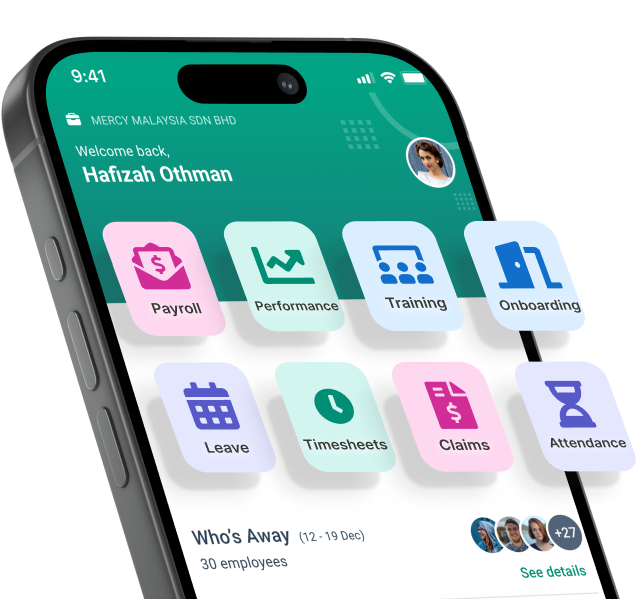
From payroll to onboarding, brioHR gives you everything you need in one place. Built for busy teams. Backed by people who care.
Conclusion
- A candidate declining after signing can be frustrating, but it is a common hiring reality that HR teams should be prepared for.
- While there may be legal grounds, pursuing action is rarely practical or beneficial for the business.
- Your time is better spent securing alternative candidates and keeping the hiring process moving.
- Use situations like this to refine your recruitment strategy and improve candidate commitment.
- A strong, structured hiring process helps you stay resilient and focused on building the right team.
To learn more about how brioHR can transform your HR processes, check out BrioHR’s website or request a demo.