Best Pulse Survey Software for Employee Feedback (2026)
Key Takeaways
- brioHR, best for all-in-one HR plus pulse surveys in Malaysia and Singapore: runs real-time pulse surveys inside a full HRMS, so feedback connects directly to payroll, performance, and reporting.
- OmniHR, best for fast-growing multi-country Asia teams: pairs native regional payroll with built-in engagement surveys, eNPS, and stay interviews.
- Employment Hero, best for broad HR ecosystems: offers a recurring Happiness Score and eNPS across a large platform popular in Australia and Southeast Asia.
- Darwinbox, best for large enterprises in Asia: brings predictive analytics and mature talent tools, with pricing aimed at bigger organizations.
- Workday HCM, best for global enterprises: suits companies with 10,000 or more employees and dedicated HR technology teams.
Your annual engagement survey lands once a year, and by the time the results come back, half the issues have already changed. That’s the gap pulse survey software closes. The best pulse survey tools let you run short, frequent check-ins, read sentiment as it shifts, and act before good people quietly head for the door. For HR teams in Malaysia and Singapore, brioHR’s all-in-one platform is the strongest pick, though the right choice depends on your size and region. Below we compare five tools on features, pricing, and real user reviews so you can decide quickly.
Pulse Survey Software Comparison: Best Options in 2026
Here’s how the five tools in this guide stack up at a glance, from lean SME platforms to global enterprise suites.
| Tool | Best For | Standout Feature | Starting Price |
|---|---|---|---|
| brioHR | All-in-one HR plus pulse surveys in Malaysia and Singapore | Real-time pulse surveys built into a full HRMS | From RM3 per employee per month |
| OmniHR | Fast-growing multi-country teams across Asia | Native regional payroll with engagement surveys and eNPS | From $3 per employee per month |
| Employment Hero | Broad HR ecosystems in Australia and Southeast Asia | Happiness Score with recurring eNPS tracking | From USD $10 per employee per month. Minimum monthly fee: USD $100 |
| Darwinbox | Large enterprises operating across Asia | Predictive people analytics and deep talent tools | From $15 to $30 per employee per month |
| Workday HCM | Global enterprises with 10,000+ employees | Enterprise-grade workforce planning and analytics | Custom, typically premium |
Most teams searching for a pulse survey tool don’t actually want another standalone app to manage. They want feedback that links to the rest of their HR data. That’s where brioHR pulls ahead for Malaysian and Singaporean SMEs, combining surveys, performance management, payroll, and analytics in one place, rather than leaving engagement stranded from the rest of your HRMS tools.
"Performance management in most companies, again, more than 99% of companies, is backward-looking... it's all about reconstructing the past. The right way to look at performance management being forward-looking."
brioHR: Best for All-in-One HR and Pulse Surveys in Malaysia and Singapore
brioHR is an all-in-one HRMS built for SMEs and midmarket companies in Malaysia, Singapore, and the wider region, trusted by more than 1,000 organizations across 50 countries. It covers the full employee lifecycle, from hiring and onboarding to payroll, leave, claims, attendance, performance, and engagement. Its standout difference for this list: brioHR’s employee pulse survey tool lives inside that same platform, so listening to your people isn’t a bolt-on, it’s part of how you run HR.

Key Features
brioHR’s engagement features are designed so HR can launch a survey in minutes, read results without exporting anything, and connect what they learn to performance and reporting. Three features stand out for teams that care about real-time feedback.
Pulse Surveys for Real-Time Feedback

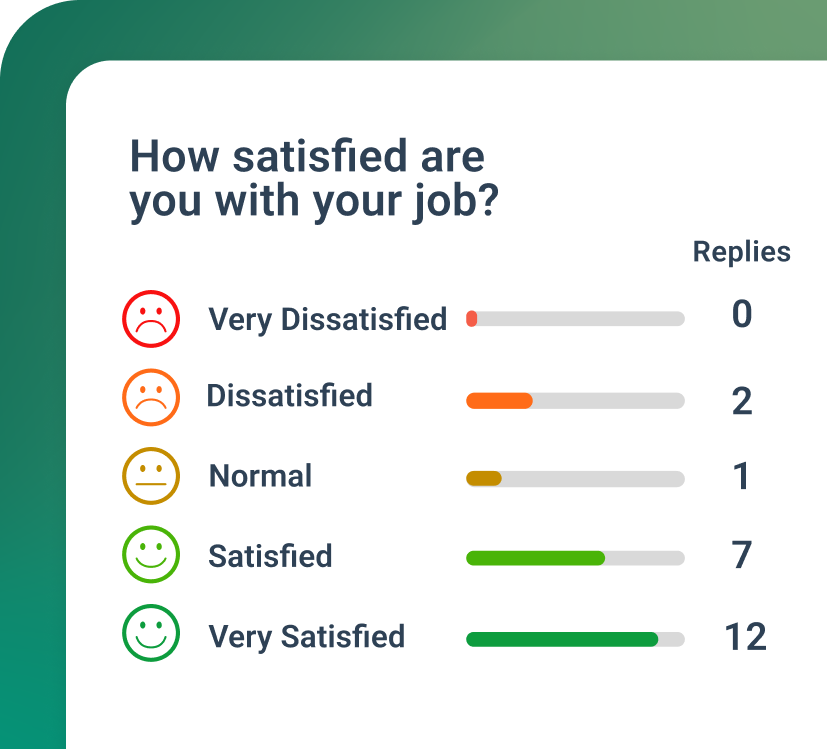
brioHR lets you launch a pulse survey from a ready-made template or build your own questions, then set the frequency and anonymity that fit your culture. Surveys go out on mobile and desktop with no training required, so adoption stays high even with frontline or non-desk staff. Results flow into a live dashboard that organizes responses automatically, and managers get visibility into their own teams without waiting on HR to compile a spreadsheet. In brioHR’s own analysis, that automated approach delivers sentiment analysis up to 4x faster than manual spreadsheet tracking. If you’re still shaping your program, brioHR’s guides on why pulse surveys matter and the pulse survey questions to ask are useful starting points.
Performance Management Connected to Engagement
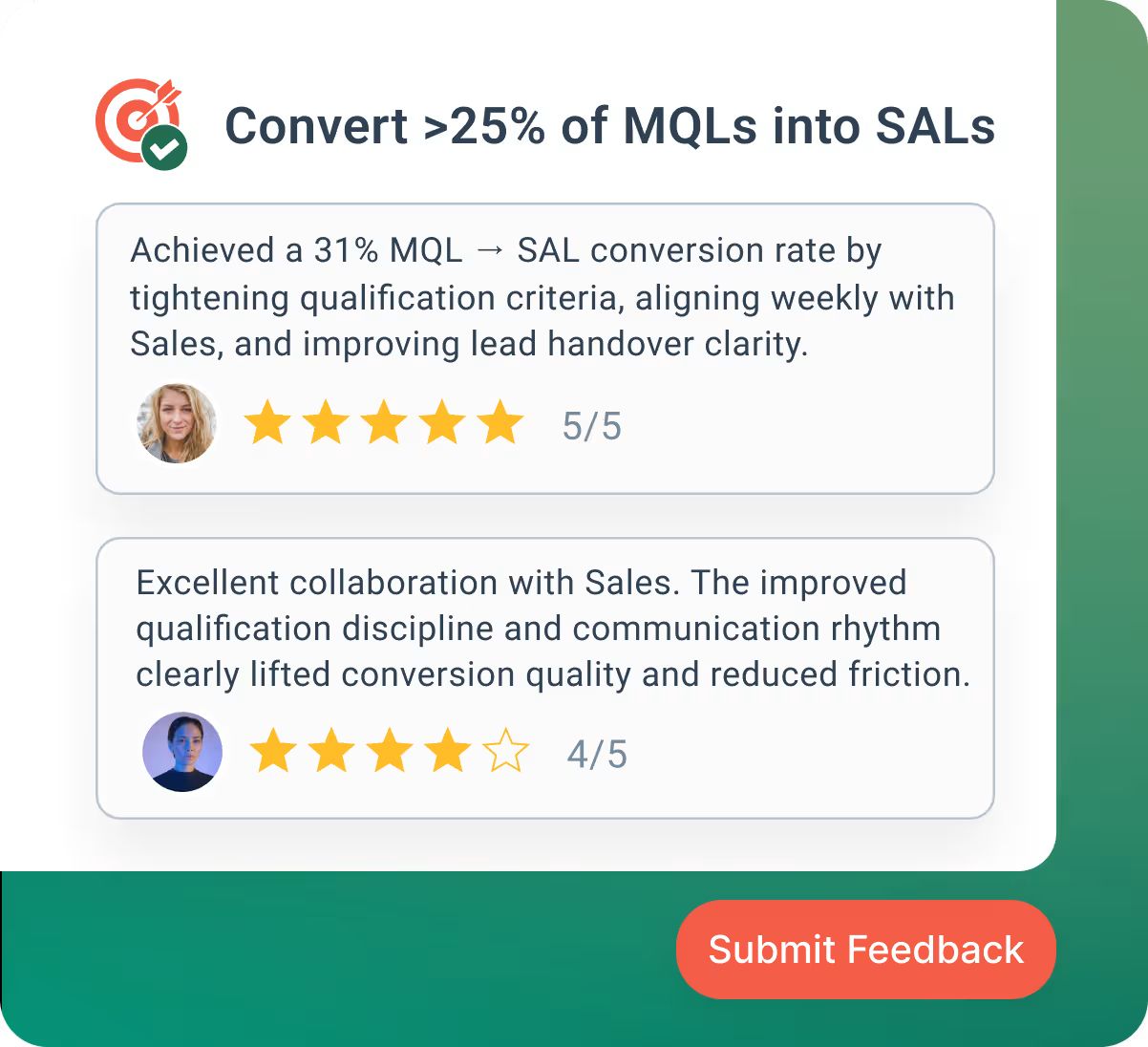
Feedback only matters if it changes something, and brioHR closes that loop by linking surveys to its performance management module. Goals and KPIs, 360-degree reviews, self and peer assessments, and continuous feedback all sit alongside engagement data, so a dip in a team’s pulse score can be read next to that team’s performance and development plans. That context helps managers respond with real coaching instead of guesswork. Teams that want to go deeper on multi-rater feedback can pair pulse surveys with brioHR’s roundup of 360-degree feedback tools. The result is a single view of how people feel and how they’re performing, rather than two disconnected systems that never quite agree.
HR Reporting and People Analytics
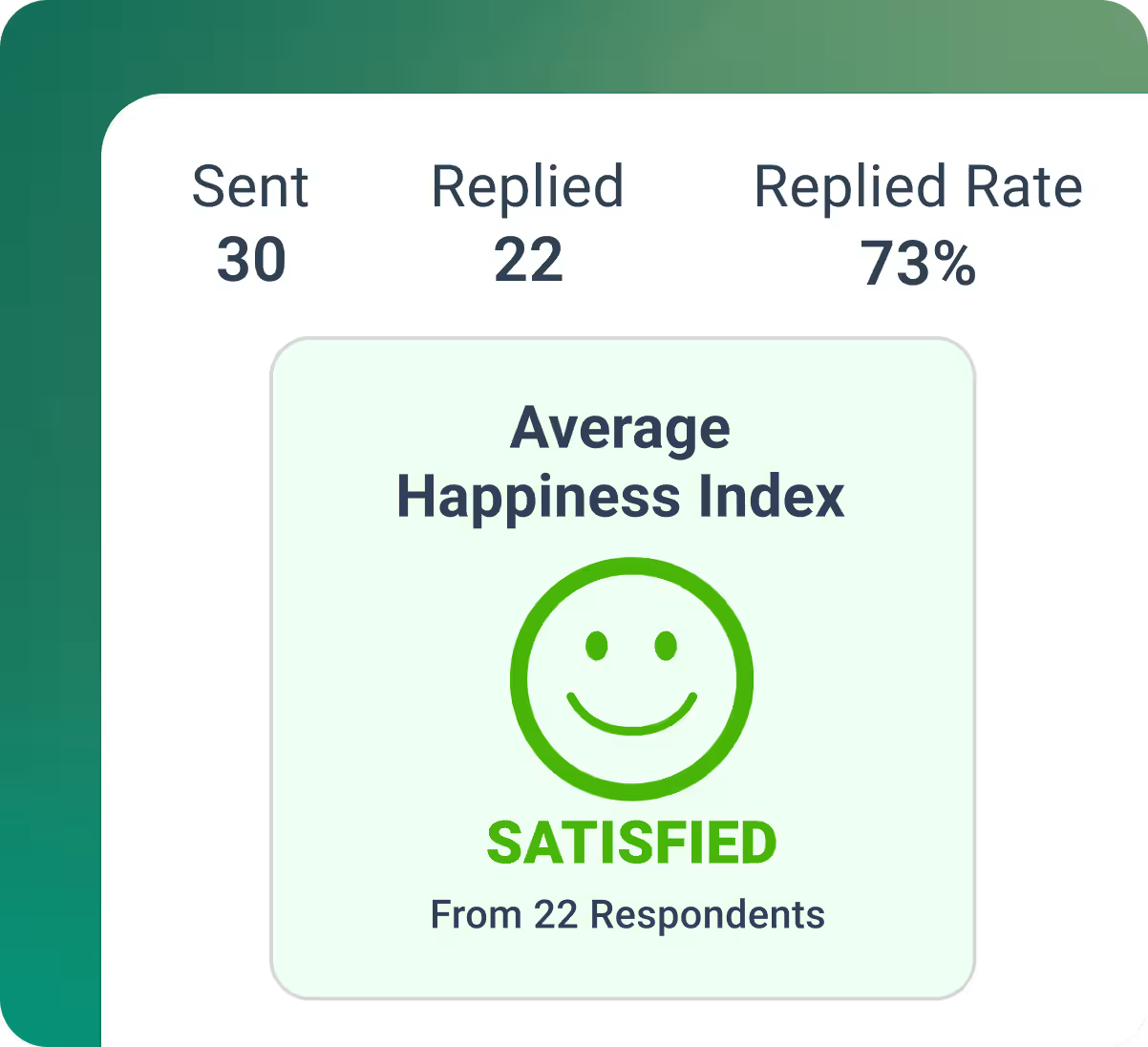
brioHR’s HR reporting and analytics turns survey responses and the rest of your people data into decisions. A custom report builder lets you slice headcount, attrition, and engagement trends, and you can schedule reports to land in the right inboxes on a set cadence. Because pulse data, payroll, and performance live in one system, leaders can connect sentiment to outcomes like turnover instead of viewing engagement in isolation. For a deeper look at what strong analytics should include, brioHR’s guide on what to look for in people analytics software is worth a read. This is also where running an employee wellbeing pulse survey pays off, since wellbeing trends become measurable over time.
brioHR Pricing
brioHR uses modular, per-employee pricing, so you pay for the functions you actually need and add more as you grow. Pulse surveys sit within the engagement and performance modules, and a tailored quote covers your exact headcount and module mix. Singapore SMEs can also offset the cost, since brioHR is PSG-grant eligible, and a free trial lets you test it before committing. You can review current pricing plans or request a quote for a precise figure.
| Plan | Starting Price | What You Get |
|---|---|---|
| Modular plans | From RM3 per employee per month | Pick the modules you need, including engagement, performance, payroll, and more |
| Custom quote | Tailored to headcount | Pricing scales with company size and the modules selected |
| Free trial and demo | Free | Test the platform first, with PSG-grant eligibility for qualifying Singapore SMEs |
Where brioHR Shines
- One platform for all of HR: pulse surveys, payroll, performance, leave, and claims live together, so you stop stitching point tools together and exporting data between them. brioHR is also the only tool here with a built-in payroll outsourcing service if you’d rather offload the work entirely.
- Built for Malaysian and Singaporean compliance: native handling of EPF, SOCSO, EIS, LHDN, CPF, and SDL, plus HRDF and SBL-Khas tracking that the global suites here skip, with statutory updates applied for you rather than configured by hand.
- Fast to roll out, with human support: implementation runs around two months versus 12 to 24 for enterprise suites, backed by under-three-minute support response times, a 96% positive feedback rate, and a clean interface that scales from 30 to 3,000 employees without retraining everyone.
Where brioHR Falls Short
- Built for teams, not solo operators: the value compounds for growing companies, so a one-person business or a team under five people won’t tap most of what brioHR offers.
- Not an enterprise talent suite: brioHR deliberately skips heavy learning management, succession planning, and predictive AI, so very large enterprises that need those will be better served by Darwinbox or Workday.
brioHR Customer Reviews

Who brioHR Is Best For
- Growing SMEs replacing spreadsheets and scattered tools: teams that want surveys, payroll, and performance in one system instead of five.
- Mid-sized companies in Malaysia and Singapore: organizations that need compliance, engagement, and reporting handled together and handled locally.
- Regional teams wanting one unified platform: Southeast Asian businesses standardizing HR across offices without losing local statutory accuracy.
OmniHR: Best for Fast-Growing Multi-Country Asia Teams
OmniHR is an all-in-one HRMS built for the Asia-Pacific region, with native payroll for Singapore, Malaysia, Hong Kong, and the Philippines, plus managed payroll across 20 or more countries. Its engagement toolkit makes it a credible pulse survey option for scaling teams.

Key Features
Engagement Surveys and eNPS
OmniHR includes employee engagement surveys and eNPS, along with pulse surveys and stay interviews aimed at retention. Results feed into real-time analytics, so HR can spot sentiment shifts early and respond before they turn into resignations.
Performance and OKRs
The platform pairs feedback with OKRs and 360-degree performance reviews, giving managers a connected view of how teams feel and how they’re tracking against goals, all within one regional system.
Pricing
| Plan | Starting Price | What You Get |
|---|---|---|
| Core platform | From $3 per employee per month | Core HR with engagement features available |
| Add-on modules | From $1 per module | Layer on extras as your needs grow |
Where OmniHR Shines
- Regional payroll plus engagement in one: native APAC payroll alongside surveys, OKRs, and 360 reviews suits teams scaling across borders.
- Transparent, low entry pricing: clear per-employee and per-module costs make budgeting straightforward for fast-growing companies.
Where OmniHR Falls Short
- Engagement tooling is lighter than dedicated platforms: the survey suite covers the essentials but goes less deep than specialist culture tools.
- Built for scale-ups more than complex enterprises: it fits the 30-to-200 employee range better than large, multi-entity organizations.
Customer Reviews
Who OmniHR Is Best For
- Fast-growing companies with 30 to 200 employees: scale-ups that need regional payroll and solid engagement features without enterprise complexity or cost.
- Cross-border teams in Asia: businesses hiring across several countries that want payroll and pulse surveys under one roof.
Employment Hero: Best for Broad HR Ecosystems
Employment Hero is a large all-in-one HR and payroll platform serving more than 300,000 customers, with an AI-driven employment operating system. It’s especially popular across Australia, New Zealand, Malaysia, and Southeast Asia for teams that want a wide ecosystem in one place.

Key Features
Happiness Score and eNPS
Its Happiness Score is an anonymous, recurring rating from 1 to 10 that you can run weekly, fortnightly, or monthly, color-coded into detractors, passives, and promoters. Combined with eNPS tracking, it gives leaders a steady read on morale over time.
Custom Surveys and Recognition
Employment Hero adds custom surveys, 360-degree feedback, 1:1 meeting tools with AI prompts, and a Hero Points recognition system. Push notifications to its mobile app help reach frontline staff who don’t sit at a desk.
Pricing
| Plan | Starting Price | What You Get |
|---|---|---|
| Paid tiers | From USD $10 per employee per month. Minimum monthly fee: USD $100 | Scales by plan |
Where Employment Hero Shines
- A very broad HR ecosystem: payroll, HR, engagement, and recognition under one roof appeals to teams consolidating tools.
- Strong self-service and reach: a capable employee app and self-service portal help engage distributed and frontline workforces.
Where Employment Hero Falls Short
- Engagement tools lean admin, not manager action: the surveys report well but offer limited guided action planning, so follow-through depends on you.
- Deeper features sit behind higher tiers: full survey customization and performance reviews are locked to premium plans, and some users find lower-tier options rigid.
Customer Reviews

Who Employment Hero Is Best For
- SMEs wanting one broad HR ecosystem: Australian, New Zealand, Malaysian, and Southeast Asian teams that value breadth and a strong employee app over deep, dedicated survey tooling.
- Frontline and distributed workforces: companies with deskless staff who benefit from mobile push notifications and self-service, and who are still choosing their HR software.
Listen to what your team is really thinking
Regular pulse surveys reveal what engagement surveys miss. Act on feedback before issues grow.
Darwinbox: Best for Large Enterprises in Asia
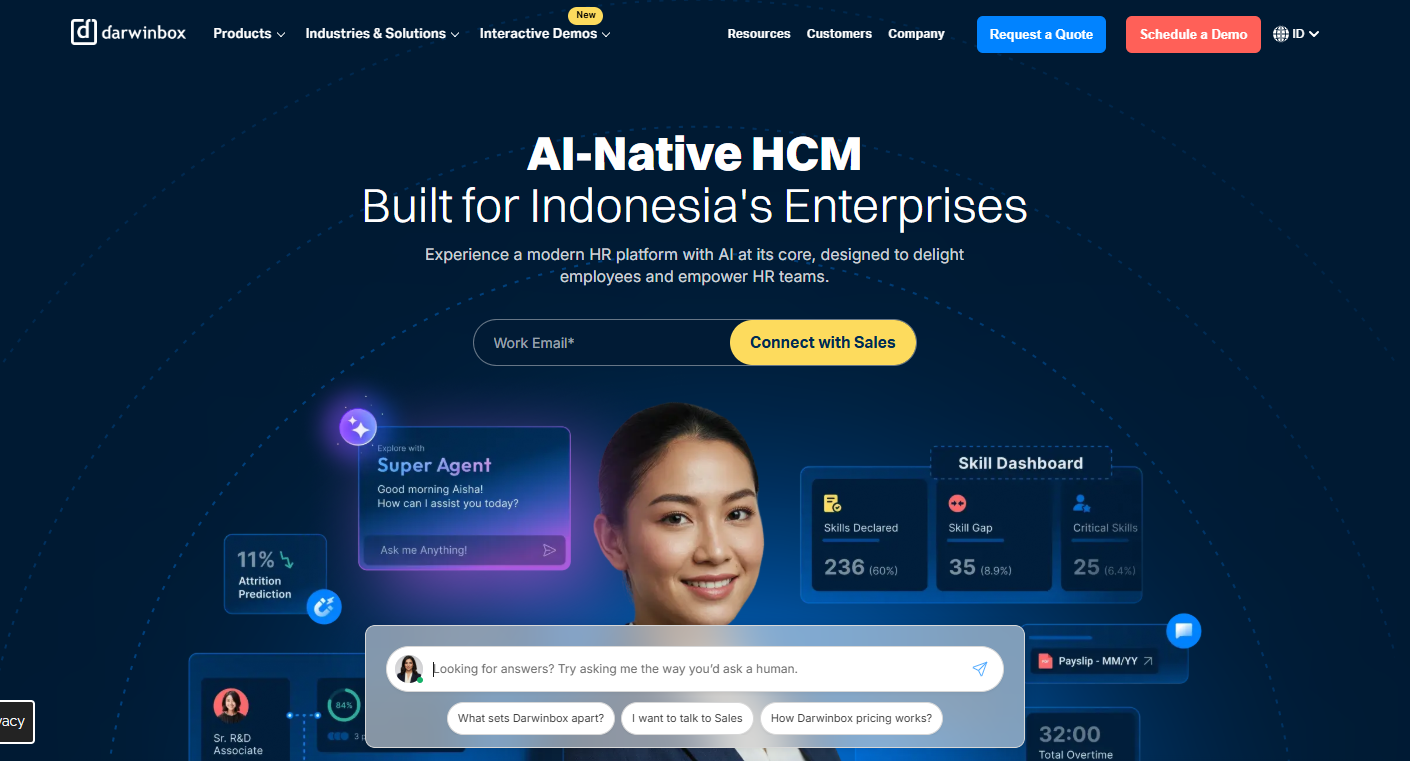
Darwinbox is an enterprise HR platform built for larger Asian organizations, with native Malaysian and Singaporean payroll, multi-entity and multi-currency support, and employer-of-record capabilities. It pairs that scale with strong analytics and mature talent management.
Key Features
Predictive People Analytics
Darwinbox leans on AI and predictive analytics to surface attrition risk and engagement trends across complex, multi-country workforces, which is where it earns its place for enterprises running pulse programs at scale.
Mature Talent and Learning Tools
Beyond surveys, it offers OKRs, KPI tracking, reviews, succession planning, training, e-learning, and a skills matrix, making it a fit for organizations that treat engagement as one part of a wider talent strategy.
Pricing
| Plan | Starting Price | What You Get |
|---|---|---|
| Enterprise | From $15 to $30 per employee per month | Custom enterprise pricing based on scale and modules |
Where Darwinbox Shines
- Powerful analytics at enterprise scale: predictive insights and multi-entity support handle large, regional workforces well.
- Deep talent management: succession, learning, and skills tools sit alongside engagement for a complete enterprise suite.
Where Darwinbox Falls Short
- Priced beyond most Malaysian SMEs: the per-employee cost and enterprise focus put it out of reach for smaller teams.
- Heavy for smaller headcounts: implementation can run three to six months, and partial local compliance coverage means some statutory items need workarounds.
Customer Reviews
Who Darwinbox Is Best For
- Large and regional enterprises: organizations that need predictive analytics, multi-entity payroll, and deep talent management in one enterprise platform.
- Talent-led organizations: companies that treat engagement as part of a broader succession, learning, and development strategy rather than a standalone survey.
Workday HCM: Best for Global Enterprises
Workday HCM is a full enterprise human capital management suite used by Fortune 500 companies worldwide. It covers HR, payroll, recruiting, onboarding, performance, learning, analytics, and workforce planning end to end, with global payroll and employer-of-record reach.

Key Features
Enterprise Workforce Analytics
Workday’s analytics and workforce planning are built for global scale, letting large organizations model headcount, engagement, and talent trends across many entities, currencies, and languages from a single system.
End-to-End Talent Management
Performance tools include OKRs, 360 reviews, succession, calibration, performance improvement plans, and career pathing, so engagement feedback connects to a complete enterprise talent process.
Pricing
| Plan | Starting Price | What You Get |
|---|---|---|
| Enterprise | Custom, typically premium | Often around $35 per employee per month to start, with entry points commonly six figures annually |
Where Workday Shines
- Built for global enterprise complexity: multi-entity, multi-currency operations and deep analytics suit very large workforces.
- Complete talent ecosystem: engagement sits within a full suite covering the entire employee lifecycle at scale.
Where Workday Falls Short
- Expensive and slow to roll out: premium pricing and 12-to-24-month implementations make it overkill for most Malaysian and Singaporean SMEs.
- Local payroll is configured, not native: Malaysian and Singaporean statutory items are handled through configuration, and there’s no dedicated local SME support model.
Customer Reviews
Who Workday HCM Is Best For
- Global enterprises with 10,000 or more employees: organizations with dedicated HRIS and IT teams that need enterprise-grade HCM across many countries.
- Highly regulated, multinational operations: businesses that need deep configurability and global standardization, and can absorb a longer, costlier rollout to get it.
How to Choose the Best Pulse Survey Software
The right tool depends on how you plan to listen, who needs to act on the data, and how the results connect to the rest of your HR. Here are the factors that matter most.
Survey Frequency and Automation
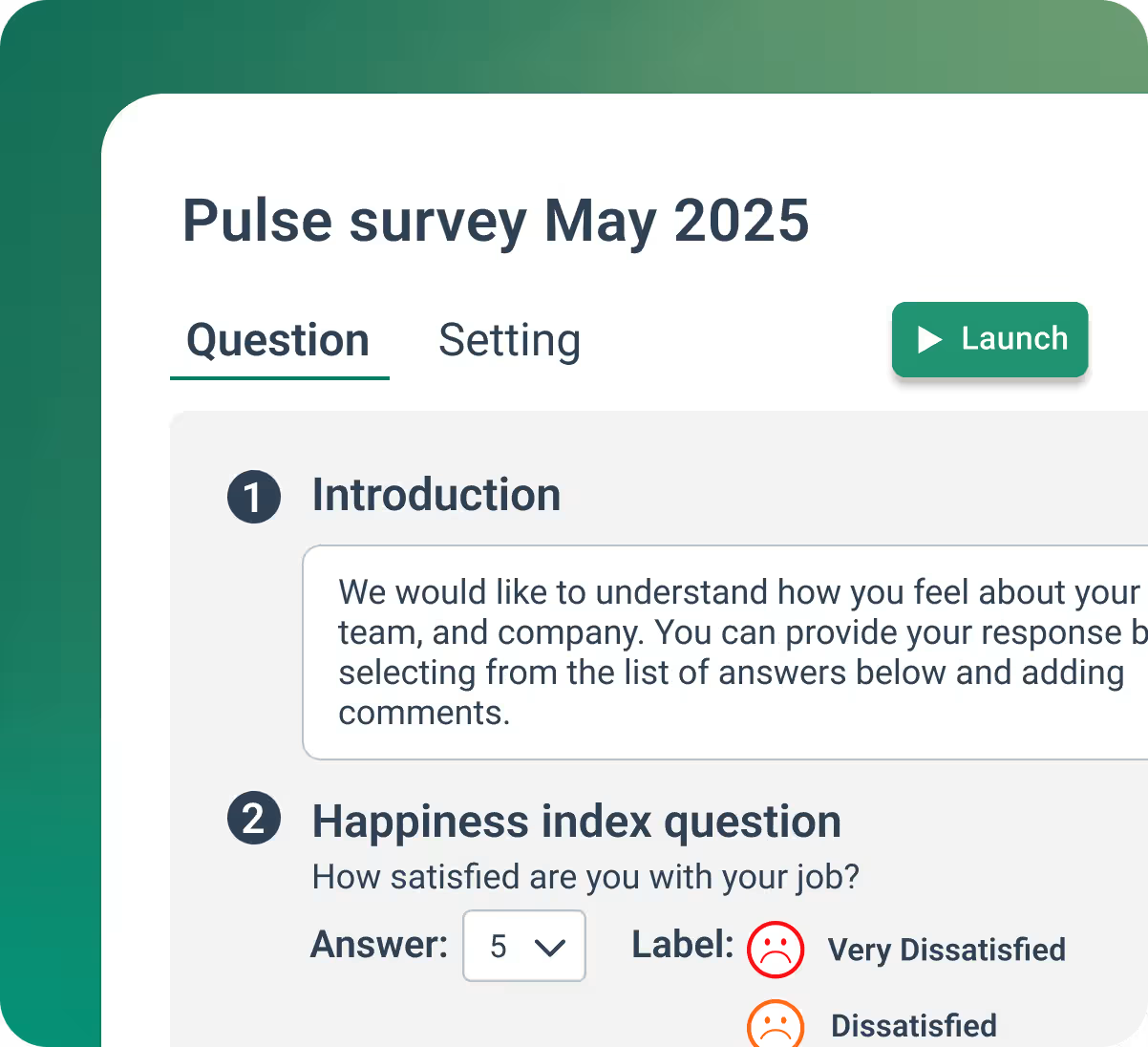
Pulse surveys work because they’re short and regular, so look for software that lets you schedule recurring surveys and automate reminders without manual effort. Annual-only surveys miss the moments that drive turnover, while a steady cadence catches issues while you can still fix them. The easier it is to set frequency and let the system handle the rest, the more consistent your listening becomes. brioHR does this well by letting HR set frequency and anonymity once, then launching to mobile and desktop in minutes so response rates stay high. If you’re mapping out a program, brioHR’s best practices for running pulse surveys is a practical guide.
Anonymity and Response Rates
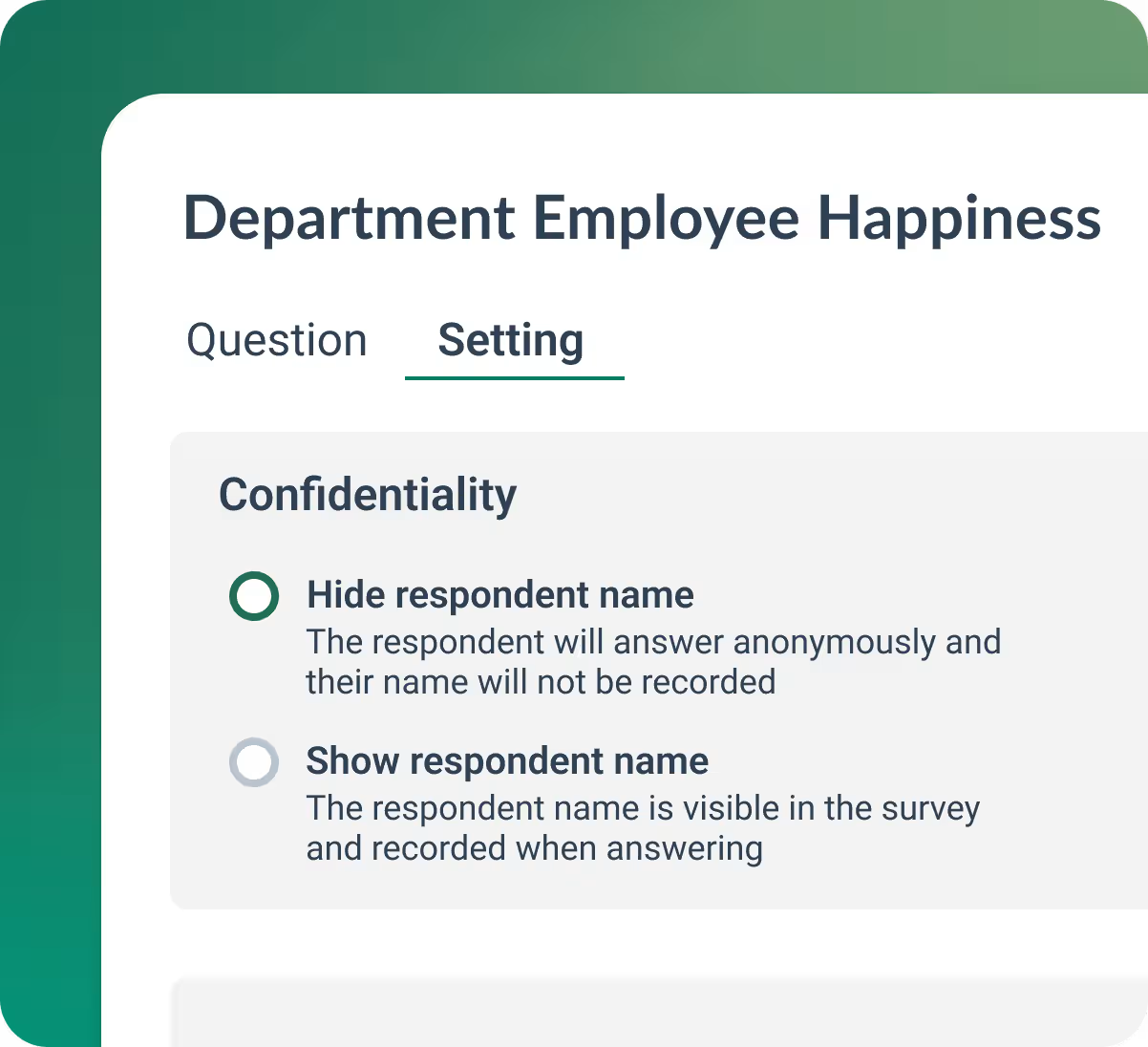
Honest feedback depends on trust, so your tool should make anonymity clear and easy to configure. Employees who believe responses are confidential are far more likely to answer truthfully, which is what makes the data worth acting on. There’s a line to respect here too, since listening should never tip into surveillance, a tension brioHR explores in its piece on whether you can monitor your employees. Equally important is reach: a tool that works cleanly on mobile will capture frontline and deskless staff that desktop-only systems miss. brioHR supports configurable anonymity and a no-training mobile experience, and you can review its approach to data security if confidentiality is a priority for your team.
Analytics and Action Planning
Collecting responses is the easy part; the value is in what you do next. Strong pulse survey software organizes results automatically, surfaces trends, and gives managers visibility into their own teams so action doesn’t bottleneck with HR. That manager layer matters more than it looks, since Gallup’s research attributes around 70% of the variance in team engagement to the manager, which is why one widely cited analysis puts so much weight on equipping them. The best setups also connect sentiment to outcomes like performance and turnover, rather than leaving engagement as a number with no context. brioHR’s live dashboards and HR reporting and analytics do exactly that, tying feedback to the rest of your people data. For more on what to prioritize, see brioHR’s overviews of the key features to look for in HR software and the core HRIS features worth having.

How We Selected These Pulse Survey Software
We chose these five tools by weighing the things HR teams in Malaysia, Singapore, and the wider region actually care about when running a pulse program. We looked at the depth and ease of the survey experience, including templates, anonymity controls, frequency settings, and mobile access, since a tool nobody answers is worthless. We assessed how well each platform turns responses into action through analytics, dashboards, and manager-level visibility. We considered how engagement connects to the rest of HR, because feedback is most useful next to performance, payroll, and retention data. We factored in regional fit and compliance, pricing transparency, and the realities of company size, from lean SMEs to global enterprises. Finally, we weighed verified user reviews from G2 and Capterra to balance vendor claims with real experiences. For related comparisons, see our guides to the best employee engagement software and the top HR reporting software. The goal was an honest shortlist where the best fit depends on who you are, not a single winner for everyone.
Everything HR.
One login
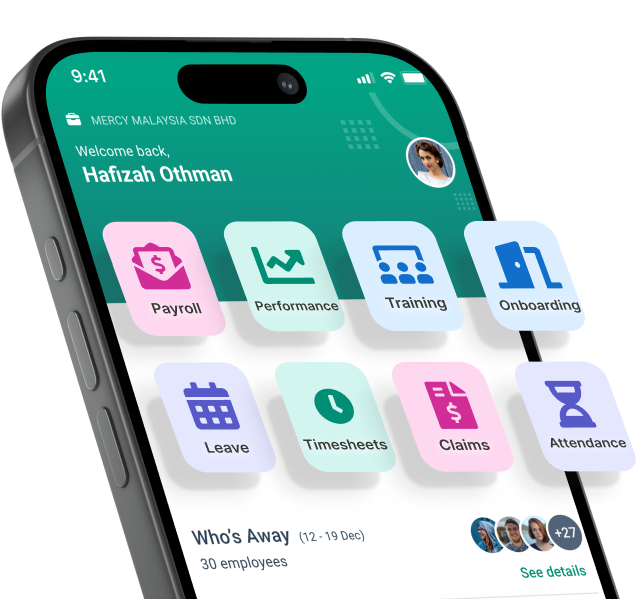
From payroll to onboarding, brioHR gives you everything you need in one place. Built for busy teams. Backed by people who care.
Turn Your HR Data Into Strategic Decisions With brioHR
If you want pulse surveys that don’t just sit in a separate app, brioHR is built for you. Feedback connects directly to performance, payroll, and reporting, so listening to your people becomes a driver of real decisions instead of another report nobody opens. Growing teams in Malaysia and Singapore get local compliance, fast human support, and a platform that scales as they do. Larger global enterprises may lean toward Workday or Darwinbox, but for most SMEs and midmarket companies in the region, brioHR is the most practical way to move HR from admin to impact. The next step is simple: see it on your own data. You can request a demo or explore brioHR’s payroll outsourcing services to offload the heavy lifting.
Conclusion
- brioHR is the strongest pick for SMEs and midmarket teams in Malaysia and Singapore that want pulse surveys connected to payroll, performance, and reporting in one place.
- OmniHR suits fast-growing Asia-Pacific teams that need regional payroll alongside engagement features without enterprise complexity.
- Employment Hero fits broad HR ecosystems in Australia and Southeast Asia, with a solid employee app and recurring Happiness Score tracking.
- Darwinbox and Workday HCM serve large enterprises that need predictive analytics, deep talent management, and global scale, at a higher price and implementation cost.
Ready to turn feedback into action? Request your brioHR demo