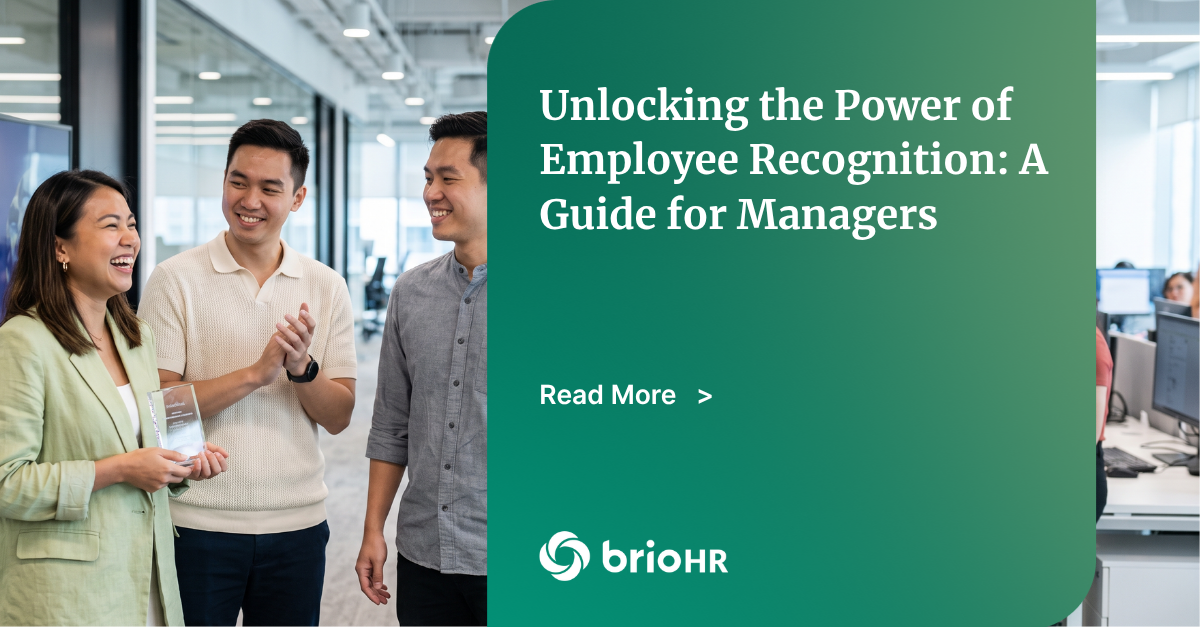
Unlocking the Power of Employee Recognition: A Guide for Managers
Key Takeaways
- Drives Talent Retention: Meaningful employee recognition serves as a vital tool for keeping top talent engaged and loyal in a competitive global market.
- Generic Praise Fails: True appreciation must be specific and sincere because vague or empty gestures often feel transactional and diminish employee trust.
- Timing is Everything: Delivering recognition immediately after an achievement maximizes its emotional impact rather than waiting for annual company reviews.
- Look Beyond Cash: Creative non-monetary rewards like flexible hours, customized swag, or public spotlights often leave a more memorable, lasting impression.
- Embed in the Culture: Consistency across all organizational levels ensures that every employee feels equally valued and inspired to support their peers.
In today's global marketplace, where skilled employees are in high demand, retaining top talent has become a top priority for organisations worldwide. Countless articles and studies emphasise the importance of employee engagement, and one key aspect that consistently emerges as a driver of engagement is recognition. But what does effective employee recognition really entail, and how can managers harness its power to cultivate a thriving workplace culture?
The Heart of Recognition
As we delve into the specifics of effective employee recognition, it's essential to understand what distinguishes genuine appreciation from token gestures. Good recognition possesses several key characteristics that resonate deeply with employees and contribute to a positive workplace culture. By embodying these traits, recognition becomes more than just a formality—it becomes a powerful tool for fostering engagement, motivation, and loyalty among team members. Let's explore the key characteristics that define meaningful recognition and learn how to incorporate them into our daily interactions with our colleagues.
- Specific: Instead of a generic "good job," acknowledge the specific actions or behaviours that led to success, such as "Your attention to detail in the project report ensured its accuracy and professionalism."
- Timely: Recognition is most impactful when it's delivered close to the achievement. Don’t wait until the annual dinner to present an award.
- Sincere: When expressing appreciation, convey genuine gratitude and authenticity, ensuring that your words resonate with sincerity. Insincere praise can be worse than no recognition at all.
- Aligned with Values: Link recognition to the organisation's core values and goals, reinforcing behaviours that reflect and support the company's mission and culture.
- Varied: Utilise diverse methods of recognition, including public acknowledgment, personal notes, personalised rewards or symbolic awards, to cater to different preferences and occasions.
- Personalised: Tailor recognition to each individual's preferences and personality, acknowledging their unique contributions and strengths in a way that resonates with them. Some might appreciate public praise, while others prefer something more personal.
- Consistent: Apply recognition consistently across the organisation, ensuring that all levels of employees feel valued and appreciated for their efforts and achievements.
- Visible: Make recognition visible to others within the organisation, whether through public announcements, social media posts, or team meetings, inspiring a culture of appreciation and mutual support.
These characteristics ensure that recognition is meaningful, impactful, and fosters a culture of appreciation within the organisation.
"Appreciate everything your associates do for the business. Nothing else can quite substitute for a few well-chosen, well-timed, sincere words of praise. They're absolutely free and worth a fortune."
Thinking Outside the Box
In today's dynamic work environment, traditional methods of employee recognition, such as awards or certificates, may no longer suffice to truly motivate and engage employees. Sure, awards are nice, but how long do they stay shiny before they're just another desk ornament?
Managers need to embrace creativity and innovation when it comes to recognising their team members' contributions. A personalised and meaningful approach to recognition goes beyond the generic to create a lasting impact. Employees want to feel valued and appreciated in ways that resonate with their individual achievements and contributions. By thinking outside the box and implementing creative recognition strategies, managers can cultivate a culture of appreciation that fosters employee motivation, loyalty, and satisfaction. This approach not only enhances employee morale and performance but also strengthens the overall organisational culture, driving success and growth in the long term.
Here are some creative and innovative (non-cash reward) ways to give recognition to employees (it’s up to you to create what suits your team and your organisation):
- Virtual High Fives: Create a virtual platform where team members can send digital high fives or thumbs-ups to recognise their colleagues' contributions or achievements.
- Spotlight Wall: Dedicate a physical or digital "Spotlight Wall" where employees can showcase their achievements, projects, or milestones. This can be in the form of a bulletin board in the office or a section on the company intranet.
- Personalised GIFs or Memes: Create custom GIFs or memes to celebrate specific achievements or milestones. These can be shared in team chats or emails to add a fun and personal touch to recognition efforts.
- Surprise Celebrations: Organise surprise celebrations or mini-parties to recognise individual or team achievements. This could include spontaneous pizza parties, ice cream socials, or themed celebrations tailored to the accomplishment.
- Peer-to-Peer Recognition: Implement a peer-to-peer recognition program where employees can nominate their colleagues for recognition. This encourages a culture of appreciation and allows employees to recognise each other's contributions.
Make performance management effortless
Streamline goals, reviews, and feedback in one flow—so managers can focus on real performance conversations.

- Customised Swag: Design custom merchandise or swag items (e.g., t-shirts, mugs, notebooks) featuring slogans or graphics related to the employee's achievements or contributions.
- Social Media Shout-outs: Recognise employees publicly on social media platforms such as LinkedIn, or the company's official accounts. Share success stories, photos, or testimonials to highlight their accomplishments and contributions. (This works as an employer branding activity too)
- Personal Development Opportunities: Offer personalised professional development opportunities as a form of recognition. This could include funding for courses, workshops, or conferences aligned with the employee's interests or career goals.
- Thank-You Videos: Create short thank-you videos featuring messages from team members, leaders, or even clients expressing gratitude for the employee's hard work and contributions.
- “Caught You Caring” Program: Empower managers or colleagues to catch employees in the act of going above and beyond for customers or colleagues. This could involve a small reward, a public announcement, or a handwritten note from the "catcher."
- Gamification: Develop a points system where employees earn points for completing tasks, achieving goals, or receiving peer nominations. These points can be redeemed for small rewards, extra vacation days, or even charitable donations in the employee's name. Lunch with the CEO can be one of the rewards too.
- Flexible Work Options: Provide flexible work options or additional time off as a form of recognition for exceptional performance or achievements. This allows employees to enjoy a better work-life balance as a reward for their dedication and efforts.
Recognition is an ongoing process, not a one-time event. By incorporating these tips, you can create a culture of appreciation that motivates your employees and drives your business forward - all without breaking the bank. So, let’s get creative and start recognising!
Everything HR.
One login
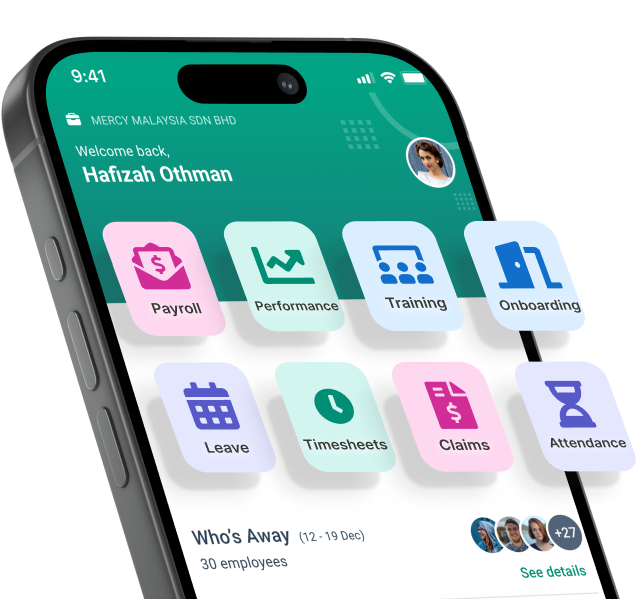
From payroll to onboarding, brioHR gives you everything you need in one place. Built for busy teams. Backed by people who care.
Conclusion
- The Ultimate Retention Strategy: Genuine employee recognition is not a luxury, but a strategic necessity for keeping top talent engaged and committed.
- Authenticity Trumps Formality: Moving away from empty, generic praise and focusing on sincere, specific feedback is what truly connects with employees.
- Creativity Drives Longevity: Swapping out predictable, dusty desk awards for unique, non-cash experiences keeps workplace motivation fresh and exciting.
- An Everlasting Cultural Impact: When peer nomination and daily appreciation are normalized, it strengthens the collective backbone of the entire organization.
- An Ongoing Process: Building a thriving workplace culture requires recognition to be treated as a consistent, everyday practice rather than a one-time annual event.
To learn more about how brioHR can transform your HR processes, check out brioHR’s website or request a demo.