A Starter’s Guide to Employee Remuneration in Malaysia

Key Takeaways
- Employee remuneration in Malaysia includes more than salary, covering allowances, bonuses, commissions, overtime, and non-monetary benefits.
- Salaries are typically paid monthly and must be paid no later than the seventh day of the following month under Malaysian employment law.
- Allowances, bonuses, and commissions form part of gross pay and may vary depending on company policy and employee performance.
- Non-monetary remuneration such as insurance, training, and company-provided assets supports employee wellbeing and productivity.
- Most remuneration components are subject to EPF contributions, while overtime and certain travel-related claims are generally excluded.
When we talk about employee remuneration, there’s much more to it than just monthly salary. In general, remuneration is the payment or compensation that an employee receives in return for their services.
Depending on the type of service, employees may be remunerated via salaries, allowances, commissions, or a combination of them. Employers might also include non-monetary remunerations for the benefit of the employee.
With this, let’s take a look at several types of employee remuneration.
Salary
In Malaysia, salaries are normally paid monthly. According to Malaysian employment law, salaries must be paid no later than the seventh day of the following month.
Most companies typically have pay day on the last day of the month, but some do pay salaries slightly earlier, for example on the 26th to 28th of the month to avoid clashing with holidays and weekends.
Allowances
Allowances are considered additional pay on top of an employee’s regular salary. They add up to the gross pay amount and can either be paid on a recurring or non-recurring basis.
Common types of allowances include travel allowances, meal allowances, childcare allowances, or housing loan subsidies.
Bonuses
A bonus is an optional, non-contractual payment paid to employees based on the individual and/or the company’s performance. In Malaysia, employers generally pay out a ‘13th-month pay’ at the end of the year.
Bonuses may also be paid on an ad hoc basis, for example in the middle of the year during a particularly good year.
“Treat employees like they make a difference and they will.”
Commission
Commissions are paid based on sales targets as part of gross salary. They can vary by month based on sales performance, and commission structures vary widely from company to company.
Employees working in sales are normally paid on a commission basis, but any employee that brings in a sale may be entitled to a commission payment.
Overtime
Overtime payments are made in addition to an employee’s normal hours of work. Generally, overtime pay is not mandated for employees whose pay exceeds RM2,000. Instead, overtime might be stipulated in the employment contract.
Non-Monetary Remuneration
Non-monetary benefits or benefits-in-kind aren’t included in an employee’s salary or wages. Instead, such benefits or perks are provided for the employee’s comfort or to make their job easier.
- Health insurance
- Dental benefits
- Optical benefits
- Professional training and development
- Mobile phone and mobile service
- Company car and driver
- Housing accommodation
- Staff discount on purchases
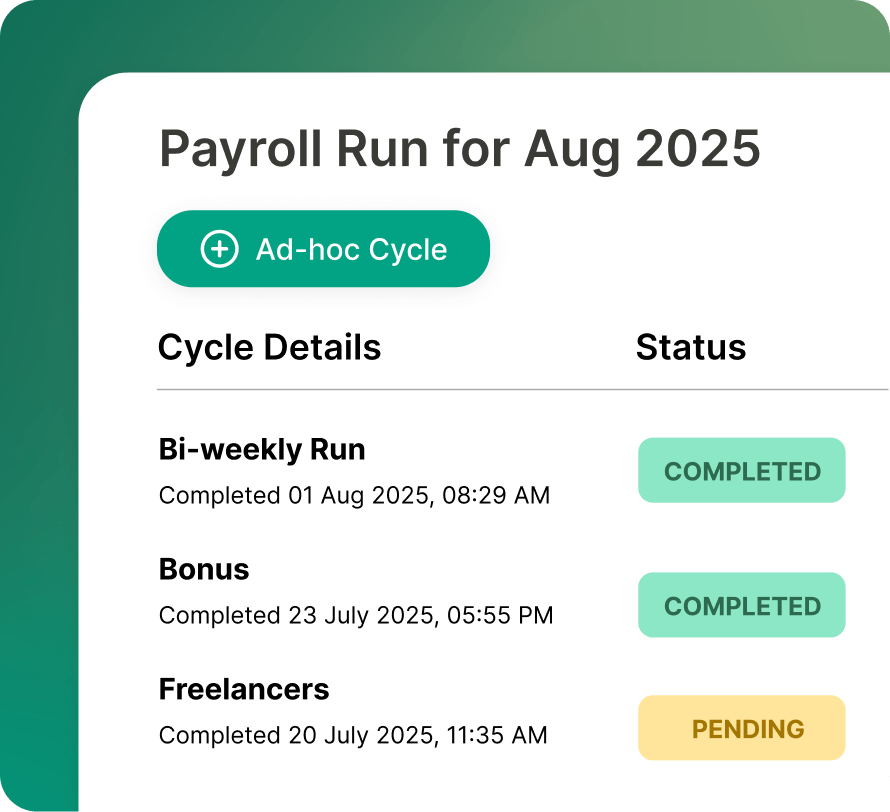
Simplify Payroll and Wage Management
Ensure accurate calculations and compliance with a system built for efficient payroll processing.
Remuneration and EPF Contribution
In general, most types of employee remuneration are subject to EPF contribution, such as:
- Salary
- Allowance
- Commission
- Bonus
- Overtime
- Any traveling allowance or the value of any travel concession*
Remuneration the Easy Way with BrioHR
If you’re looking to automate payroll for your business, BrioHR helps you get started in a fuss-free, user-friendly way. BrioHR’s payroll function can even integrate seamlessly into your existing system.
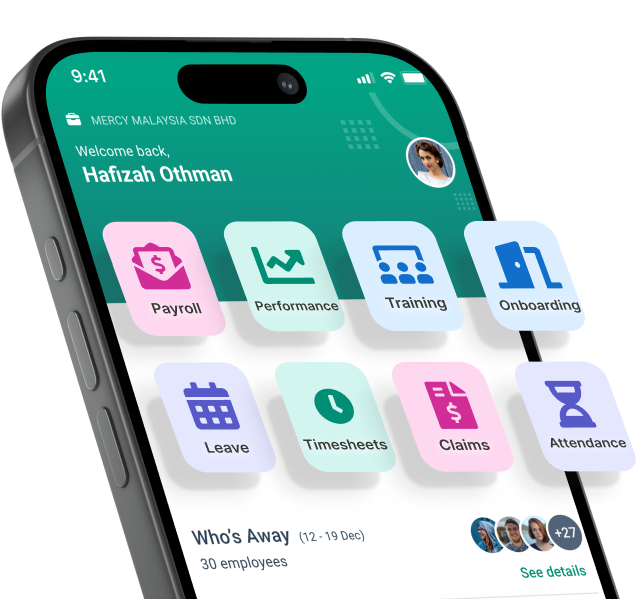
BrioHR’s all-in-one, cloud-based solution with nine powerful modules automates repetitive tasks and empowers HR in a user-friendly interface. This enables business owners and HR teams to truly focus on what matters most – people.
Visit briohr.com and get a free demo now.
Everything HR.
One login
From payroll to onboarding, brioHR gives you everything you need in one place. Built for busy teams. Backed by people who care.
Conclusion
- Employee remuneration in Malaysia goes beyond basic salary and includes multiple monetary and non-monetary components.
- Understanding how salaries, allowances, bonuses, and commissions work helps employers structure competitive and compliant pay packages.
- Employers should also consider benefits in kind to improve employee satisfaction and support overall workforce performance.
- EPF contribution rules must be applied correctly since not all remuneration types are treated the same.
- Using a payroll system like BrioHR helps businesses manage remuneration accurately while staying compliant with Malaysian regulations.
To learn more about how brioHR can transform your HR processes, check out BrioHR’s website or request a demo.