Why People Go Quiet at Work | Vinodh Rajendran

Key Takeaways
- Employees often stop speaking when they believe disagreement will be ignored, punished or taken personally.
- Leaders build trust by addressing difficult issues directly and separating the person from the idea being challenged.
- AI can support work and decision making, but relying on it too heavily can weaken confidence in our own judgment.
In this episode of the with brioHR podcast, Mattie speaks with Vinodh Rajendran, creator and host of TheGoodCastShow, about disagreement, trust and the conversations people avoid at work.
Vinodh has recorded more than 2,300 podcast episodes with politicians, activists, academics, religious figures and guests whose views often differ from his own. Those conversations have taught him how quickly a discussion can become personal, and what it takes to keep listening when it does.
The episode also looks at a newer concern. As AI becomes part of how people write, learn and make decisions, Vinodh has started questioning whether convenience is making us less confident in our own thinking.
The conversation moves between the studio and the workplace, but the question running through it is the same: how do people keep talking when disagreement feels uncomfortable?

Vinodh Rajendran is a Malaysian entrepreneur, public relations practitioner and media host. Before building GoodCast Media, he worked in sales, insurance and education, ran a PR agency, organised comedy shows and launched a ticketing platform.
Through TheGoodCastShow, he has interviewed people from very different backgrounds and belief systems. Vinodh describes himself as an introvert, but he is comfortable asking direct questions and staying in conversations that do not always move towards agreement.
For leaders and HR teams, that experience is useful. Workplaces depend on people being able to question an idea, raise a concern and give honest feedback without damaging the relationship around it.
Disagreement Does Not Have to Damage a Relationship
Vinodh grew up in a family where disagreement was normal. Tea time could turn into an argument about politics, religion or whatever else was happening around them. He, his mother and his uncle could take completely different positions and speak passionately about them.
Then they would have dinner together.
The disagreement did not decide what the relationship would become afterward. That distinction can be difficult to maintain at work, where a challenge to an idea may be heard as a challenge to someone’s competence or authority.
This is especially relevant in workplaces where hierarchy carries a lot of weight. Employees may notice a problem but remain quiet because they do not want to embarrass a manager, appear difficult or risk being remembered as the person who disagreed.
Over time, meetings can become easier but less useful. Decisions move forward without being tested, and leaders may mistake silence for support.
I never attack the individual. I only attack the idea.
Attack the Idea, Not the Person
The distinction matters because difficult conversations often go off course when people start defending themselves instead of discussing the issue.
A manager can question a decision without questioning the employee’s intelligence. A colleague can challenge an assumption without dismissing the person who raised it. HR can address a behaviour without turning the conversation into a judgment of someone’s character.
Vinodh also pays attention to the person in front of him. Some people respond well to a direct challenge. Others need more time, context or a different question before they are ready to engage. Keeping a conversation productive requires more than saying the right words. It also requires noticing how the other person is responding.
Why People Go Quiet at Work
One of the questions in the episode is simple: what does a manager do that makes people stop contributing?
Vinodh links silence to trust and credibility. When leaders repeatedly avoid hard conversations, dismiss concerns or change direction without explaining why, employees learn that speaking up has little value.
His warning is straightforward:
"If you don’t have hard conversations, then you lose a little bit of credibility."
Silence can be easy to miss. Employees still attend meetings, finish assigned work and agree with the decisions being made. The change appears in what they no longer offer: questions, ideas, warnings and honest reactions.
That matters for HR because engagement cannot be understood only through attendance, activities or survey scores. Leaders also need to know whether people believe they can say what they see.
A team without visible disagreement may be aligned. It may also have learned that disagreement is not worth the trouble.
Originality Needs Room for Risk
Companies regularly ask employees to be creative, challenge old practices and bring forward new ideas. Vinodh points out that originality always carries some risk.
"Originality and authenticity come hand in hand with risk. You have to accept that.”
An original idea may be incomplete. It may fail. It may also question a process created by someone more senior. If every unsuccessful attempt is treated as proof that an employee made a bad decision, people will quickly return to the safest available option.
Leaders still need standards and accountability. The useful distinction is between a considered attempt that did not work and a careless decision that ignored known risks.
People pay attention to how leaders respond in both situations. That response tells the rest of the team how much honesty and experimentation the workplace can actually tolerate.
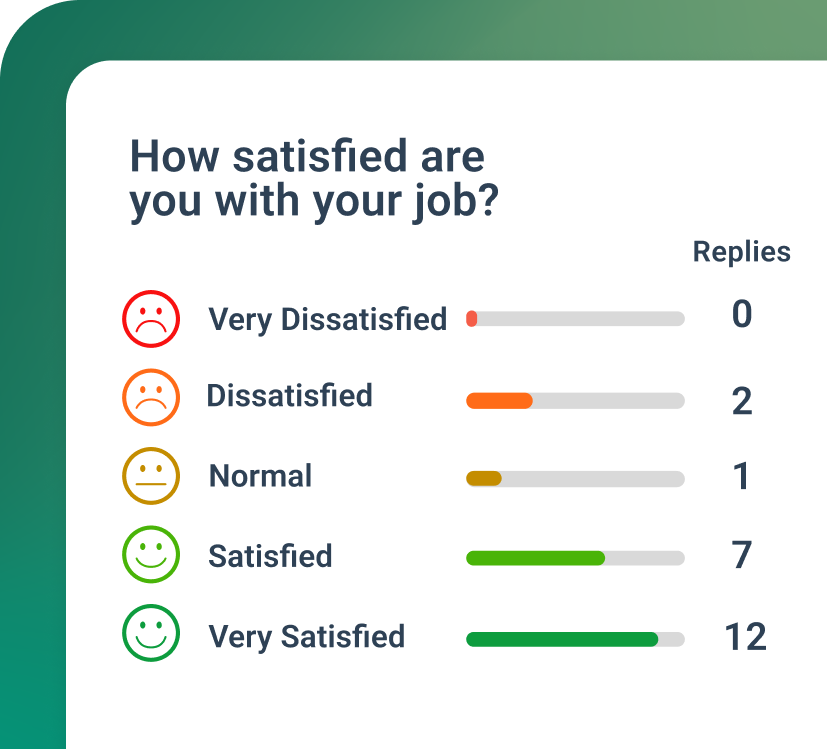
Experience simple pulse surveys
With automated pulses, real-time insights, and anonymous feedback, brioHR helps you understand employees and boost engagement faster.
When AI Starts Dulling Our Judgment
The conversation later turns to AI and the effect it may have on independent thinking. Vinodh uses AI in his own work. When he began relying on it more heavily for writing, however, he noticed that his own writing felt less sharp. The tool was helping him produce material, but the process no longer demanded the same effort from him.
That experience led to a wider concern. Students can use AI to complete assignments. Employees can use it to draft messages, summarise information and suggest decisions. The immediate output may improve while the person gets less practice forming an argument, judging the quality of an answer or finding their own words.
AI can still be useful. It can speed up research, organise information and offer another perspective. The risk appears when its answer becomes the end of the thinking process.
For leaders, this affects more than productivity. Employees also need enough practice to build judgment, confidence and expertise. A person who always receives the answer may struggle when the tool is wrong, the context is incomplete or the situation requires a decision that cannot be outsourced.
What Leaders Can Do Differently
Vinodh does not present a leadership framework in the episode. His experience offers several practical habits that managers and HR teams can use:
1. Address issues before silence becomes normal. A postponed conversation rarely becomes easier with time.
2. Keep criticism focused on the issue. Be specific about the idea, decision or behaviour that needs to change.
3. Pay attention to the response. Directness works differently across people, roles and cultures.
4. Do not ask for originality and then punish every failed attempt. Give people clear boundaries for trying something new.
5. Use AI as part of the thinking process. Ask employees to review, question and improve its output instead of accepting it automatically.
These habits help people understand what can be discussed, how disagreement will be handled and whether it is safe to contribute before an idea is fully formed.
Conclusion
- Vinodh’s experience shows that disagreement does not have to end a relationship. People can challenge one another, stay curious and leave the conversation with mutual respect.
- The same principle applies at work. Teams need leaders who can hear an uncomfortable point without making it personal. Employees need to know that raising a concern will not be used against them. As AI becomes more capable, people also need opportunities to keep practising the judgment and communication skills that technology cannot take responsibility for.
- Trust grows through repeated evidence. One honest conversation will not fix every workplace problem, but avoiding the conversation gives people another reason to remain quiet.
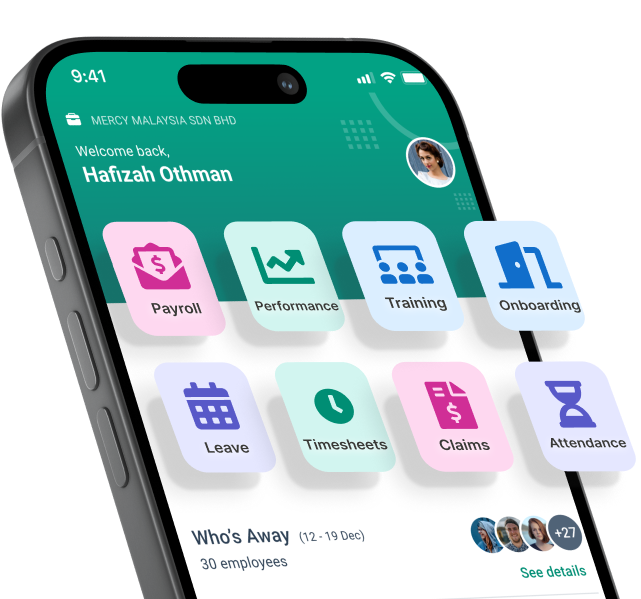
Everything HR.
One login
Cut the extra layers in your HR process. Keep what works, remove what doesn’t, and make everyday work easier for your team.
Watch the Full Vinodh Rajendran Interview on with brioHR
This article covers only part of Mattie’s conversation with Vinodh. The full episode also explores his experience interviewing guests with opposing views, the role of culture and hierarchy in disagreement, the relationship between originality and risk, and how AI may be changing the way younger people learn and think.
Watch the full episode of the with brioHR podcast featuring Vinodh Rajendran for the complete conversation about hard conversations, leadership, trust and independent thinking in the age of AI.
To learn more about how brioHR can transform your HR processes, check out brioHR’s website or request a demo.